MANGO SORBET WITH JAMIE LIU
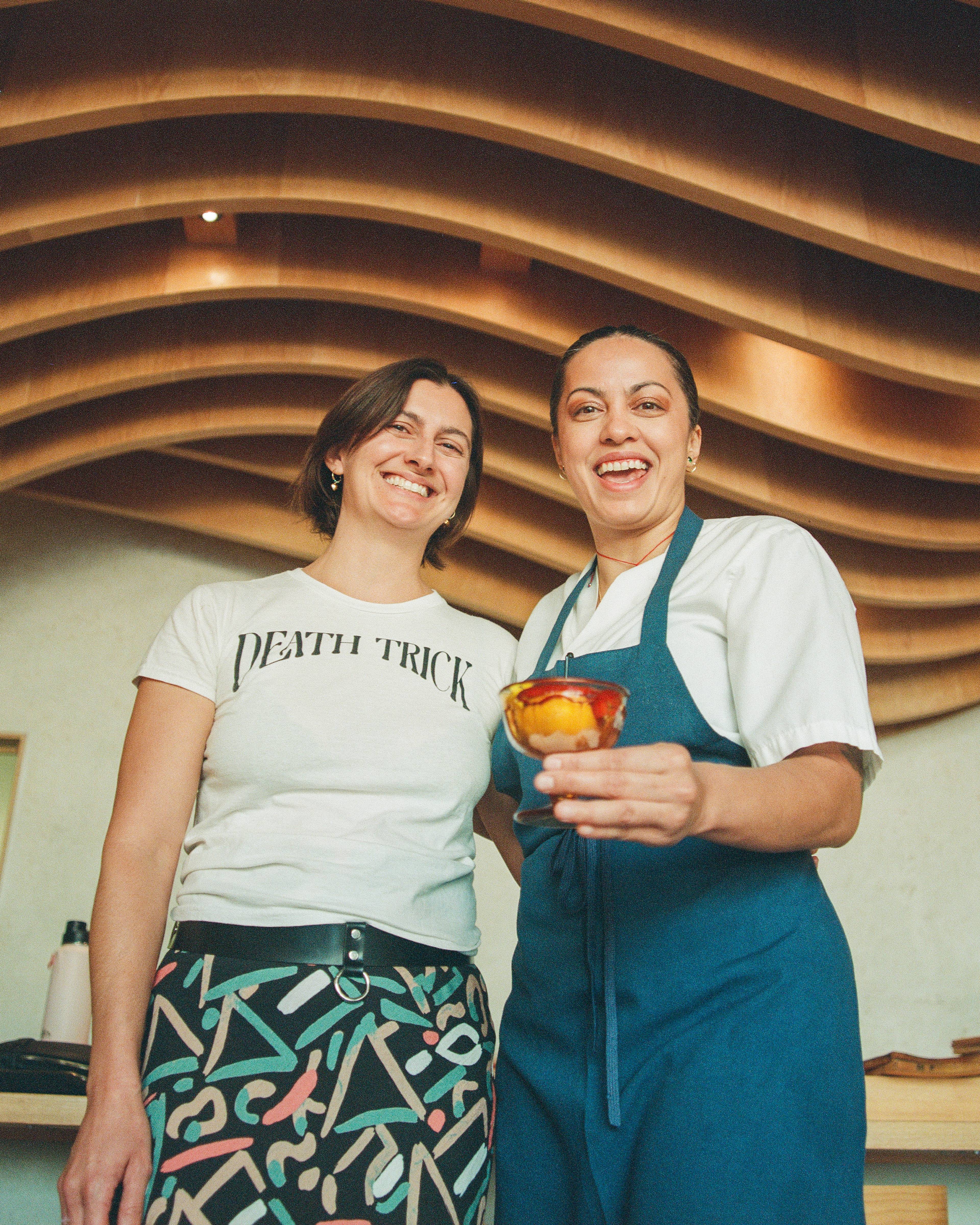

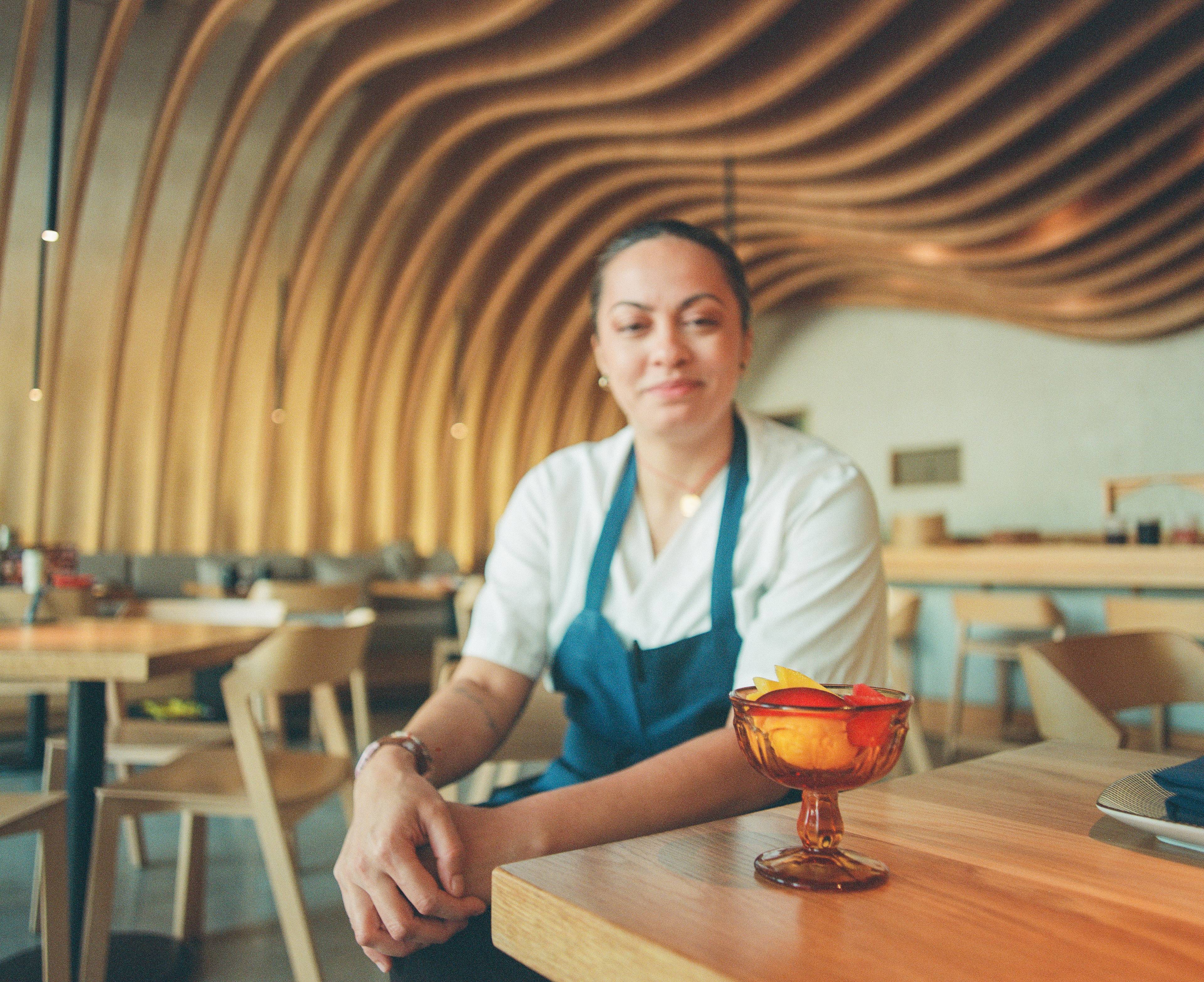
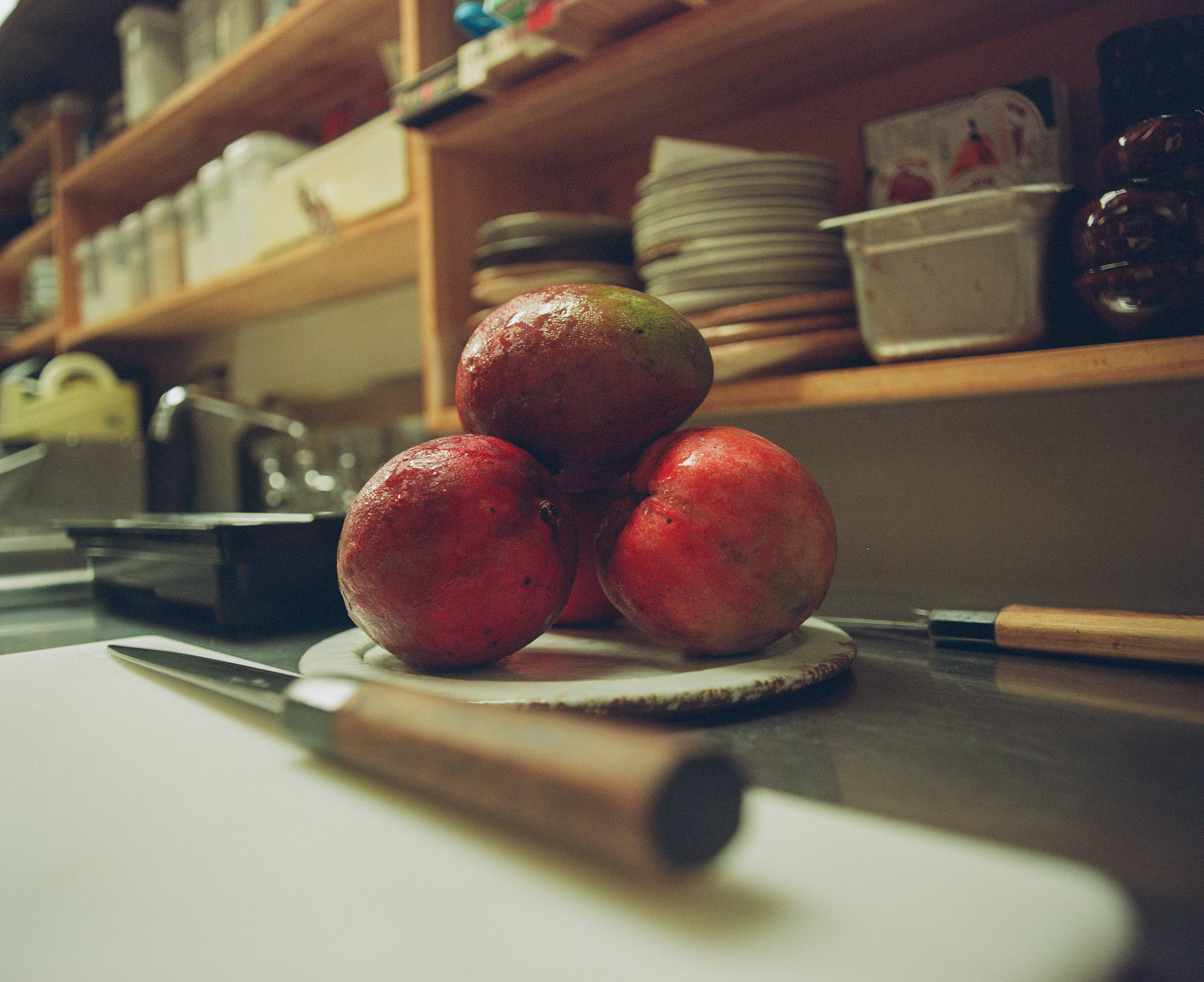
The sun on an afternoon in August is beating down as we arrive at Hiyakawa in Miami's Design District. Every night, the contemporary Japanese restaurant serves an omakase menu that shifts with the seasons in a room where the kitchen is in full view. We set a crate of mangoes down on a table that will hold that experience in just a few hours. Until then, we're getting an inside look at the sorbet keeping this August day cool: mango sorbet.
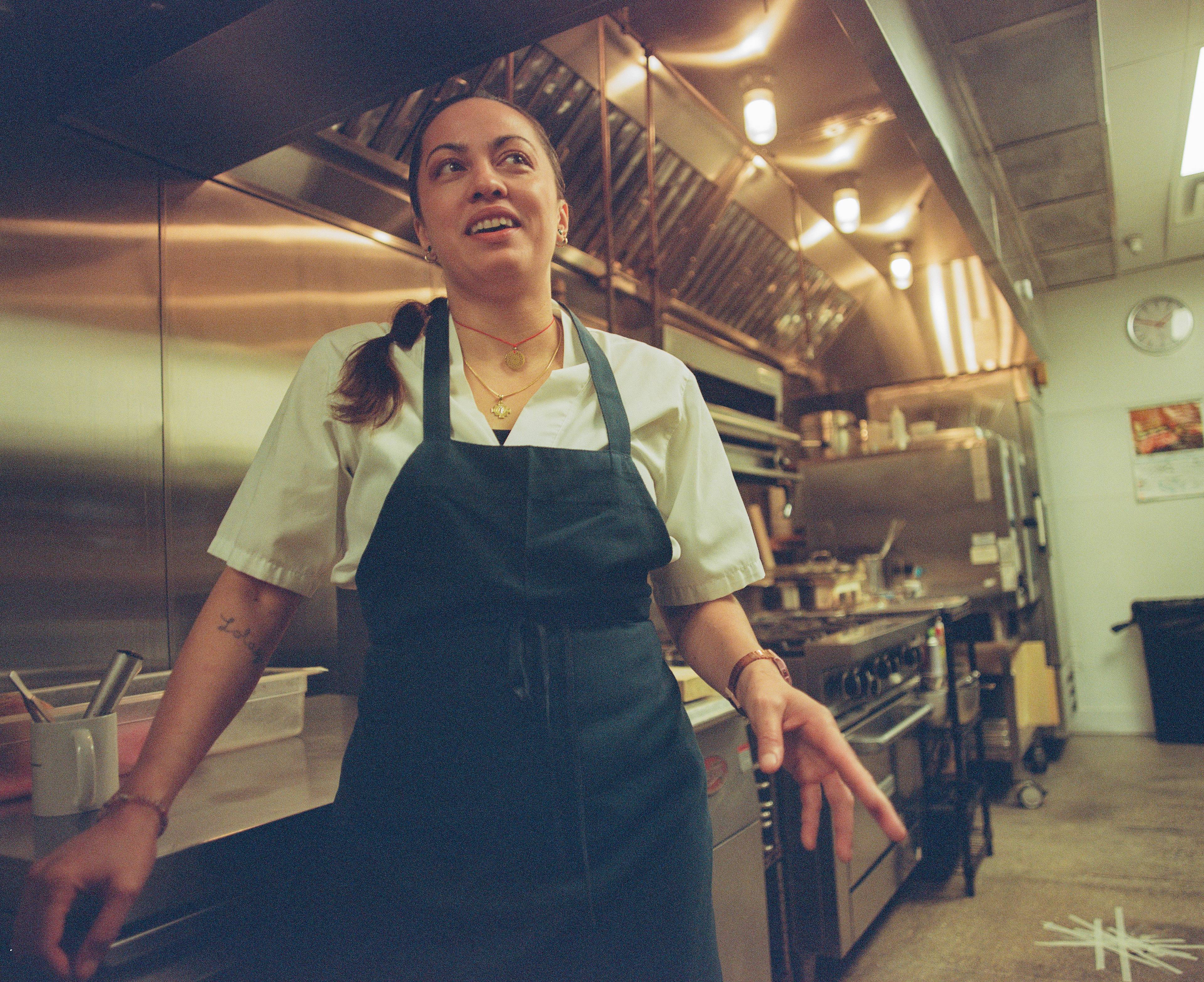
Chef Jamie Liu's cooking is built on a simple premise: use what is actually in front of you, at the exact moment it is ready, and nothing else.
"Fruit is the ultimate," she says. "You have to be so in touch with yourself and the environment. You have to really smell it, touch it, taste it. It's one of those things that forces you to use all of your senses." The fruit itself sets the terms. As she puts it, "Mother Nature decides – 'I'm not ready yet,' or 'I'm ready right now,' or 'ah, you missed your chance.'"
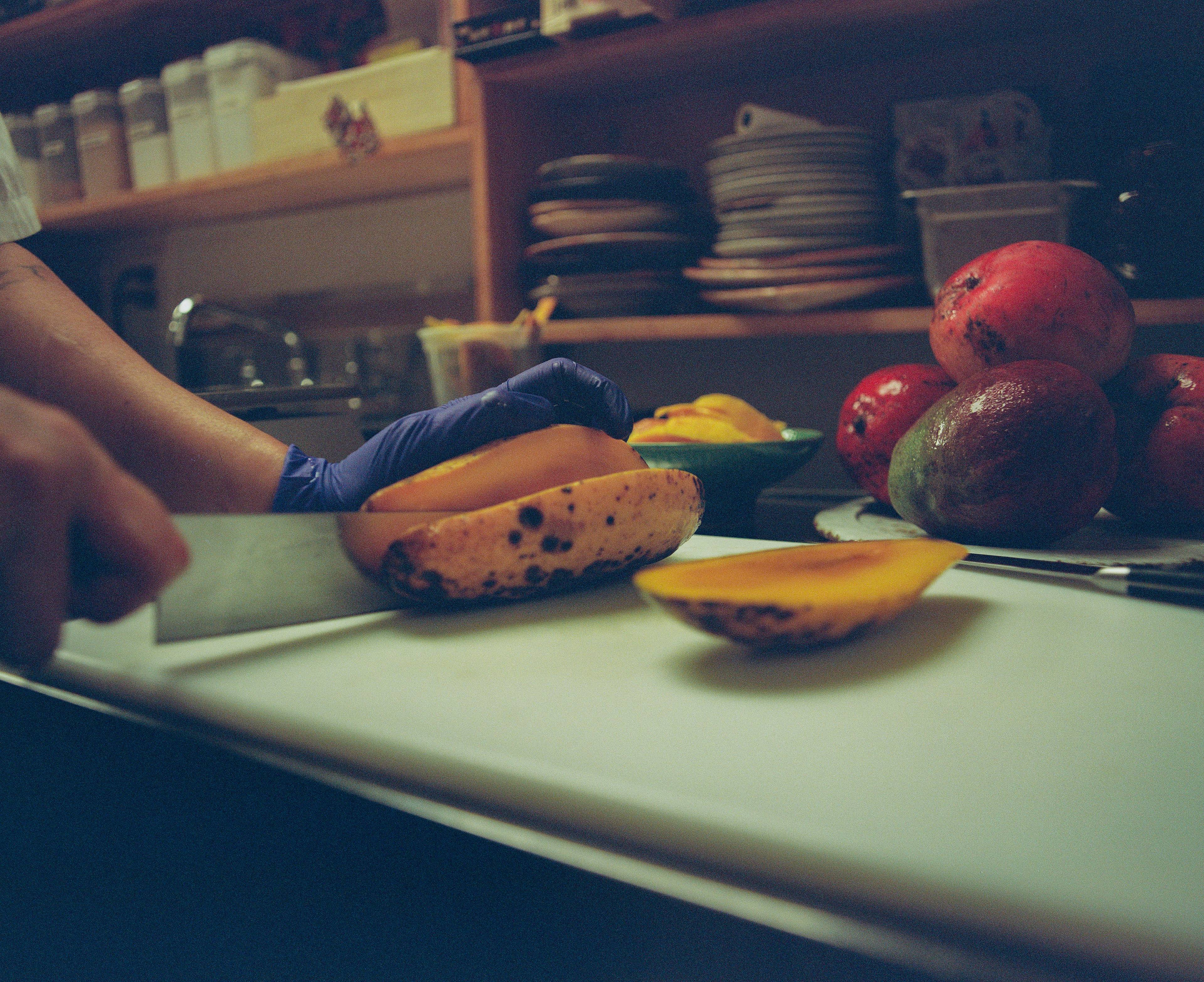

Liu treats seasonality less as a constraint than as a ritual. "It helps you check in with what time of the year it is," she says. "It's almost like seasonality with food is sort of an unspoken tradition. I think it's just as much of a holiday." To miss a fruit's window, in that framing, is to miss the holiday itself.
That code extends to how fruit is used, not just when. At Hiyakawa, produce is graded on arrival for its best possible outcome: what is perfectly ripe becomes garnish, served close to its natural state; what is very ripe becomes sorbet, sauce, or another integrated application. Nothing is discarded because of its imperfections. "Don't waste anything," Liu says. "Respect the food. Know where it comes from, and care from sourcing all the way to how the dishes get washed after the guest is done."
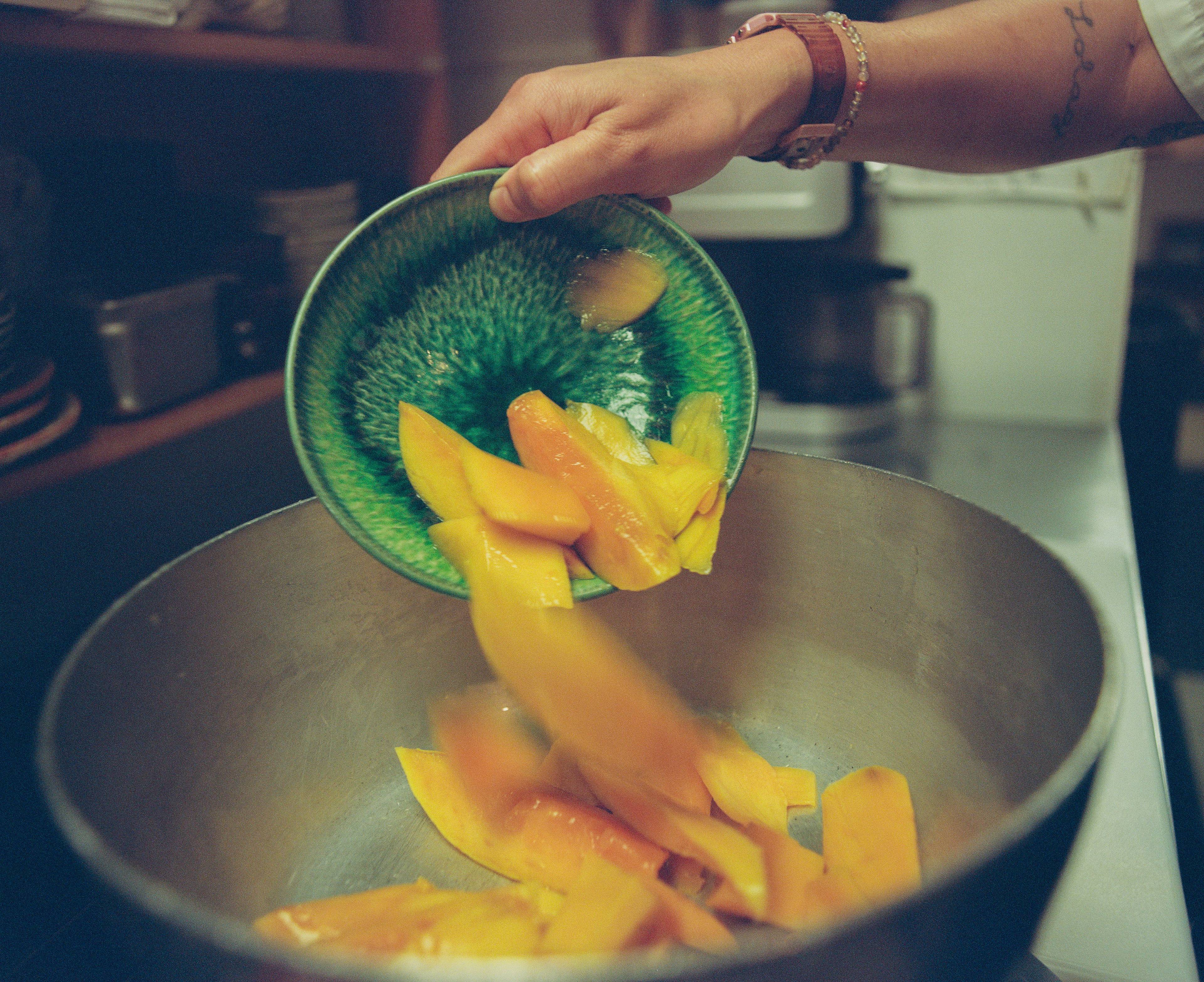
This is where sorbet earns its place as the clearest expression of the philosophy, rather than a secondary use for imperfect fruit. "Everything that doesn't turn into a dish becomes dessert," Liu says — a line that sounds offhand but is, in fact, the whole method compressed into a sentence: nothing wasted, every piece of fruit carried exactly as far as it wants to go, on the day it is ready to go there.
By the time this #OffThePass feature reaches readers, that crate of mangoes will have had its season come and gone. But Liu's method travels forward regardless of the calendar: seek out the fruit that is in season today.
MANGO SORBET
Notes from the chef:
At its core, this is a mango sorbet recipe, but the ratio is built to flex. Swap in any fruit you like, keeping two things in mind: without a stabilizer, the fruit's natural pectin level determines texture (more pectin means a smoother sorbet, less means icier), and the sorbet is only ever as good as the fruit going into it, so make sure it's fully ripe.
INGREDIENTS
520g Mango, ripe, peeled, deseeded and roughly chopped
260g Sugar
50g Water
6g Cold-soluble sorbet stabilizer
500g Water, for adjusting
METHOD
- Combine the mango, sugar and 50g water in a pot. Bring to a boil, then reduce to a simmer over medium heat for 5–10 minutes, stirring occasionally, until the fruit is fully cooked through.
- Remove from the heat and let the mixture cool to room temperature.
- Transfer the cooled mixture to a powerful blender along with the remaining 500g water.
- Blend on low, gradually increasing to high speed until the fruit is fully broken down.
- Once a vortex forms and the mixture is pureeing smoothly, carefully sprinkle in the sorbet stabilizer. Continue blending for 30 seconds to allow it to fully hydrate.
- Pass the mixture through a fine chinois, then cool over an ice bath.
- Transfer to ice cream containers or freezer-safe containers and freeze overnight, or until fully frozen solid.
- Spin the frozen base in an ice cream machine until smooth and creamy, then garnish with freshly chopped fruit to serve.
Stories
Voir tout
We exist to fix the food system.
People are more cut off from the origins of their food than ever. This makes flavor, nutrition and farming practices that protect the planet, almost impossible to find.
By working directly with growers, we create a more sustainable way forward for farming. By giving everyone the tools to understand the power of our food choices, we empower everybody to become drivers of change.
Now is the time for action. Join the food system revolution.

Go beyond four seasons
Each fruit and vegetable has its own season, with subtle shifts which happen every day. Follow their microseasons to unlock flavor at every stage.
WHAT’S IN SEASON?

Know where your food comes from
We know the name of the person behind everything we source. Recognize their growing artistry to find out exactly where your food comes from (and why that matters).
MEET THE GROWERS

Make your diet diverse
Our growers work with varieties chosen for quality and nutrition, not yield. By selecting their crops you keep heritage seeds in play, add to ecosystem biodiversity and preserve unique flavors.
GO #OFFTHEPASS
United States
© 2026 Natoora Ltd.