Where scent becomes story with Daphnis and Chloe

Evangelia Koutsovoulou, founder of Daphnis and Chloe
Evangelia Koutsovoulou on memory, beauty and the growers preserving Greece's rich botanical heritage.
Ingredients themselves do not tell a story, Evangelia will tell you. Rather, the story is found in the way they are grown and the hands that harvested them.
That’s where the wonder lies.
“You need a certain level of madness inside you to make herbs entirely by hand,” she jokes. Yet the scent, flavour and uniqueness of Daphnis and Chloe's herbs prove why the love and labour are in every way worth it.
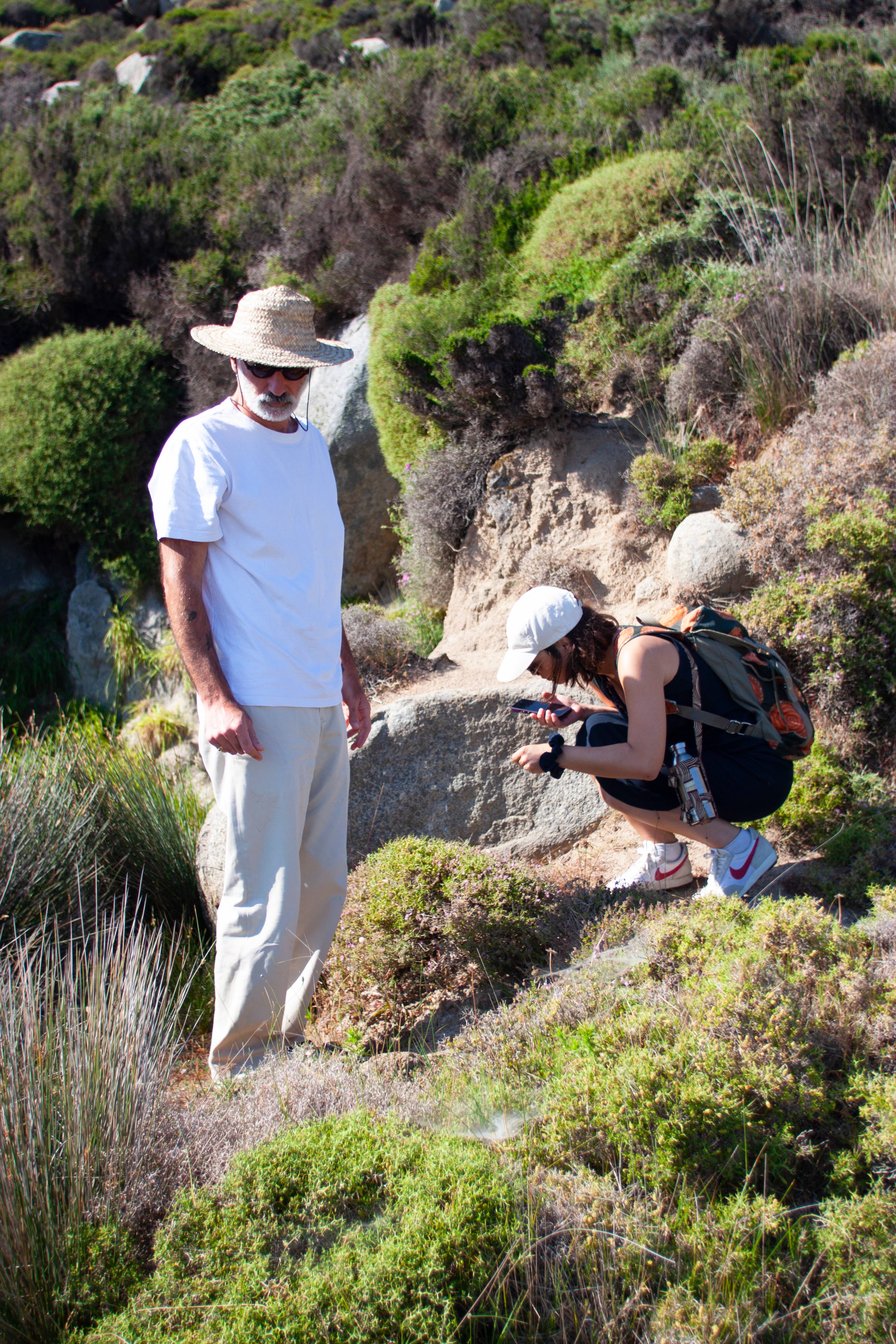
Scouting in Tinos Island, Greece
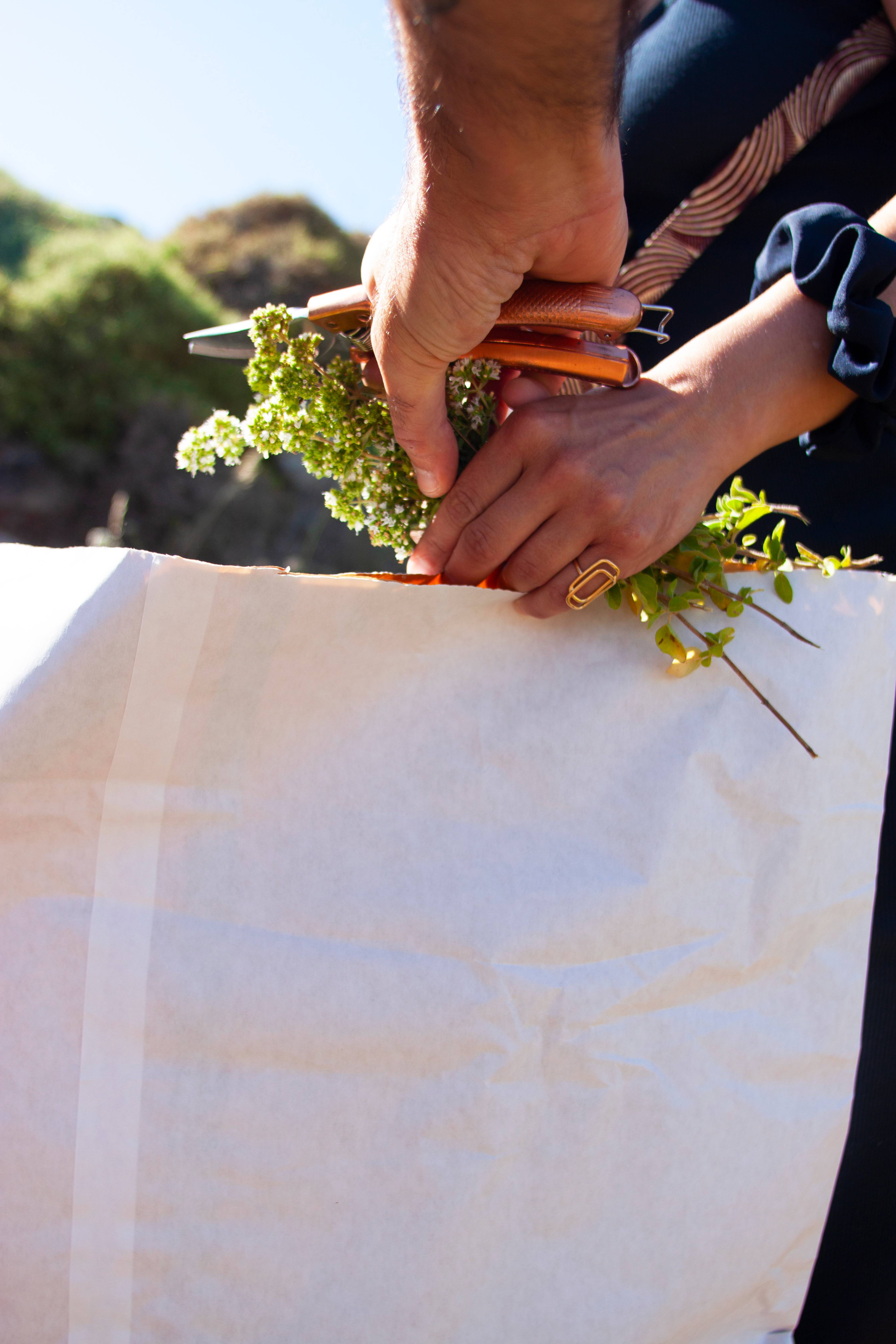
Inspired by the rich botanical heritage of Greece and a deep desire to do business her own way, Evangelia founded Daphnis and Chloe in 2013.
At the time, she was living abroad and found herself longing for her home country, with its balmy weather and unspoiled nature. She wanted to be closer to that, and saw an opportunity in the culinary herbs of Greece.
Despite their quality, they were impossible to find outside of their native areas.
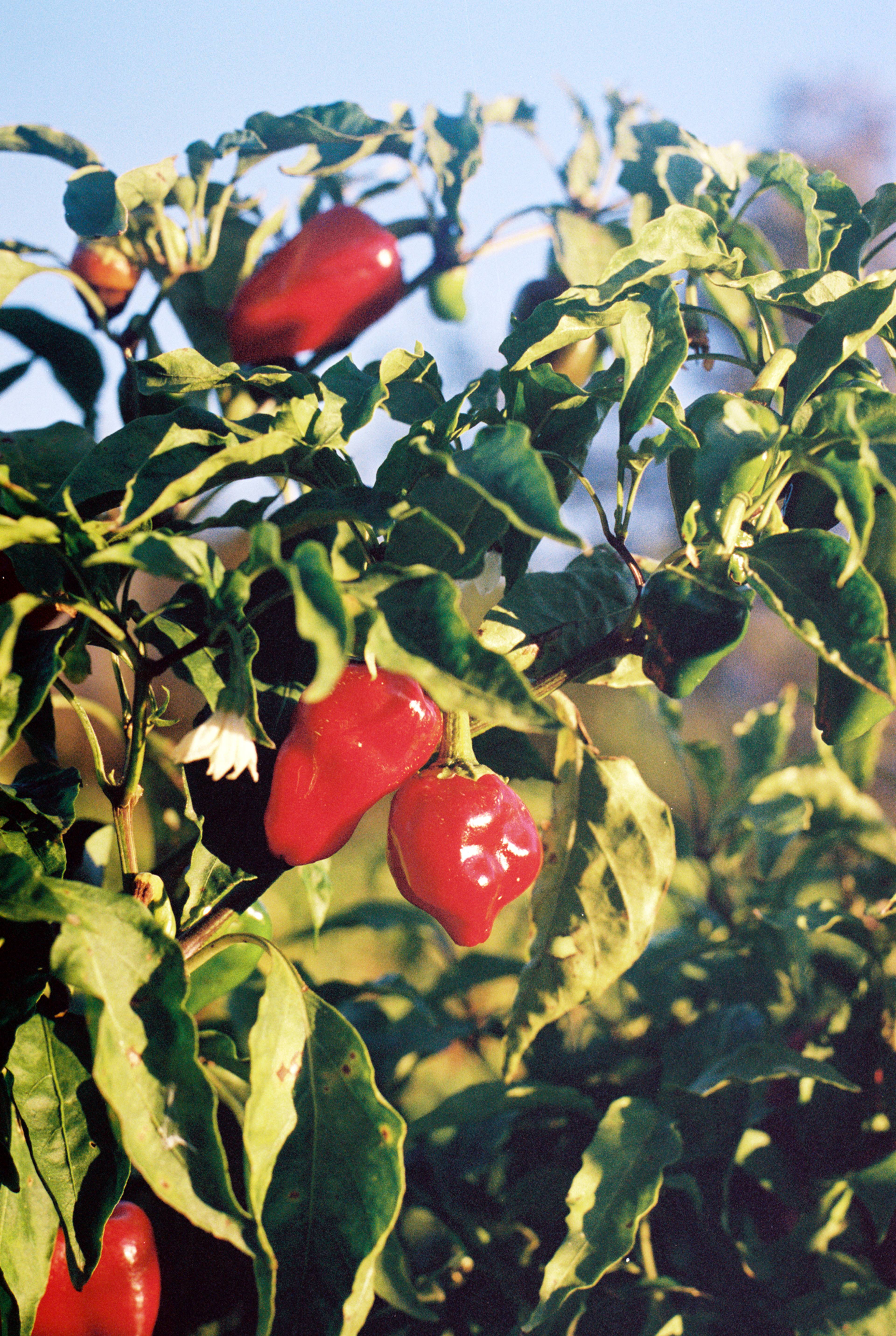
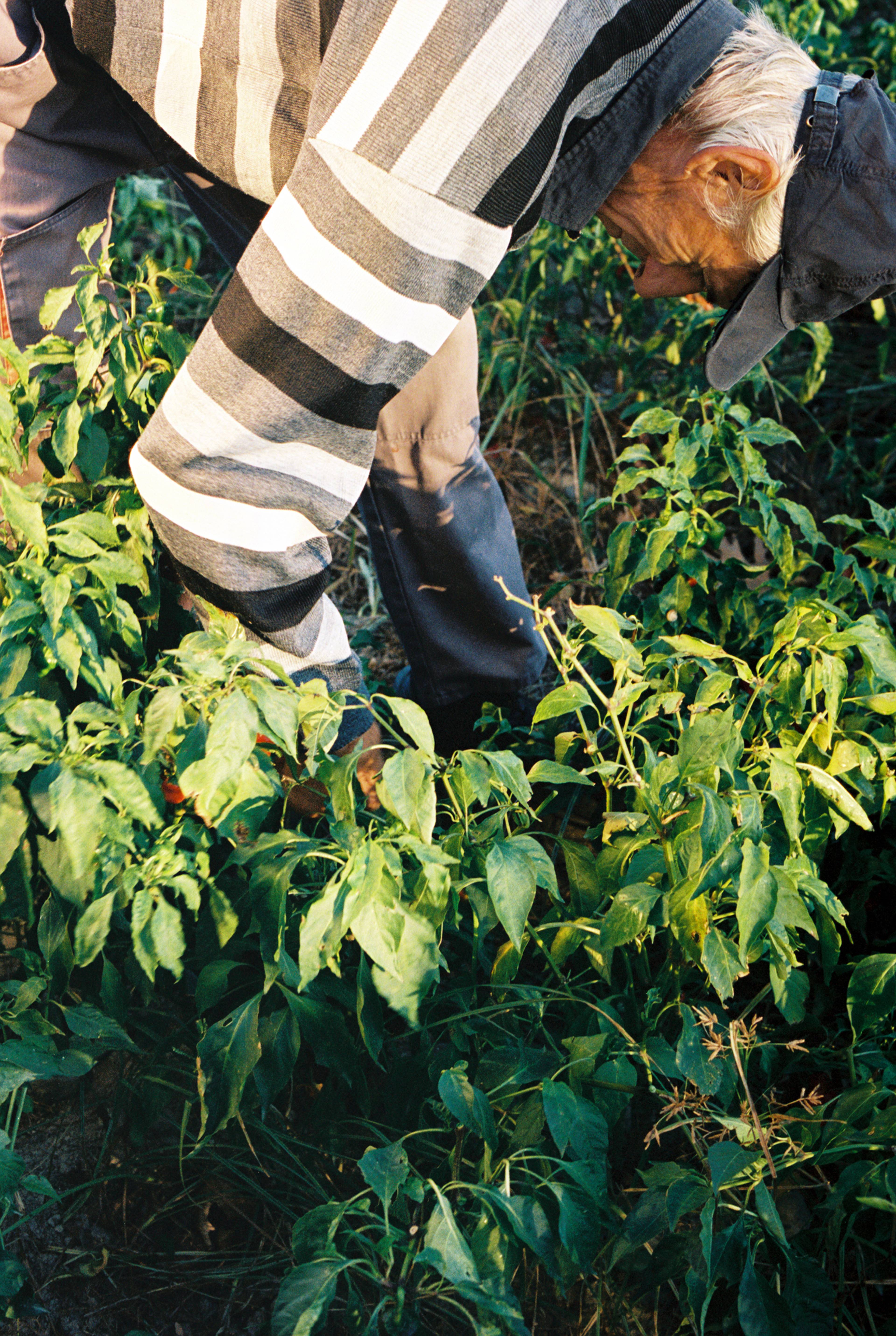
Snapshots of the chili flake harvest
Her atelier, tucked away under Athens’ Acropolis Hill, preserves, hand-processes and bottles the most fragrant and flavourful dried herbs from the mainland and its surrounding islands.
From golden-hued sesame seeds and rich, earthy Greek oregano bouquets to special heirloom varieties like sweet marjoram and wild thyme flowers, the goal has always been to gather the best quality herbs possible – all in small batches from farmers she knows by name.
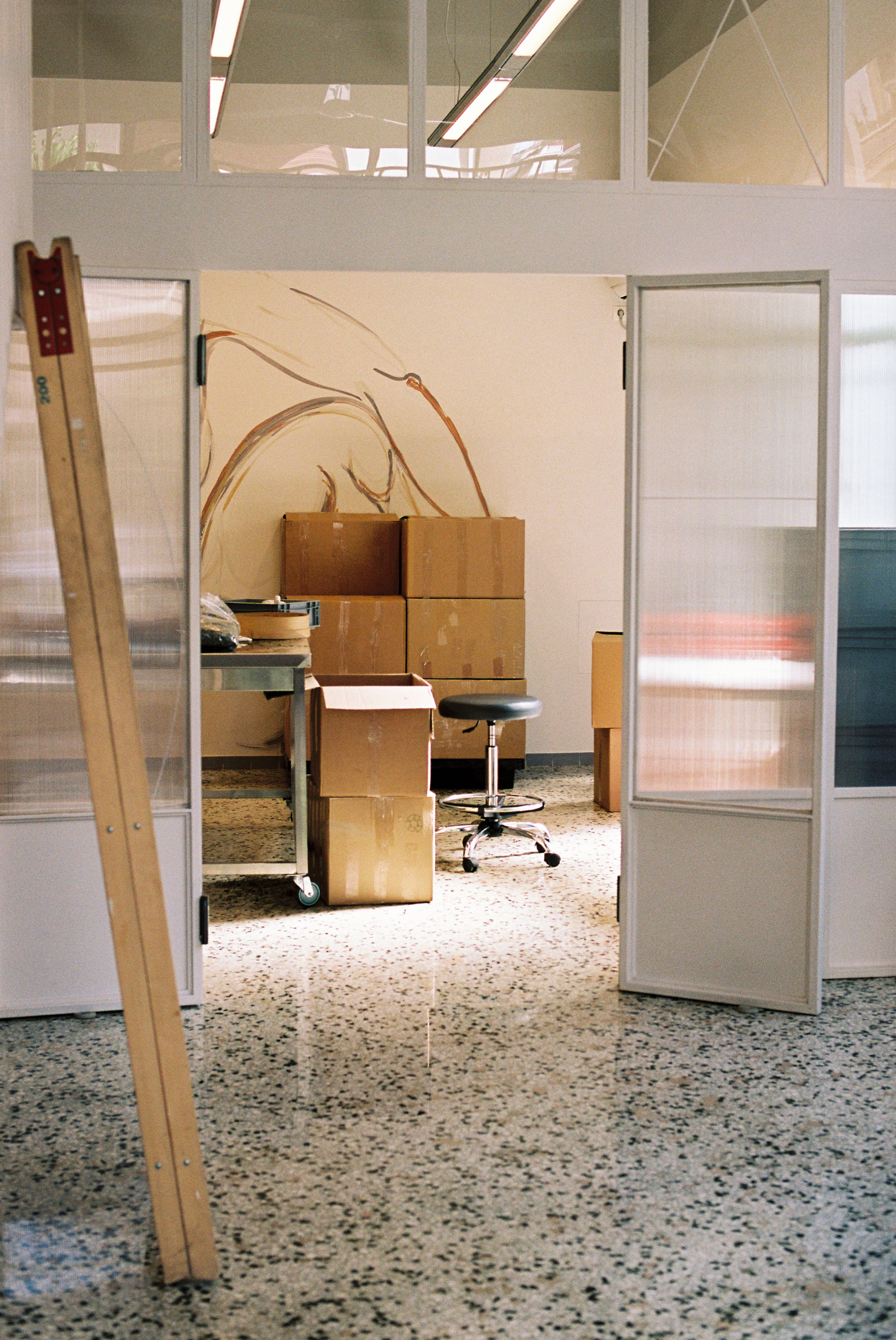
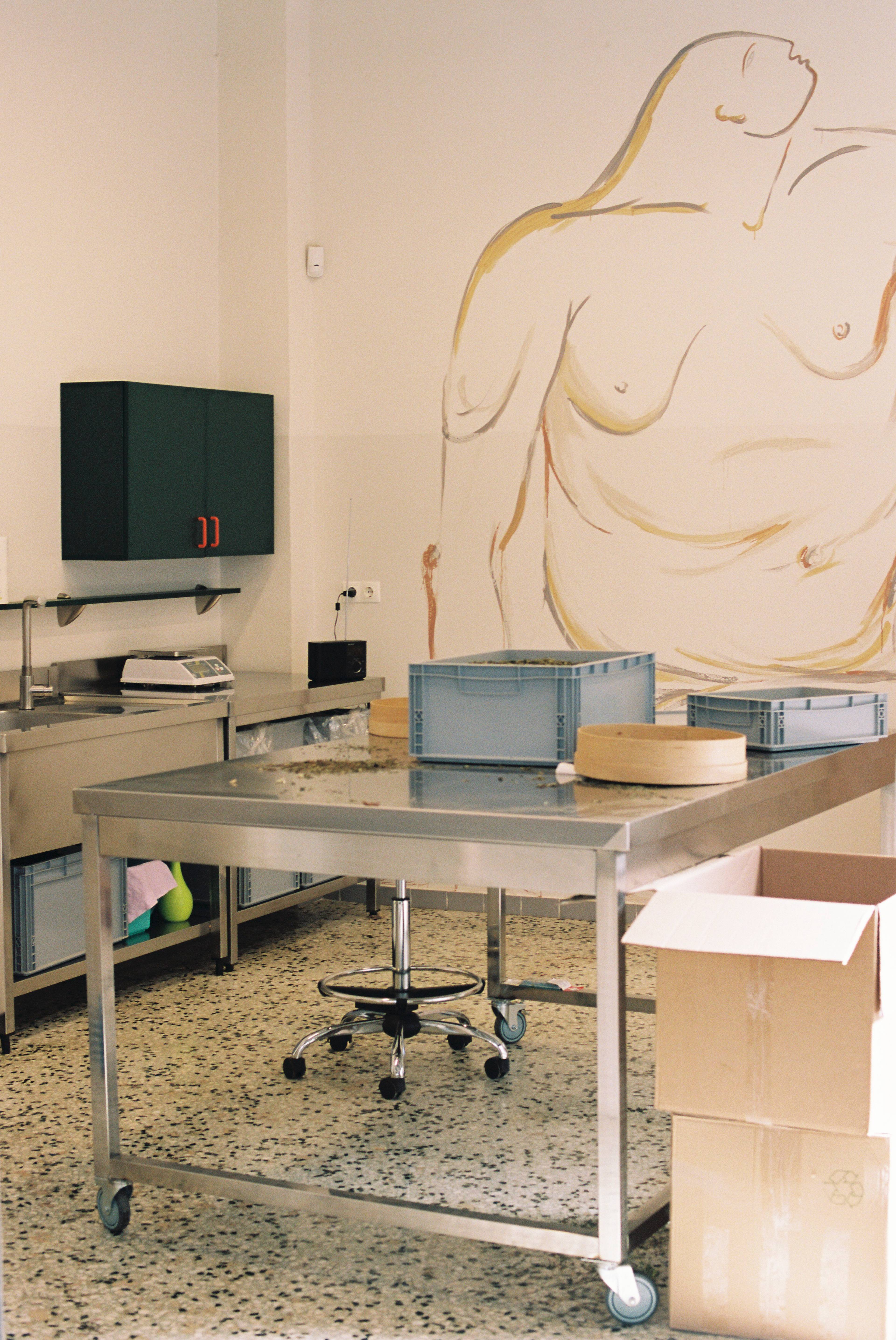
Daphnis and Chloe Athens Atelier
There’s nothing systematic in the way Mediterranean herbs are produced, we learn. The methods are artisanal and highly connected to the makers, or the few remaining romantics, as Evangelia calls them.
Take the thyme blossoms. The blooming season is a couple of weeks each year, and a skilled worker will trim a maximum of 2kg per day, with scissors. In a bad year it will be less, as the thyme relies exclusively on rainwater.
There’s solid reasoning behind this farming choice. Forcing herbs to grow can hinder flavour.
She seeks out a specific growing and processing criteria: Shared ethics, mutual trust and support, openness to exchange knowledge. Solid relationships are essential to her, as without them, the high quality herbs she’s dedicated more than a decade to, cannot exist.
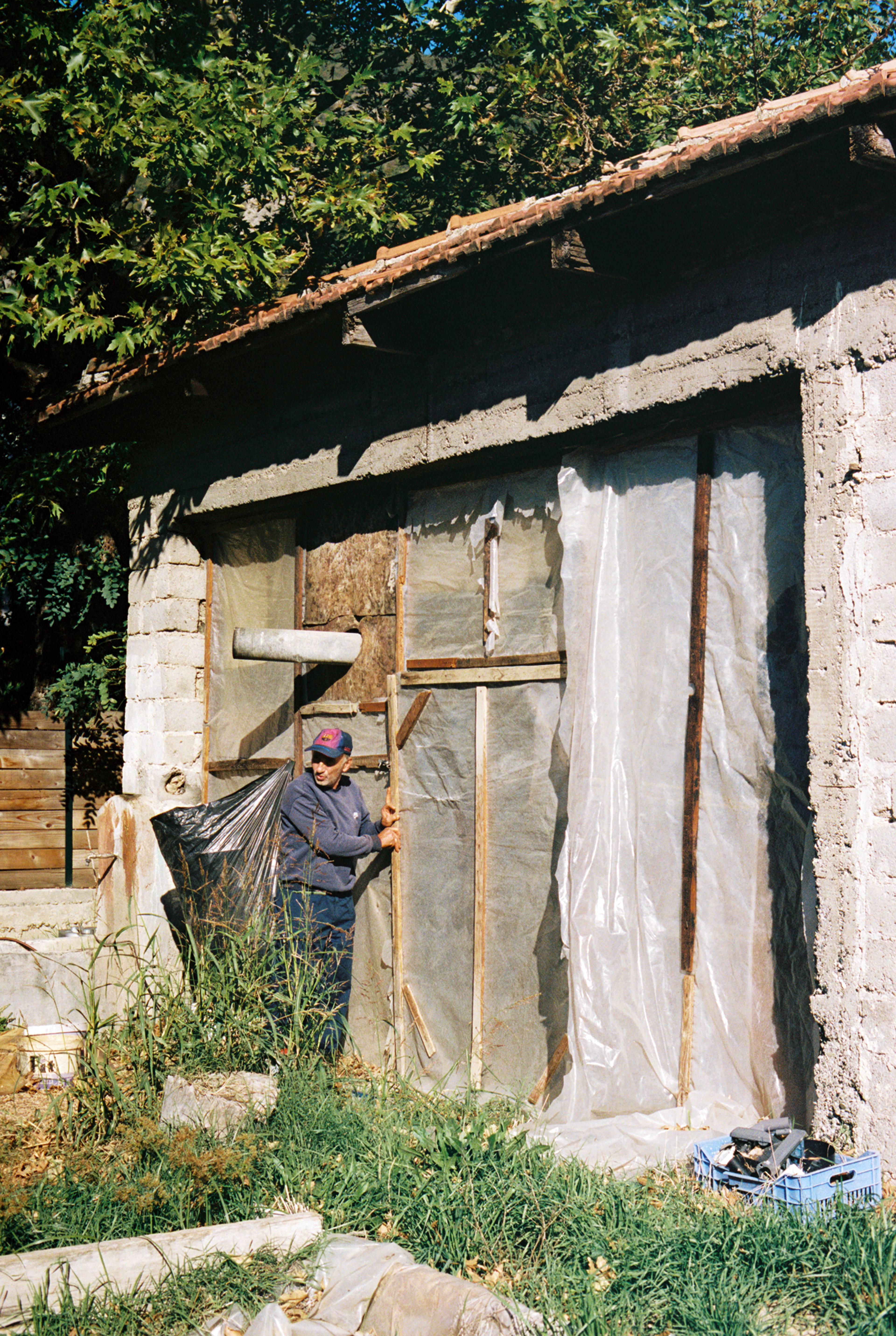
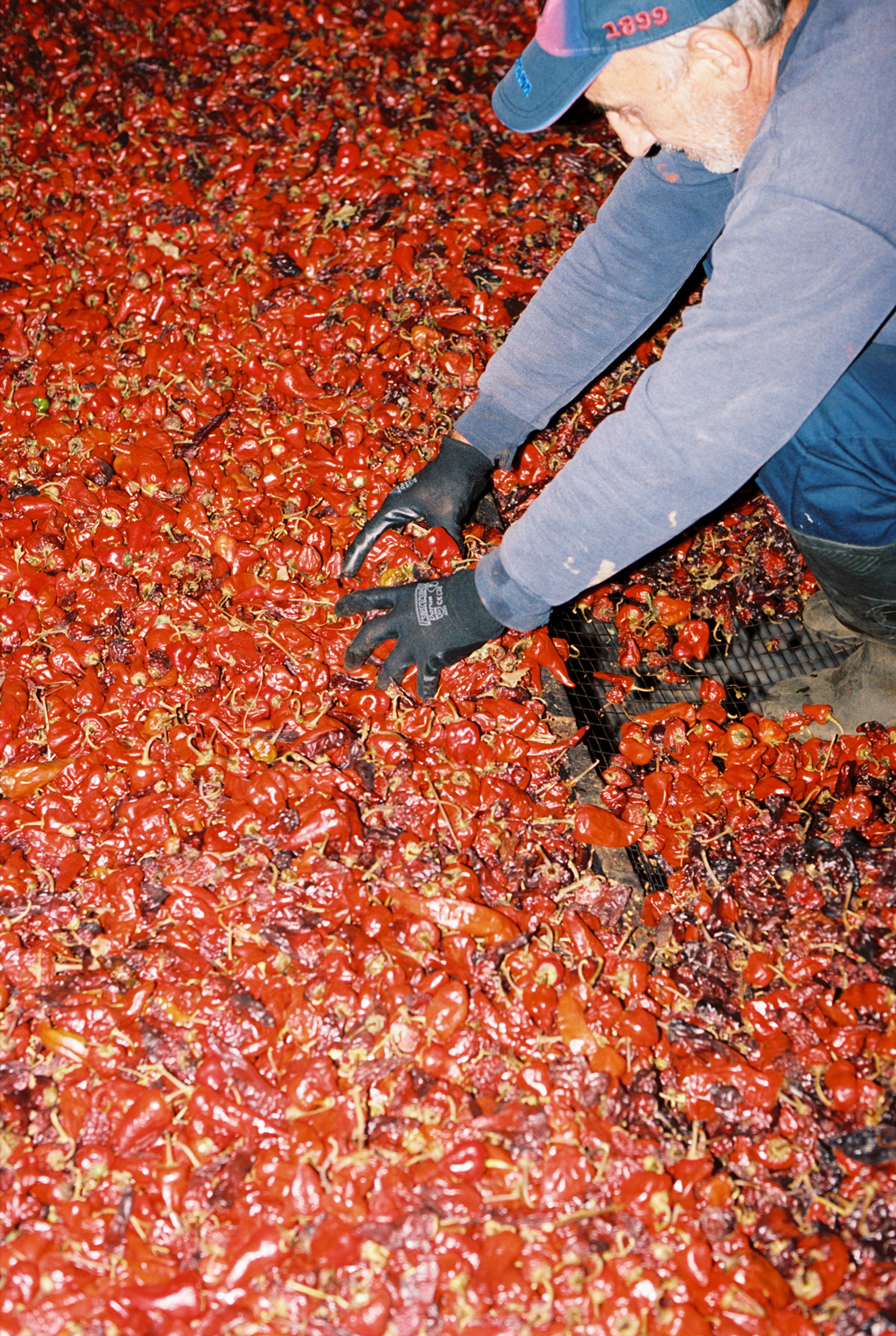
The smoking and drying process of chili flakes
Her connection to flavour traces back even further. She recalls spending much of her childhood in the wild, with food coming from the garden and bread from her grandma’s oven.
"Scent and flavour shape memories"
“We had this house in the mountains, and nearby lived an old lady, who would harvest oregano from the wild and sell it around. She went to harvest in the afternoons, on a donkey. She spent the evenings tying oregano bunches to dry. So each summer in early August, every breeze smelled of oregano.”
Scent and flavour shape memories, and it’s these small, sacred experiences that have influenced the narrative of Daphnis and Chloe over the years.
Rather than pursuing growth for growth's sake, she is focused on consistency, resilience and creating products with a positive impact, preserving not only flavour, but the landscapes, traditions and relationships that give it meaning.
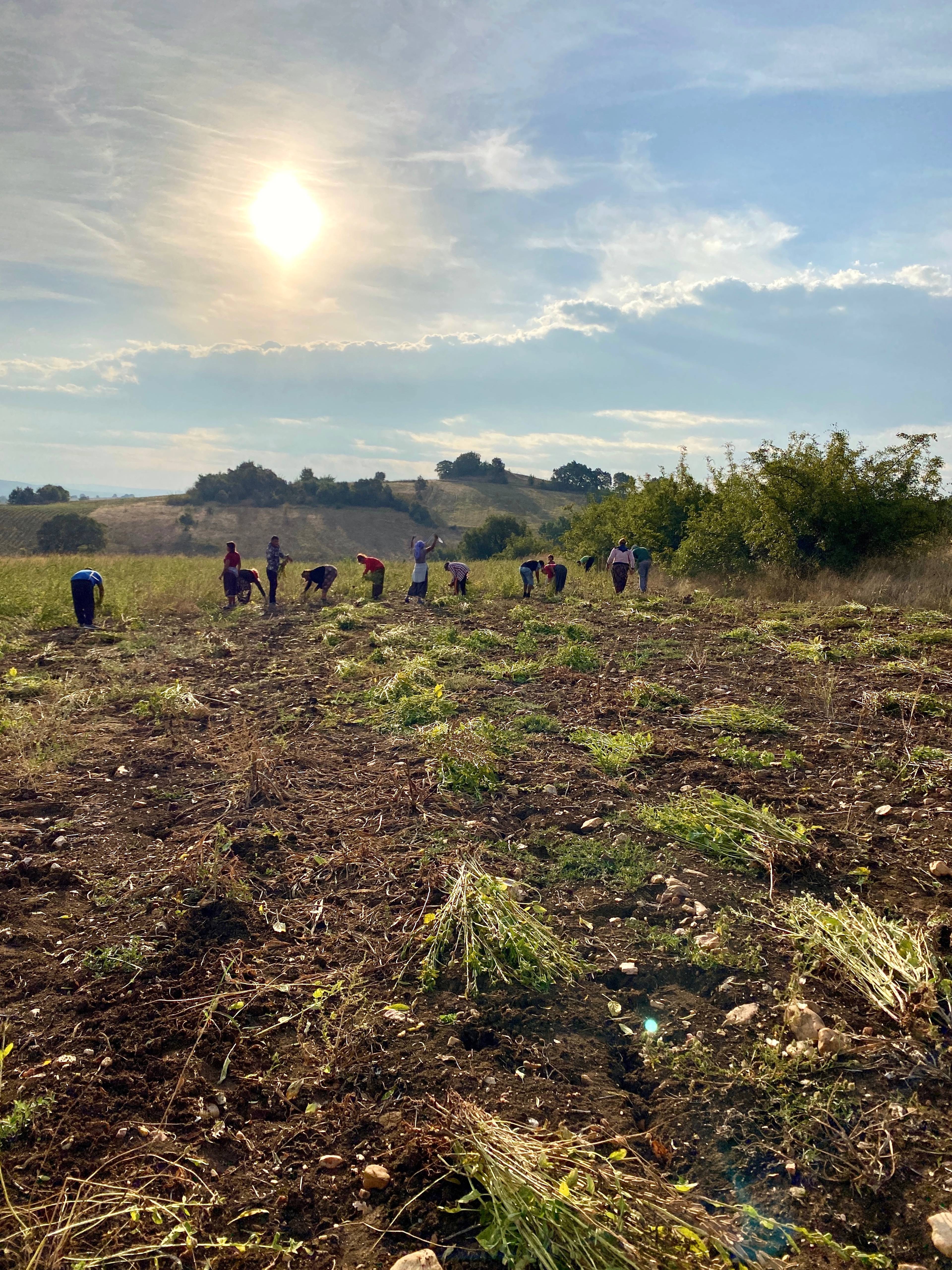
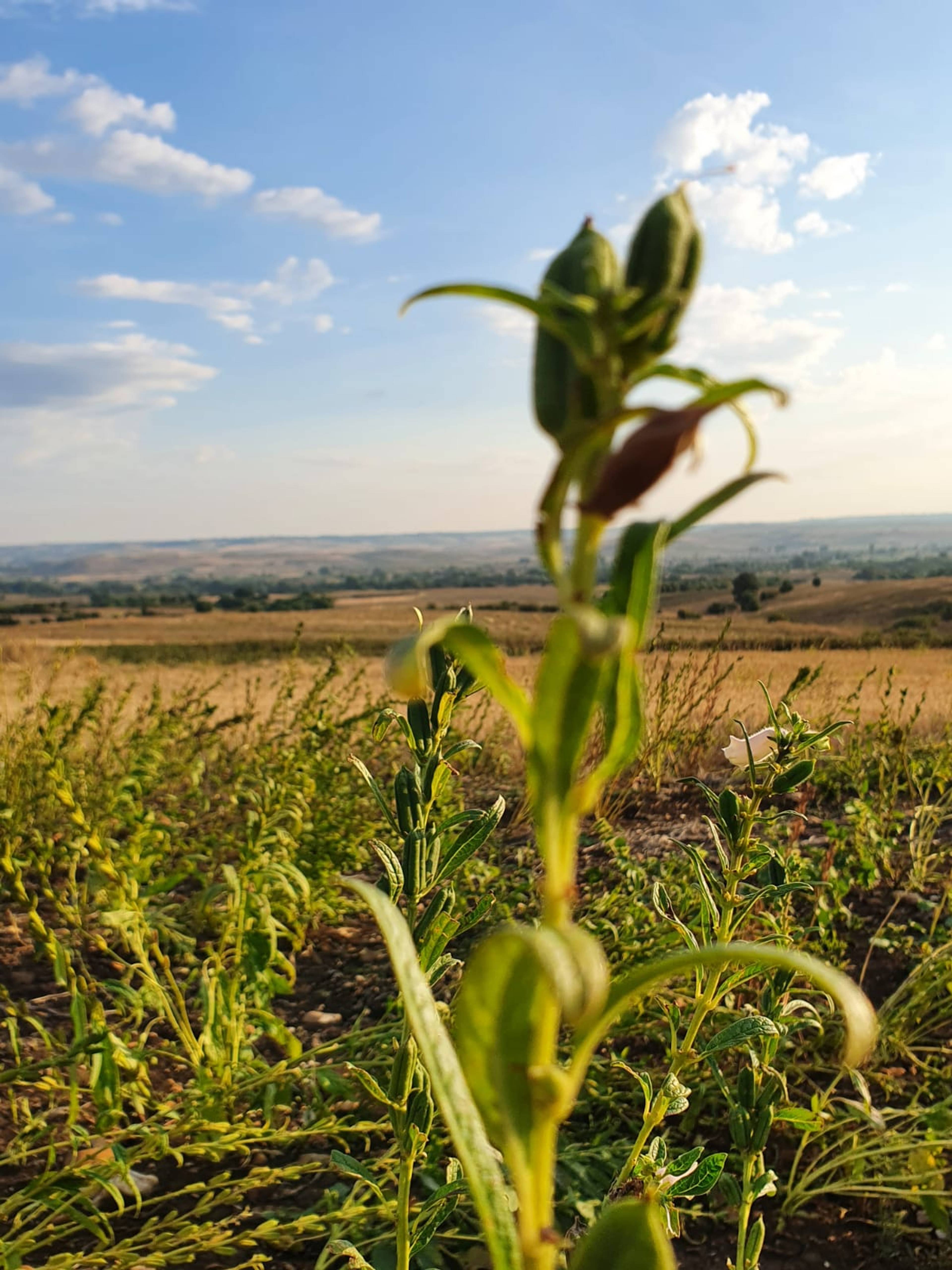
Harvesting sesame seeds in Evros
Could you tell us about some of the farmers and producers Daphnis and Chloe work with? Are there any people or places that have stayed with you over the years?
Absolutely. Most of our suppliers have grown with Daphnis and Chloe over the years. Take our smoked chili flakes, which belong to the heirloom Karatzova variety, and are cultivated by just a handful of families across 4-5 villages in Pella. When we began sourcing them 12 years ago, we only managed to find 50kg for the first season. The locals had gradually abandoned the cultivation of these peppers, because brokers weren't paying a living wage for the produce. We brought the Karatzova pepper cultivation back on track through a long, gradual process, that both us and farmers could sustainably support. Last year, they produced over a ton of peppers for Daphnis and Chloe. By global standards, this is not a lot of chili. But for this community which had abandoned their most traditional crop, it is huge, beyond money.
Greece has such varied landscapes and microclimates, from mountain villages to island terrain. How does the environment shape the flavour, aroma and character of the herbs you source?
Terroir plays a critical role for all crops, but even more for herbs, given that flavour and aroma are what we use them for. Sun exposure, soil composition and the surrounding nature shape a plant’s flavour. If you plant a Greek island herb in the UK, it might even manage to grow. But the aroma won't be there.
Your herbs feel incredibly expressive and place-driven. Do you think people are beginning to think differently about spices and herbs, and to appreciate ideas like terroir and seasonality more deeply?
Thank you! Compared to when we started the business, there’s definitely a wider share of people who comprehend the extra effort that goes into producing cleaner, more nutrient rich, more sustainable ingredients. They understand that using price as the single denominator of their choices, is problematic. And I feel that it’s important to openly communicate to people not just the poetic side of our deeds, but also the hardships. For example the effects of climate change and rural decline, especially across the Mediterranean. These changes affect small makers more than anyone else, and knowledge is a fundamental decision making tool.
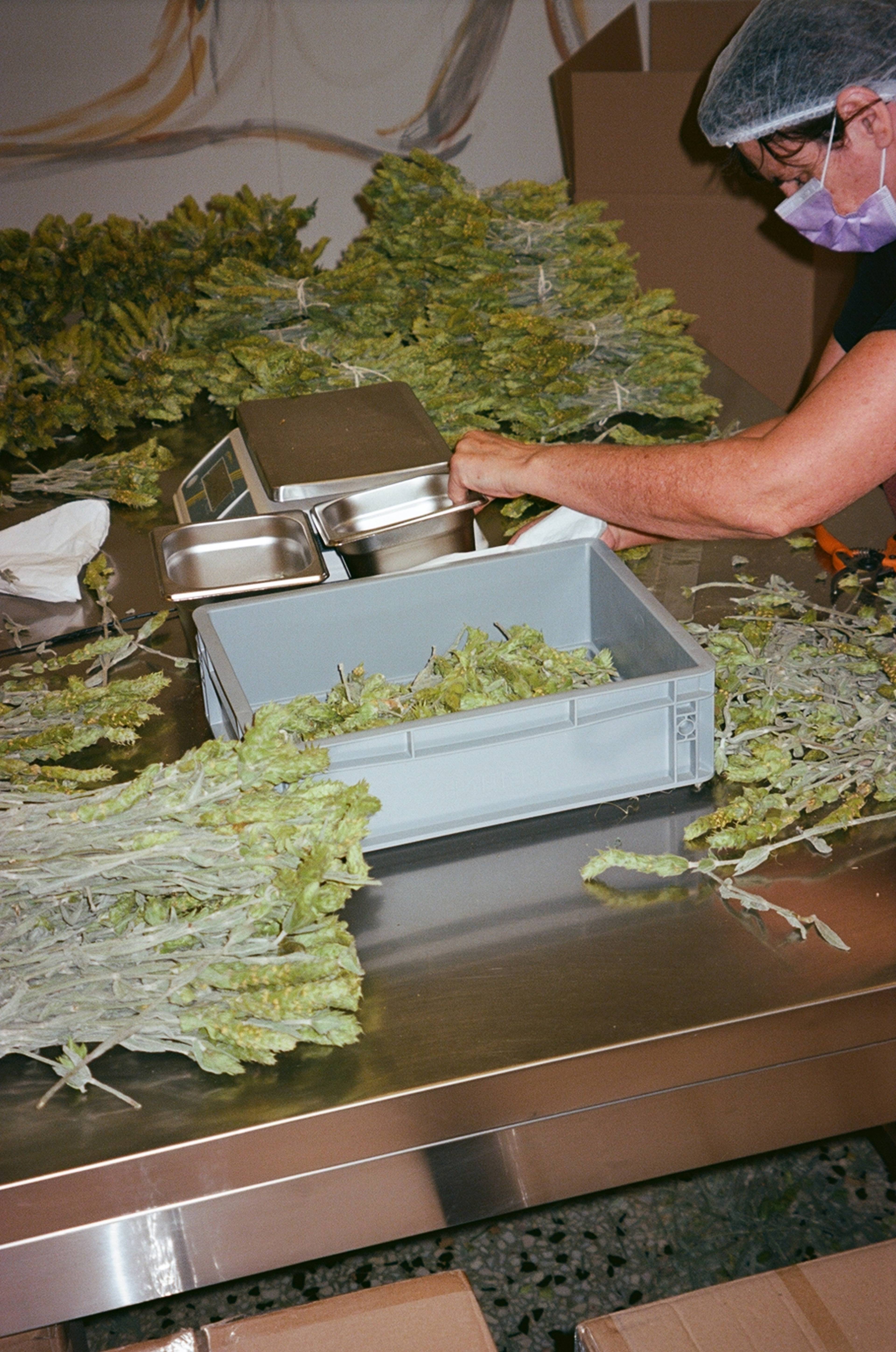
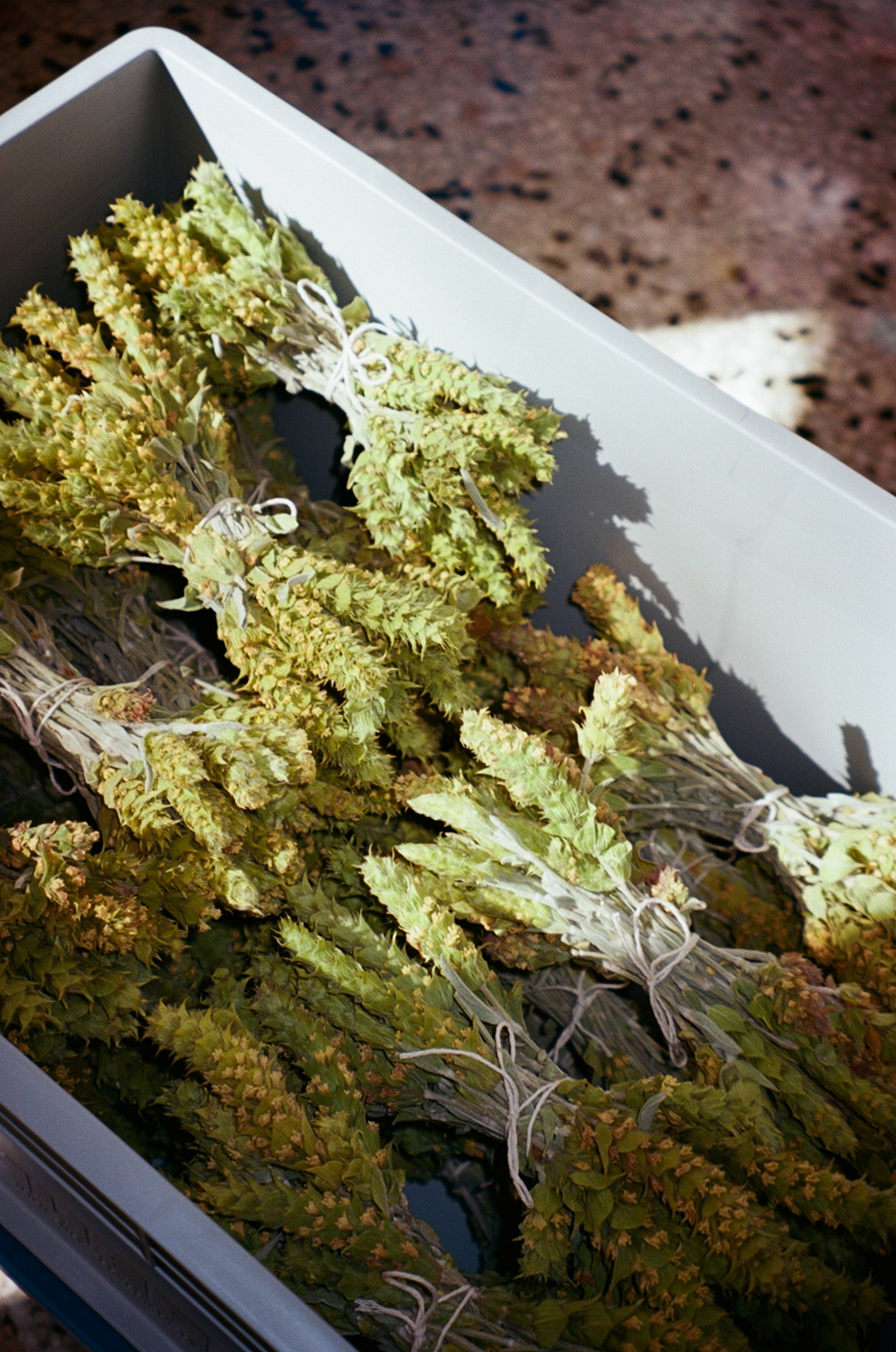
Making mountain tea bouquets at the workshop
What does a typical day look like for you? How much of your work is spent sourcing, tasting and travelling versus running the business behind the scenes?
Sourcing is an ongoing process, we receive samples and talk to farmers all year long. I make yearly visits to our farmers, especially in the spring, and this is probably the most exciting part of my job, as I get to visit places where I’d never normally go. Herbs have taken me to the most remote corners of Greece. But my days are usually spent at the office with my team. There’s a lot of manual work that happens in-house: trimming, sieving, hand-processing, each harvest is different. I enjoy spending time in the workshop with our production team, there’s always something to teach, to learn, to improve.
Athens seems deeply connected to the identity of Daphnis and Chloe. How has living and working there shaped the business creatively?
Athens has a beautiful light, which is very important for our visual identity. It is still today – despite the real estate frenzy that’s destroying it – a place of thousands of small businesses. This is an aspect of the city that we cherish and try to support, from our packaging which is made by historical printers, to our tote bags, which are crafted in a local shirt factory. It is however a very different city, compared to a decade ago.
What keeps you inspired in your work?
Beauty in all forms. In the natural state of things, in a job nicely done, in my surroundings. I get a lot of satisfaction from making things from scratch.And the freedom to run this business in an uncompromised way. We’re a small, healthy company, and we of course evolve. But I don’t agree with the “fast growth at all costs” mentality that dominates our world nowadays. I care about being consistent, resilient, and about making products that have a positive impact. But I enjoy doing it at a human pace, not at a speed dictated by markets.
Is there a particular herb or spice you find yourself returning to again and again at home, the one you reach for almost without thinking?
I constantly try new ingredients so there’s a lot of rotation in our kitchen, but I don't think I could ever live without good oregano. Toasted bread with oil and oregano. Some olives on the side. It’s my snack of choice.
If you were cooking a simple Mediterranean meal using Daphnis and Chloe herbs, what would be on the table?
Greek salad made with ripe, peeled tomatoes, and a lot of freshly ground oregano. Fava (heirloom yellow split peas) hot from the pan, with olive oil and freshly sliced onions. Some good bread, and the thyme infused Kalamata olives that my husband cures at home.
Stories
See all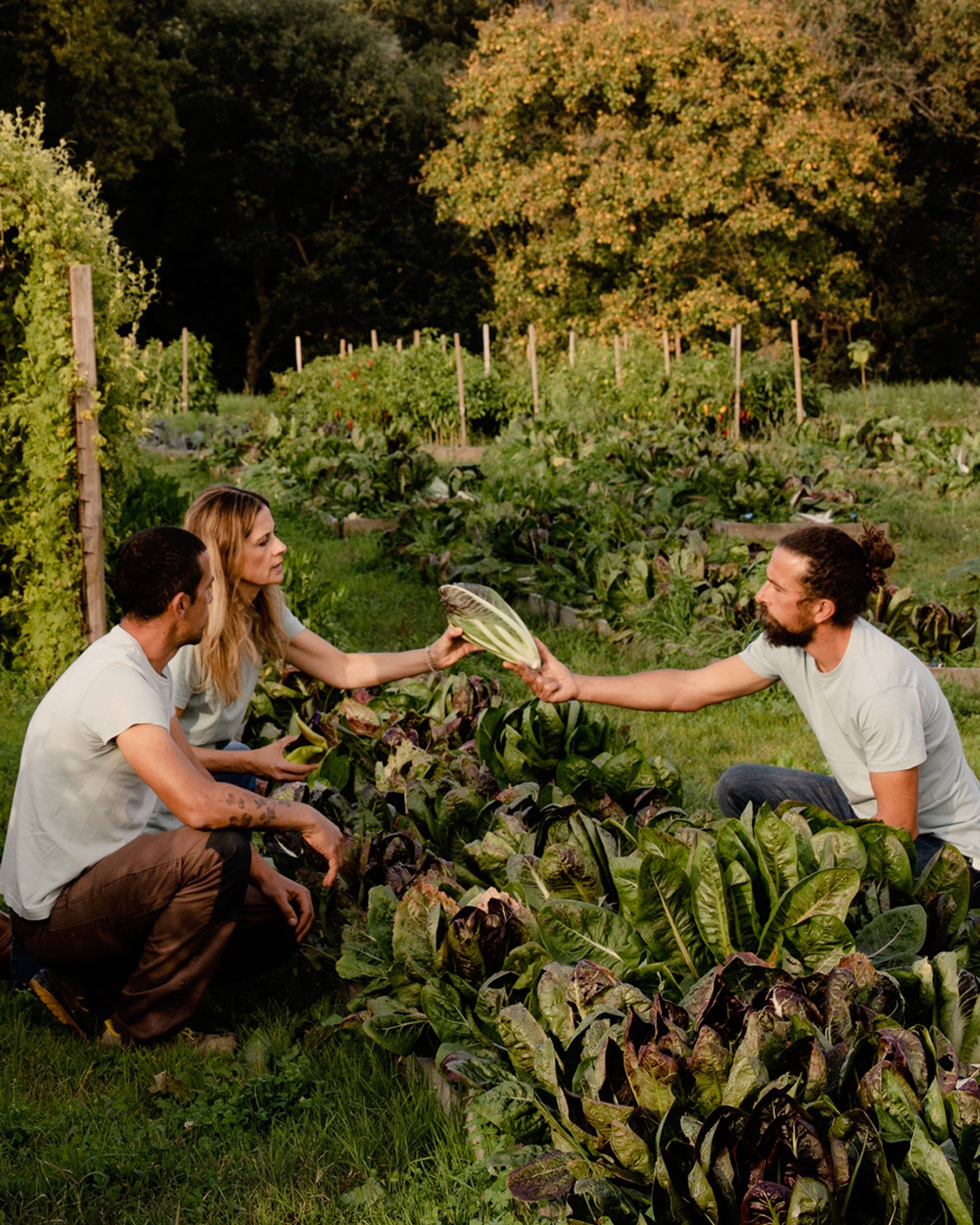
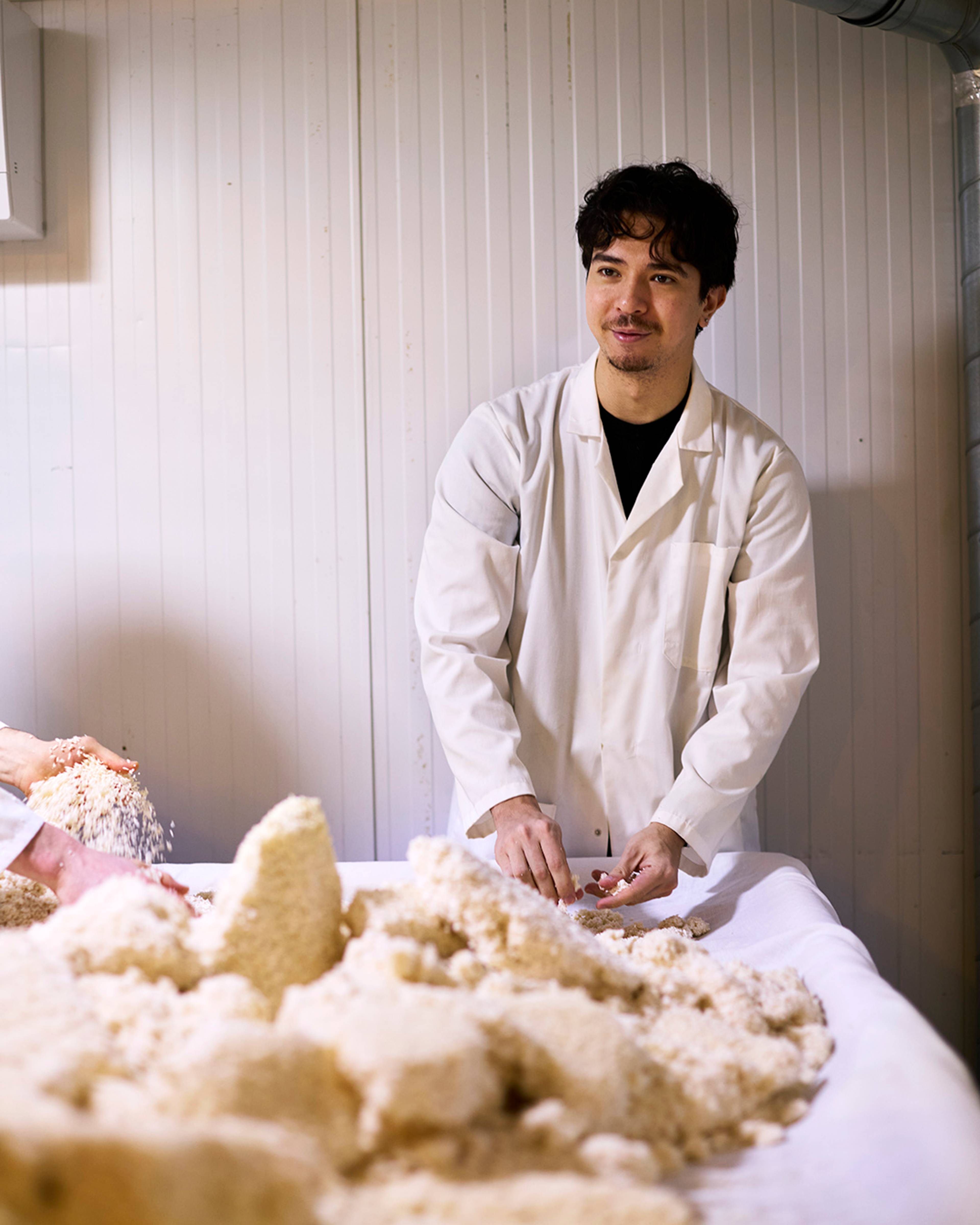
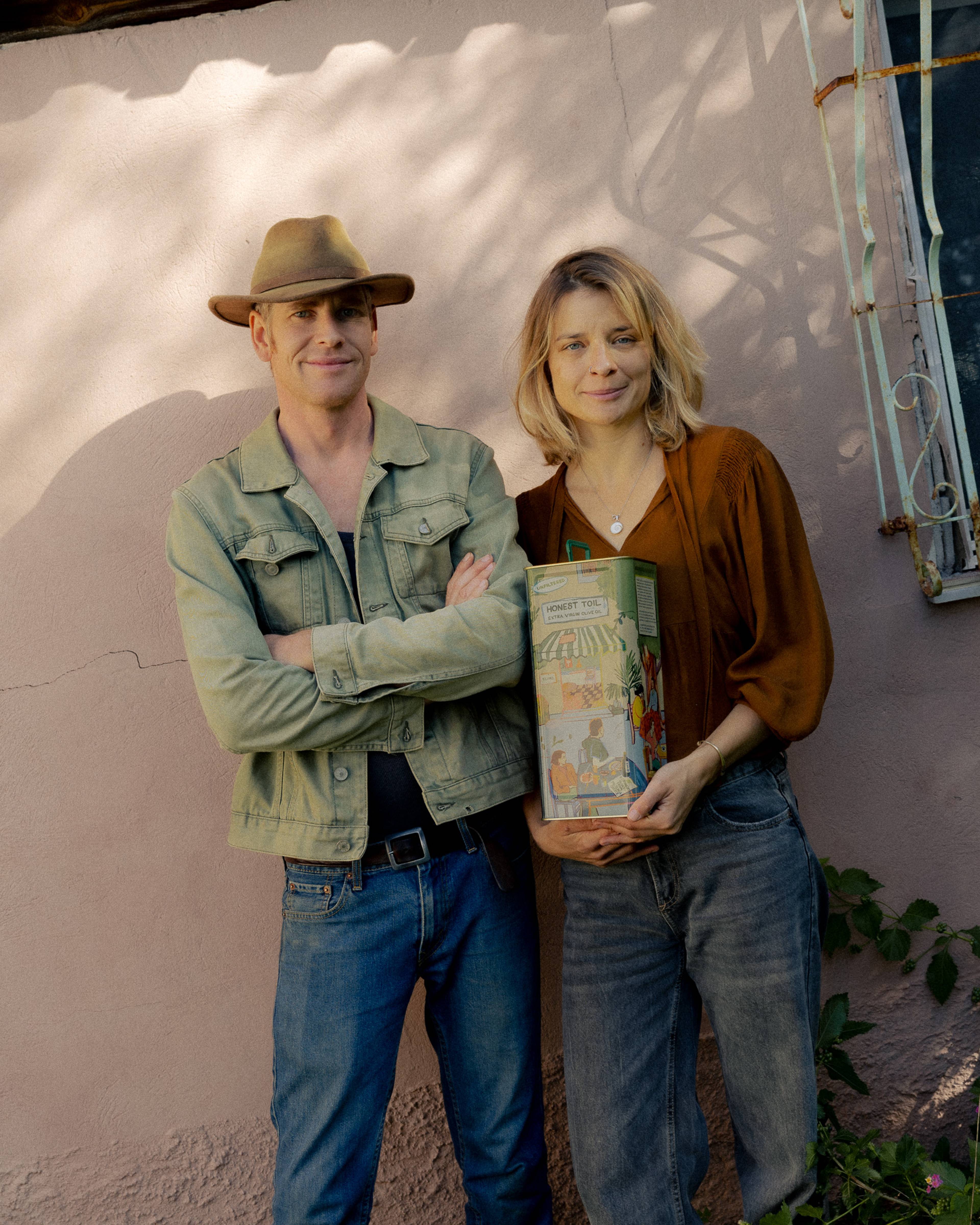
We exist to fix the food system.
People are more cut off from the origins of their food than ever. This makes flavour, nutrition and farming practices that protect the planet, almost impossible to find.
By working directly with growers, we create a more sustainable way forward for farming. By giving everyone the tools to understand the power of our food choices, we empower everybody to become drivers of change.
Now is the time for action. Join the food system revolution.

Go beyond four seasons
Each fruit and vegetable has its own season, with subtle shifts which happen every day. Follow their microseasons to unlock flavour at every stage.
WHAT’S IN SEASON?

Know where your food comes from
We know the name of the people behind everything we source. Recognise their growing artistry to find out exactly where your food comes from (and why that matters).
MEET THE GROWERS

Make your diet diverse
Our growers work with varieties chosen for quality and nutrition, not yield. By selecting their crops you keep heritage seeds in play, add to ecosystem biodiversity and preserve unique flavours.
PEAK SEASON BOX
United Kingdom
© 2026 Natoora Ltd.