Quintosapore on what modern agriculture forgot about flavour
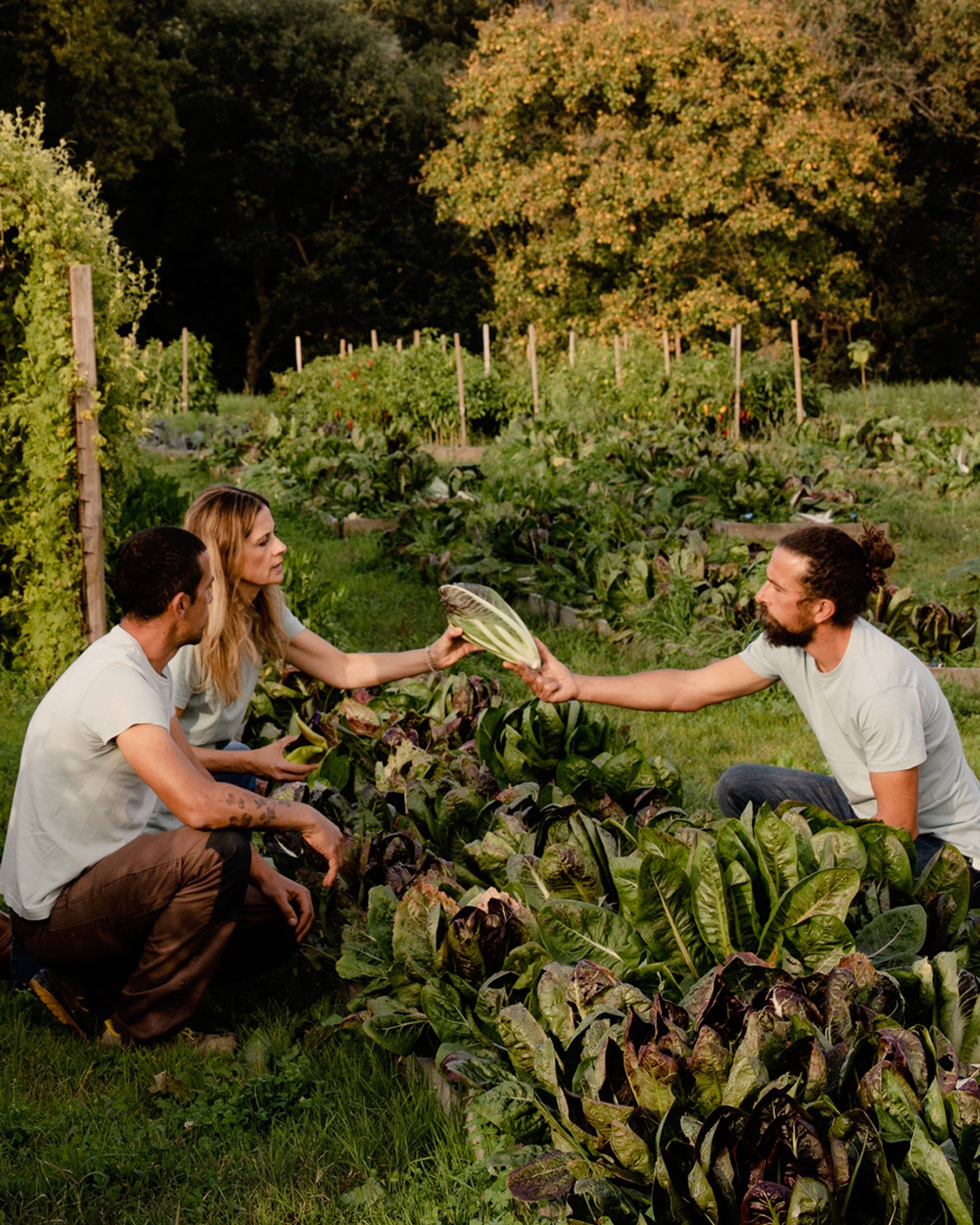
Ale, Nic & Livia, founders of Quintosapore. Photography by Marco Valmarana @marcovalmarana
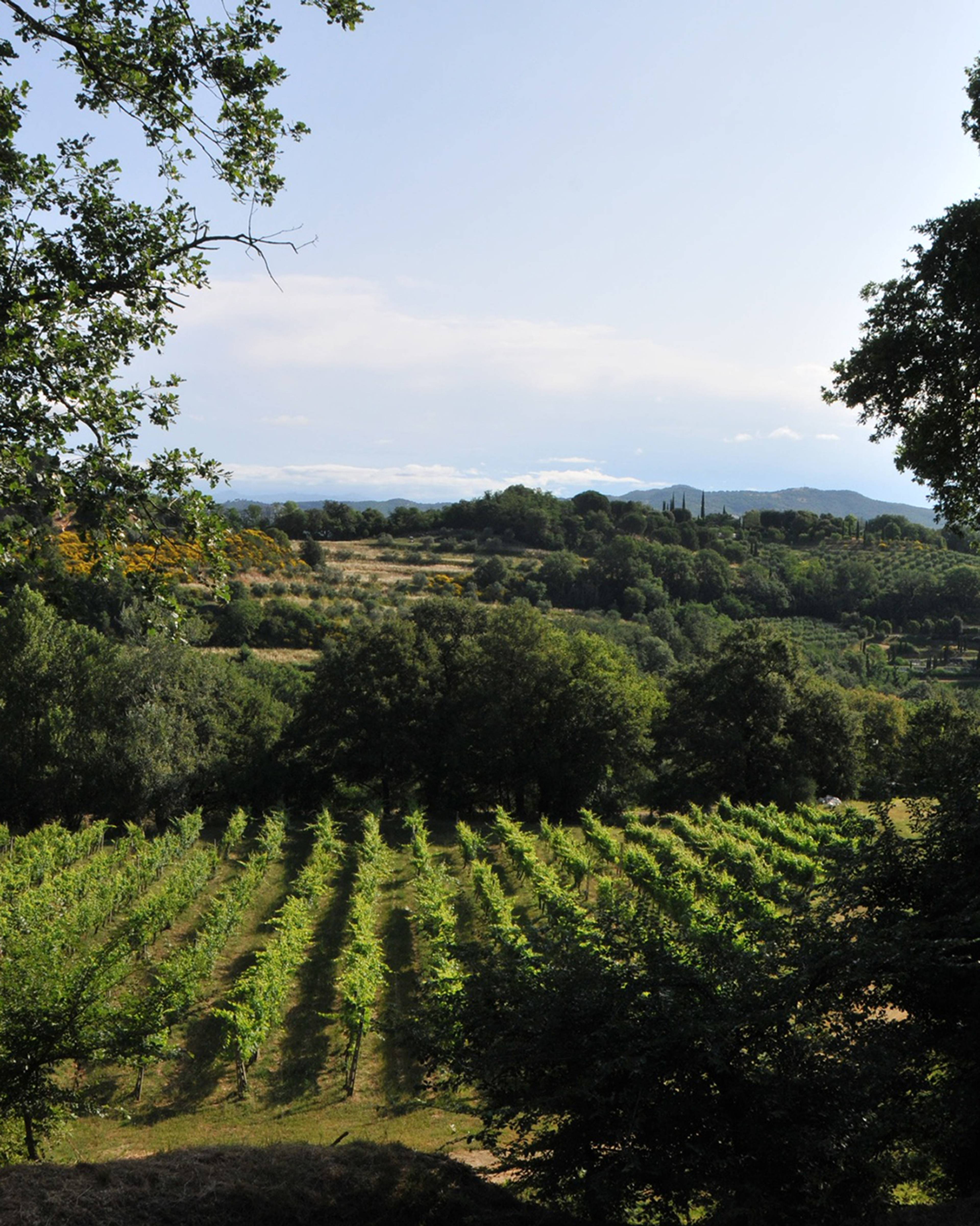
At their biomimic farm in Umbria, the team behind Quintosapore are exploring how the loss of flavour in modern food begins in the soil itself.
Founded by siblings Alessandro, Nic, Livia and Caterina, Quintosapore was born from a desire to rebuild the living systems that industrial agriculture has steadily simplified.
Working across regenerative, biodynamic and agroforestry practices, they grow more than 1,500 varieties of vegetables while treating the farm as an evolving ecosystem.
For Quintosapore, flavour is not something engineered after harvest. It’s the result of biodiversity, healthy microbial life and farming in rhythm with the seasons.
In this conversation, Ale and Nic reflect on the failures of modern agriculture, the meaning behind their name “the fifth flavour”, and why truly nourishing food can only come from living soil.
Tell us about Quintosapore – who’s behind it and what inspired it?
We founded Quintosapore along with our two sisters Livia and Caterina. We all share a passion for the countryside, good food and Citta della Pieve – where our parents started building their retirement home more than 40 years ago,
Back in 2019, the land near our home was for sale. The four of us thought “why not buy it and maybe one day we’ll all retire here too and be farmers!”. Then in 2020, when lockdown hit, our lives changed completely.
We set up Quintosapore as an experimental farm, but also as a long-term research project. From the beginning, the goal has been to rebuild a complete ecosystem — not just cultivate crops, but regenerate soil, restore biodiversity, and ultimately create food that truly reflects the land it comes from.
What did you feel was missing from agriculture that led you towards this way of growing?
What we felt was missing was life.
Today, even the most beautiful produce has lost something essential: flavour, depth, vitality. Natoora knows something about this! And Franco Fubini’s book In Search of the Perfect Peach dives deeper into this.
Modern agriculture has become incredibly efficient, but in the process it has simplified everything — the soil, the crops, even the flavours. It’s built around yield and uniformity, but it often ignores the complexity that makes food truly nourishing.
When you look closely, the real loss is underground. The soil has been treated as a medium to hold plants upright, rather than a living ecosystem. And once you lose that microbial life, you also lose the depth of flavour, the nutritional value, and the resilience of the plant itself. So for us, the question wasn’t just how to grow better food, it was how to rebuild that living system from the ground up.
Since the beginning of Quintosapore, we’ve questioned the agricultural system behind what we eat. We didn’t want to just grow food, we wanted to understand why food had changed, and whether it was possible to bring it back to what it once was.
"Modern agriculture often prioritises shelf life, appearance, and productivity over everything else. The result is food that looks perfect, but tastes increasingly flat... Flavour isn’t something you can add later. It’s built from the beginning."
Is there a story behind the name Quintosapore?
Yes! Back in the day, before becoming a farmer, Alessandro was working in Rome in the movie industry as a producer, actor and writer, and he had a project called Quintosapore, which is Italian for ‘fifth flavour’.
Traditionally, we talk about four main flavours or tastes (sweet, salty, sour, and bitter), and the ‘fifth flavour’ is something more elusive - it’s that depth, that complexity that makes you pause when you taste something and realise there’s more going on.
For us, it represents everything that cannot be engineered or added artificially. It comes from healthy soil, biodiversity, and time. It’s the expression of a complete ecosystem.
How would you define true flavour?
This answer lies in Franco’s book! You know, we have it in our bookshelf at the farm. He couldn’t have described it better. True flavour is a reflection of the environment the food comes from – the soil, the climate, the biodiversity around it, even the way it’s grown and harvested.
It’s not just intensity, it’s complexity. It evolves as you taste it.
Modern agriculture often prioritises shelf life, appearance, and productivity over everything else. The result is food that looks perfect, but tastes increasingly flat.
Flavour isn’t something you can add later. It’s built from the beginning, in the soil. If the system is simplified, the flavour will be too.
Can you describe a moment when the land surprised you with flavour?
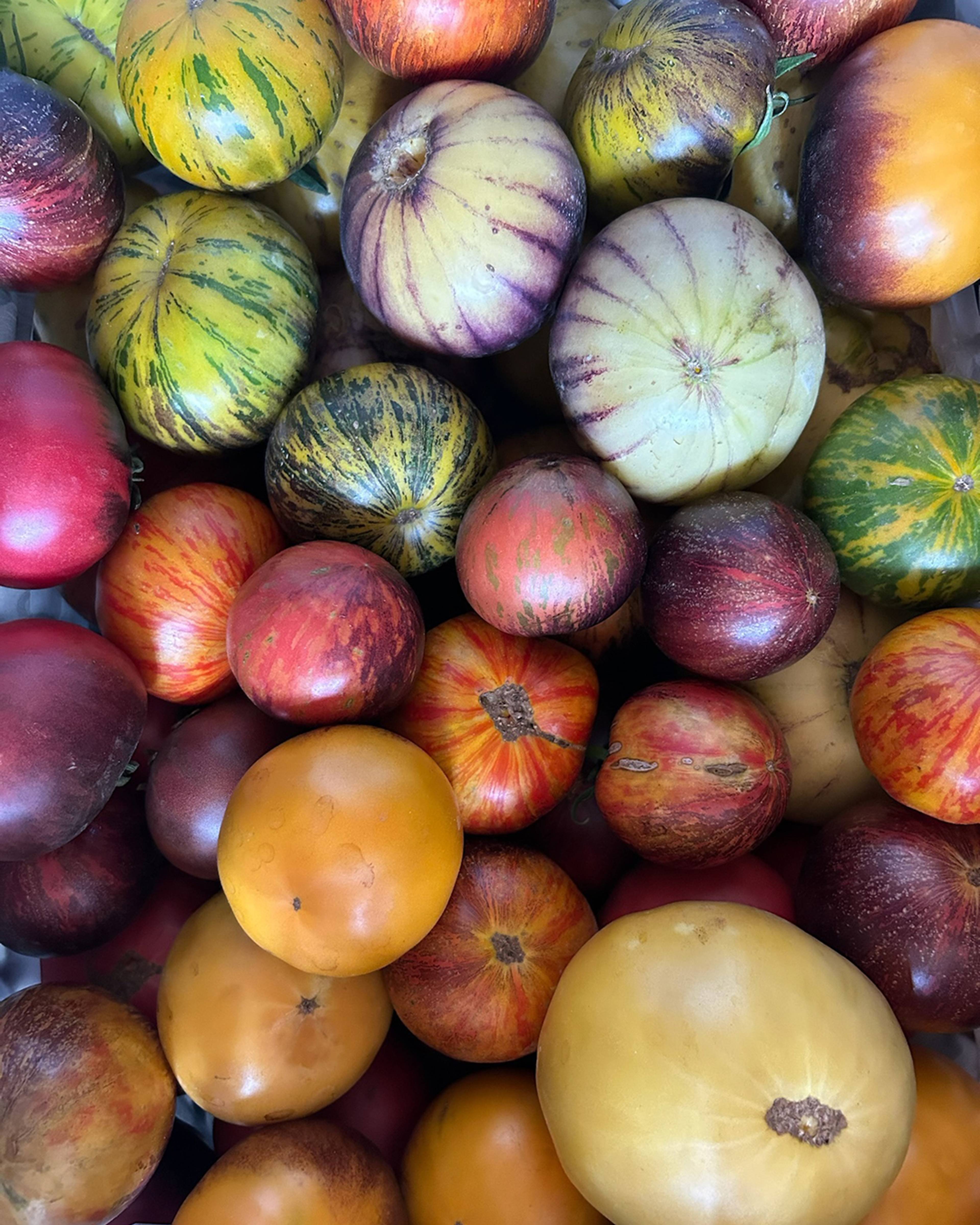
There have been many, but one that stands out is tasting a tomato straight from the field after we had spent a few years regenerating the biosphere in that area.
It wasn’t just “good”, it had layers. Sweetness, acidity, but also something deeper, almost savoury, that lingered. It felt complete.
What surprised us wasn’t just the flavour itself, but the fact that it came without forcing anything with no inputs or manipulation. Just the result of a healthier ecosystem expressing itself.It was one of those moments where you realise the land already knows what to do, you just have to create the conditions.
"Resilience is all about listening to nature and how it adapts."
What does seasonality look like on your farm and why is it important to the way you work?
Seasonality guides everything we do and keeps us aligned with the ecosystem. It forces us to listen to nature, to adapt, and ultimately to grow food that is a true expression of that process and comes out at a specific moment in time.
We don’t impose a fixed production schedule, we follow the natural rhythms of the farm. That means accepting abundance at certain moments and scarcity at others. It also means that every harvest is slightly different, because each season carries its own conditions. And we thrive from that uncertainty as it defines the work we do in partnership with nature.
You combine regenerative, biodynamic, agroforestry, and biomimicry techniques. How do these come together in practice?
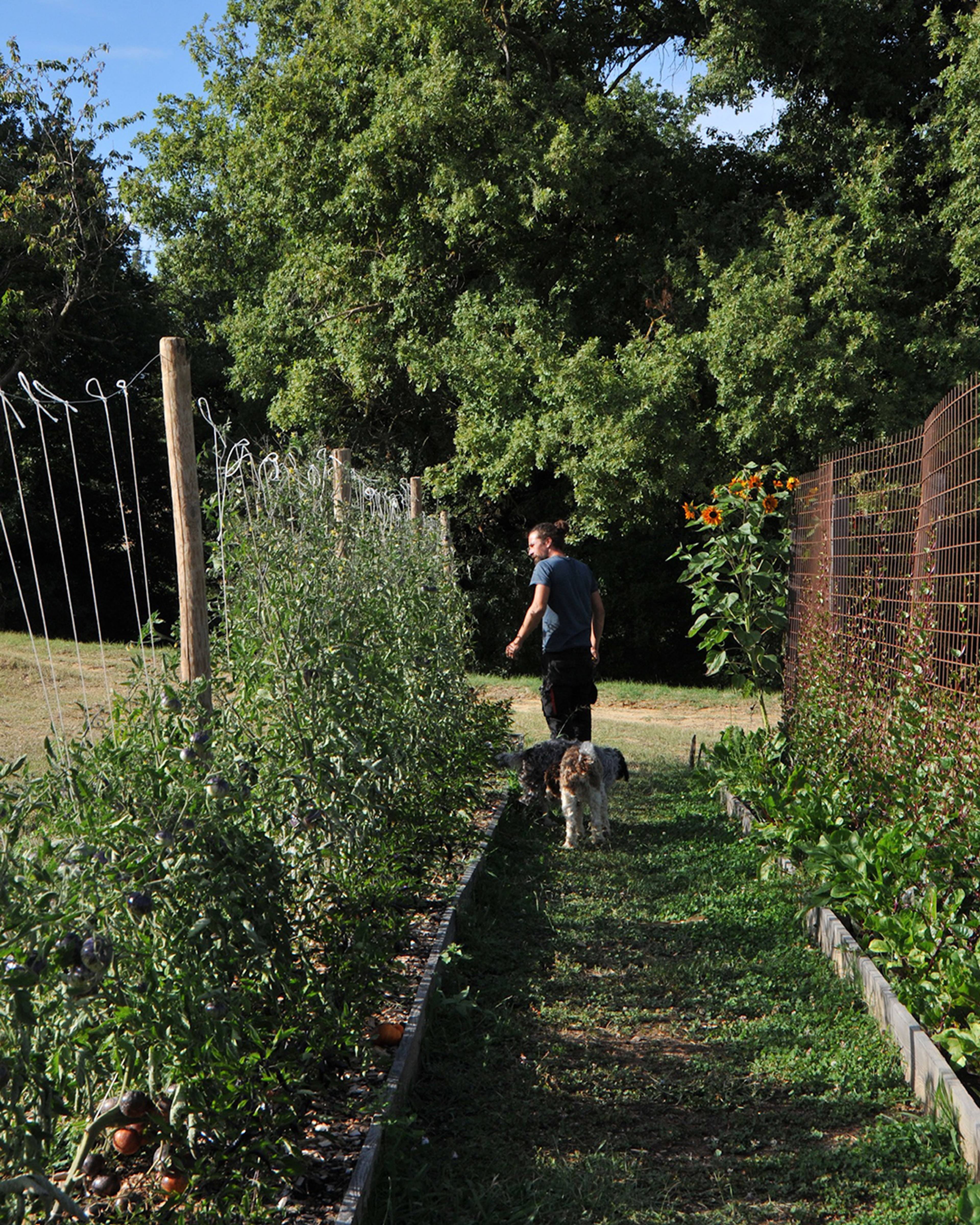
We were really lucky not to come from a farming background as it meant we had no dogmatic approach to agriculture. We call it biomimic farming, which is a concept that involves emulating and incorporating natural processes and systems into farming environments, drawing inspiration from nature’s efficient and sustainable methods of producing food.
We do it with a unique mix of organic, regenerative, biodynamic, agroforestry, effective microorganisms, biochar and quantum physics techniques so we can replicate the diversity found in natural ecosystems to create resilience and balanced farm environments to adapt to climate change.
This approach eliminates the reliance on chemicals, promotes organic and regenerative farming techniques, and aims to increase yields while preserving the health of the land. Over time, these elements start to reinforce each other, and the system becomes more stable and self-regulating.
What happens between harvest and jar that most people would never think about?
Hours and hours of love! From autoproducing all our seeds, to planting them, growing the vegetables, caring for them, harvesting by hand, developing the recipes, cooking, jarring, labelling… There are so many hours and so much love, sweat and laughter.
Even in the kitchen, the goal is not to transform the ingredient, but to preserve its integrity. Sometimes that means using very few ingredients. Often just the vegetable itself, with minimal seasoning.
There’s also a lot of attention to small details: temperature, timing, even how the ingredient is handled physically. All of this is to make sure that what ends up in the jar is as close as possible to what was in the field!
What does a typical day look like for you on the farm?
Not sure we have a typical day, but that’s part of the beauty of it.
We spend so much time in the fields, but also in the kitchen lab testing, tasting and refining. We also have many days where we work mainly on our Soil-to-Fork Farm and Dining Experiences, taking guests to visit the farm, talk about the work we do, cooking a beautiful lunch for them and chatting. We have a few days where we teach students who come for farming classes, too.
You’ve mentioned you’re working to ‘create a stable growing environment in an unstable climate.’ What does resilience look like on your farm today?
Resilience is all about listening to nature and how it adapts. Because it always does, eventually. You can support it by designing a system that evolves.
Resilience is the beauty of diversity. Instead of relying on a single crop or a simplified system, we try to create a wide range of species and interactions so that if one element struggles, the others compensate. And support the soil in a way that can retain more water and support more microbial life.
Healthy soil is the foundation of resilience. This is why the Agroforestry or EM Technology techniques are so important in our work, they really made a huge difference to the soil.
What would need to change for this way of farming to become the norm rather than the exception?
We just finished a beautiful three days gathering at the farm with Satish Kumar and more than 70 farmers, philosophers, writers, artists, businesses, investors and it was so energising. We all have the answers to grow and distribute food in a more socially and environmentally just way, and we ‘just’ need to become less paralysed about sharing knowledge and know-how, more bold and resourceful in uniting forces.
Do you think great flavour can drive systemic change in food?
Absolutely. Take the Quintosapore products. People who try our pasta sauce, for example, may not know the story behind it. They might not know much about soil health or biodiversity, but they understand taste! Hopefully, this leads to becoming more curious about what lies behind it. Flavour is the gateway, it connects people emotionally so it’s the perfect driver of change.
When someone opens one of your jars in London, far from your fields in Umbria, what do you hope they taste, feel or experience?
Our love for nature and for them.
What’s one ingredient from your farm right now that beautifully expresses Quintosapore?
We grow over 1500 varieties of vegetables so it's hard to choose one. Right now, we have the most incredible artichokes and pink fava beans. You should try them!
If you had to pick, is there a product in the range you’re especially excited about at the moment, something people really shouldn’t miss?
The very basic one for the most iconic Italian meal: pasta with tomato sauce. Our ready made Aglione Tomato Sauce is amazing and incredibly simple: our heritage tomatoes, our unique sweet Aglione garlic, a bit of olive oil and salt and dinner is ready!
Stories
See all
We exist to fix the food system.
People are more cut off from the origins of their food than ever. This makes flavour, nutrition and farming practices that protect the planet, almost impossible to find.
By working directly with growers, we create a more sustainable way forward for farming. By giving everyone the tools to understand the power of our food choices, we empower everybody to become drivers of change.
Now is the time for action. Join the food system revolution.

Go beyond four seasons
Each fruit and vegetable has its own season, with subtle shifts which happen every day. Follow their microseasons to unlock flavour at every stage.
WHAT’S IN SEASON?

Know where your food comes from
We know the name of the people behind everything we source. Recognise their growing artistry to find out exactly where your food comes from (and why that matters).
MEET THE GROWERS

Make your diet diverse
Our growers work with varieties chosen for quality and nutrition, not yield. By selecting their crops you keep heritage seeds in play, add to ecosystem biodiversity and preserve unique flavours.
PEAK SEASON BOX
United Kingdom
© 2026 Natoora Ltd.