How two chefs in Amsterdam are turning waste into value
"Food waste and flavour aren't opposites, they can be the same thing. We want chefs and home cooks to think differently about what waste means in a kitchen."
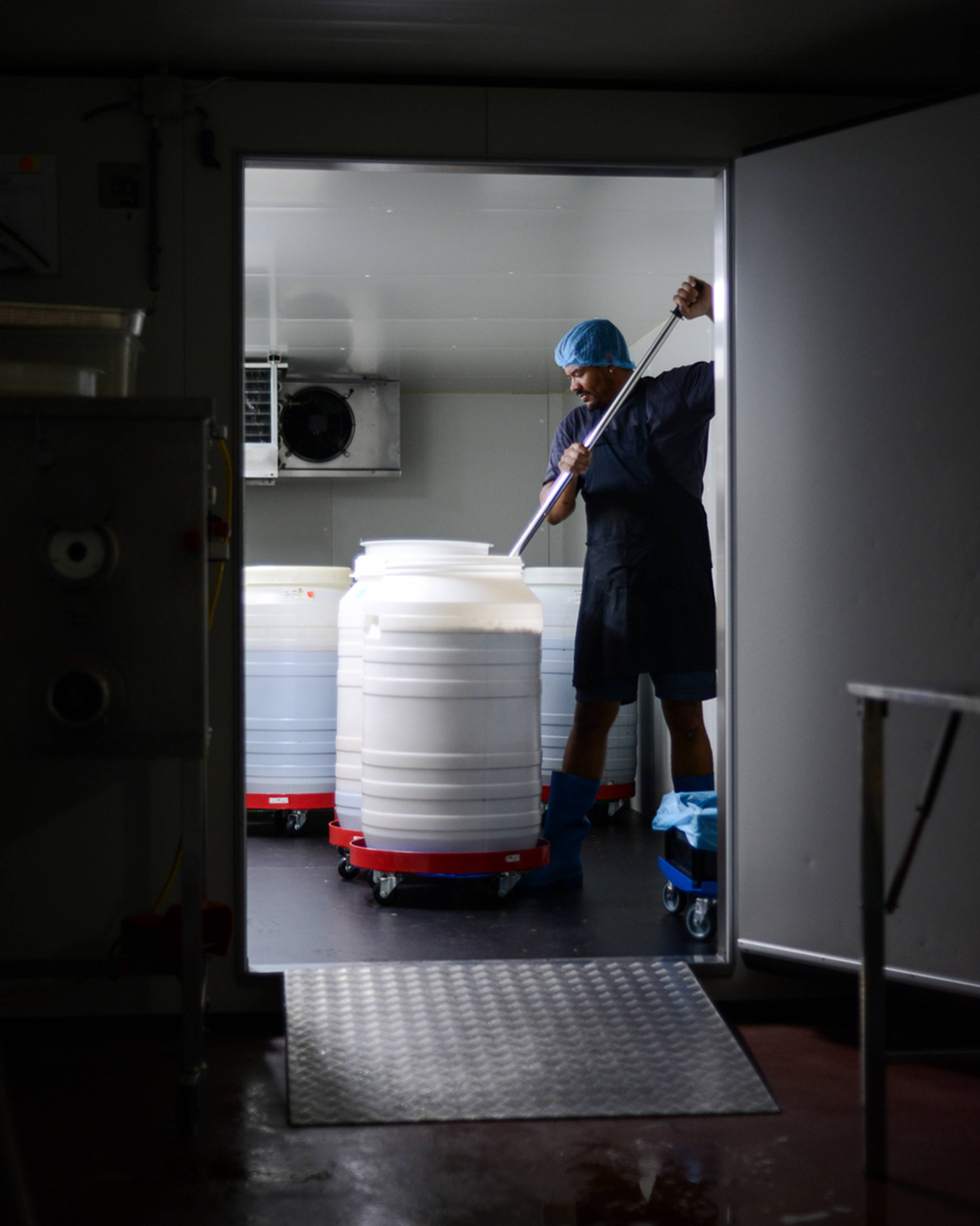
Inside the Michelin-starred kitchen of Choux in Amsterdam, chefs Merijn van Berlo and Maarten Bezem kept noticing the same thing – perfectly good ingredients leaving the kitchen as waste.
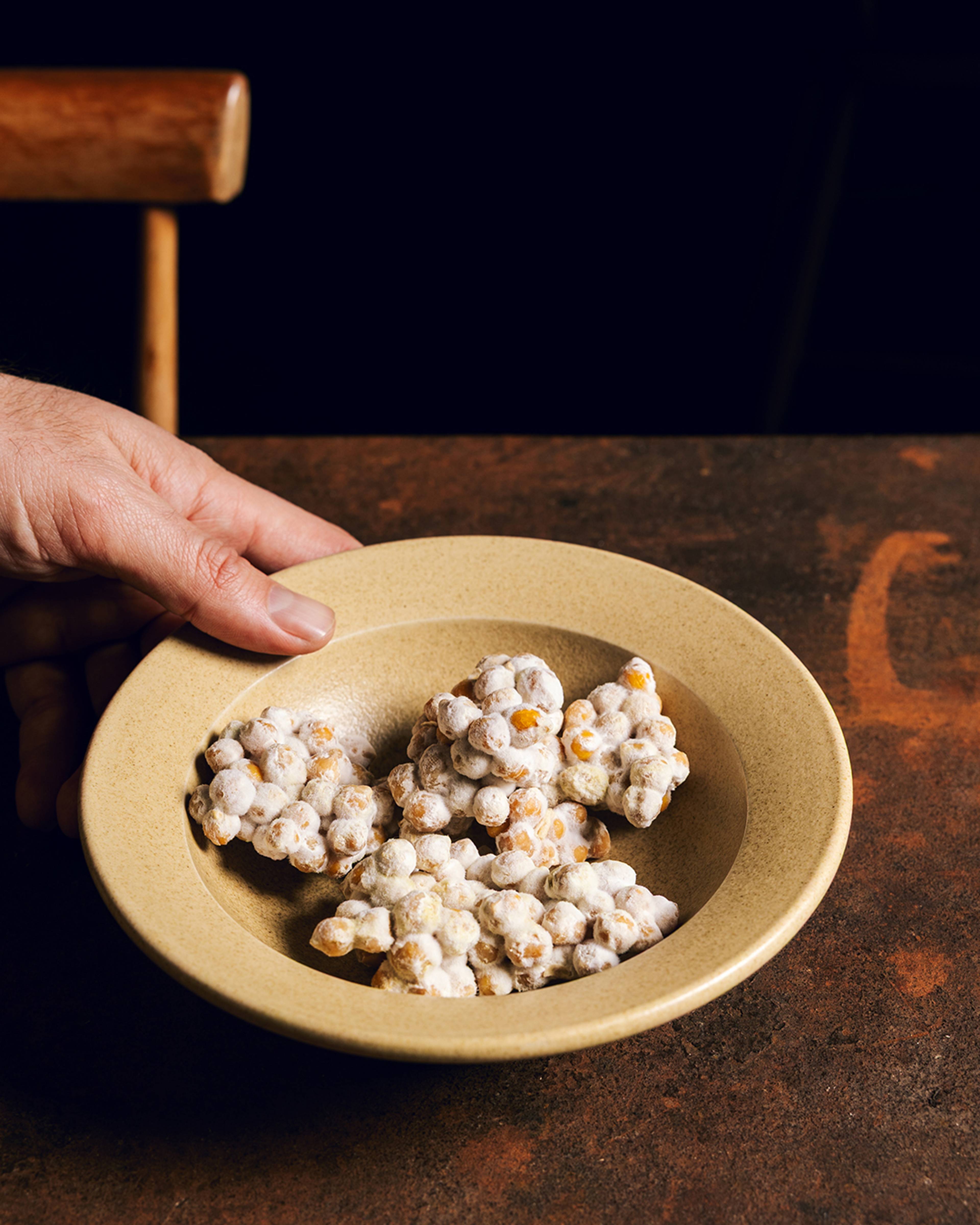
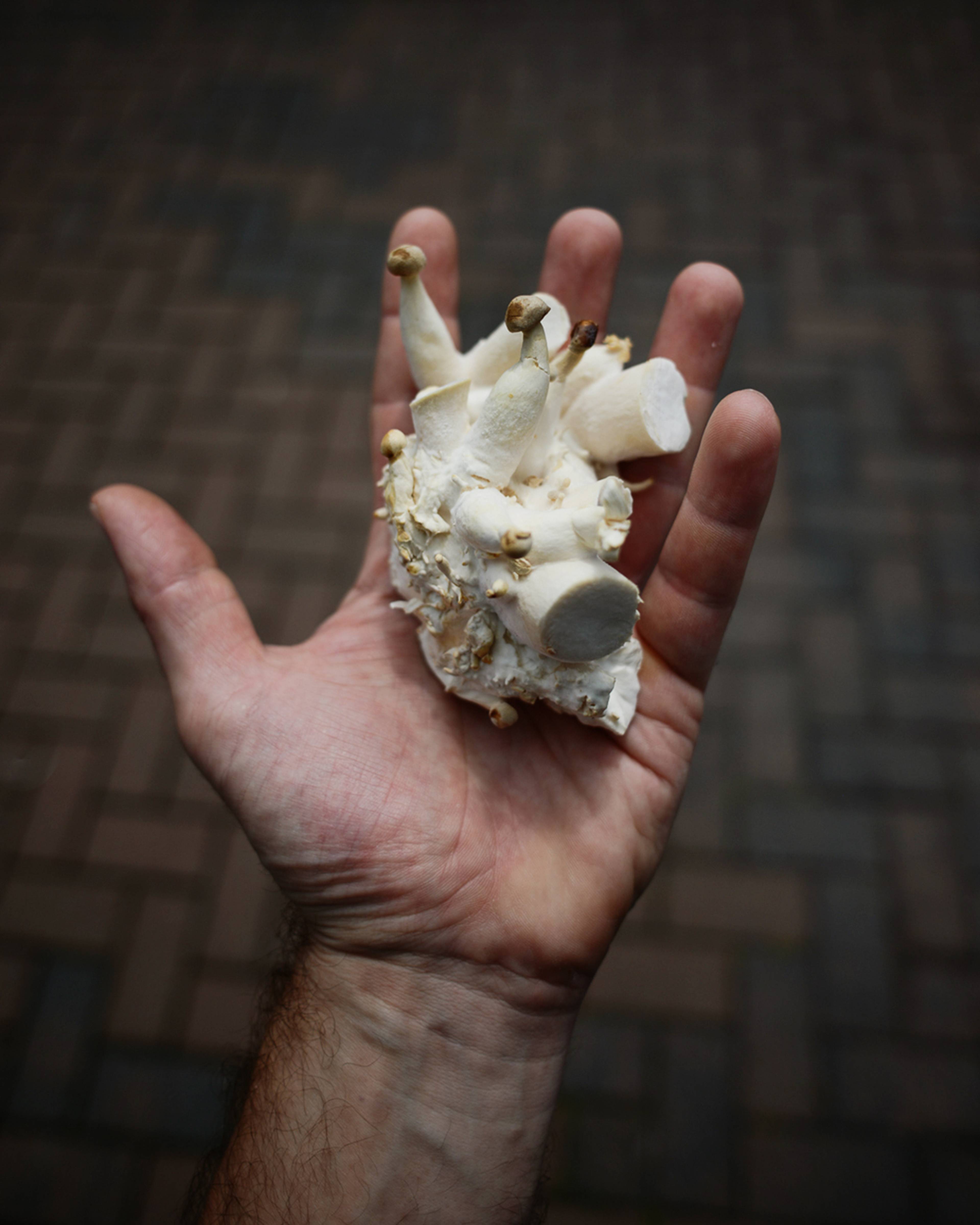
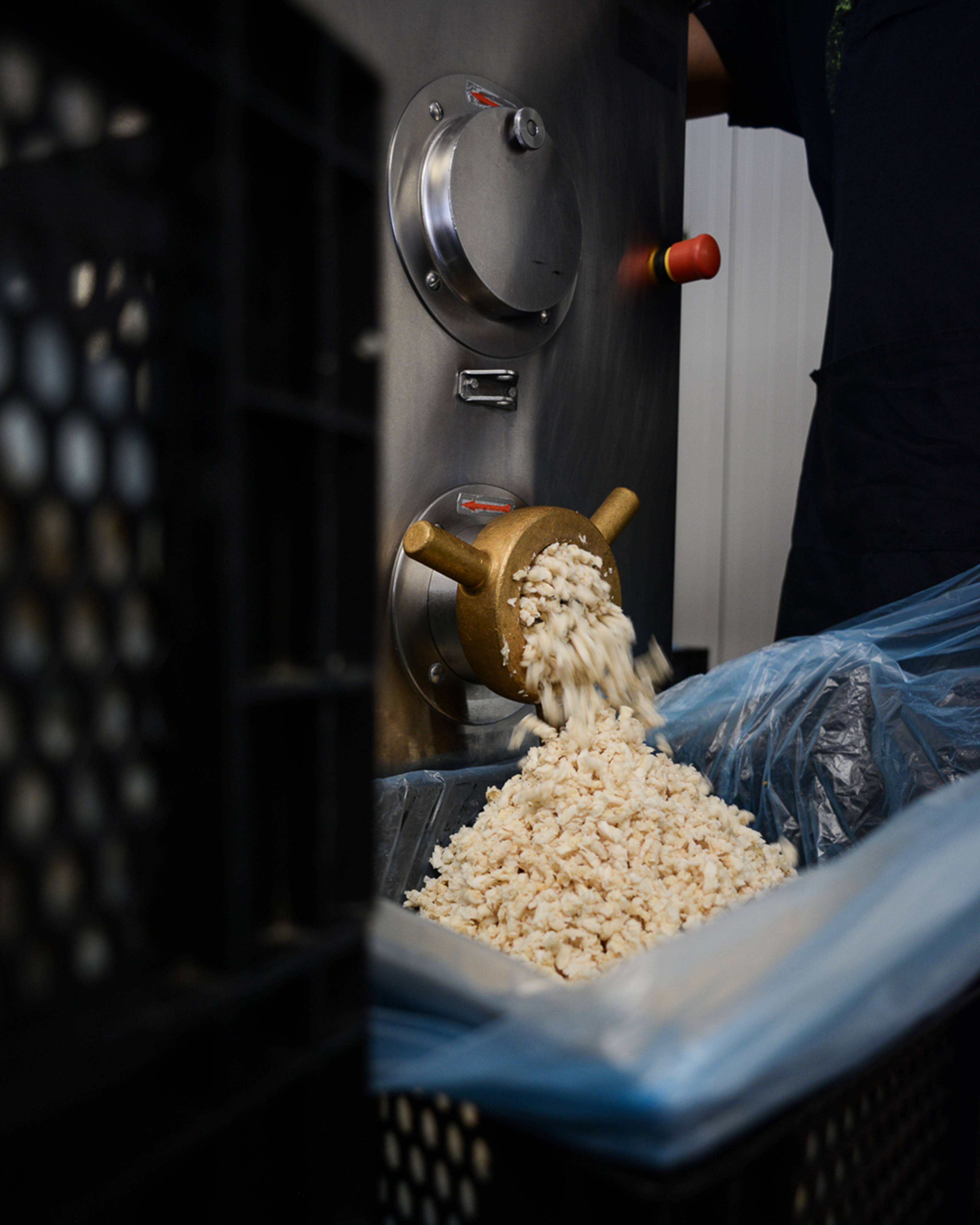
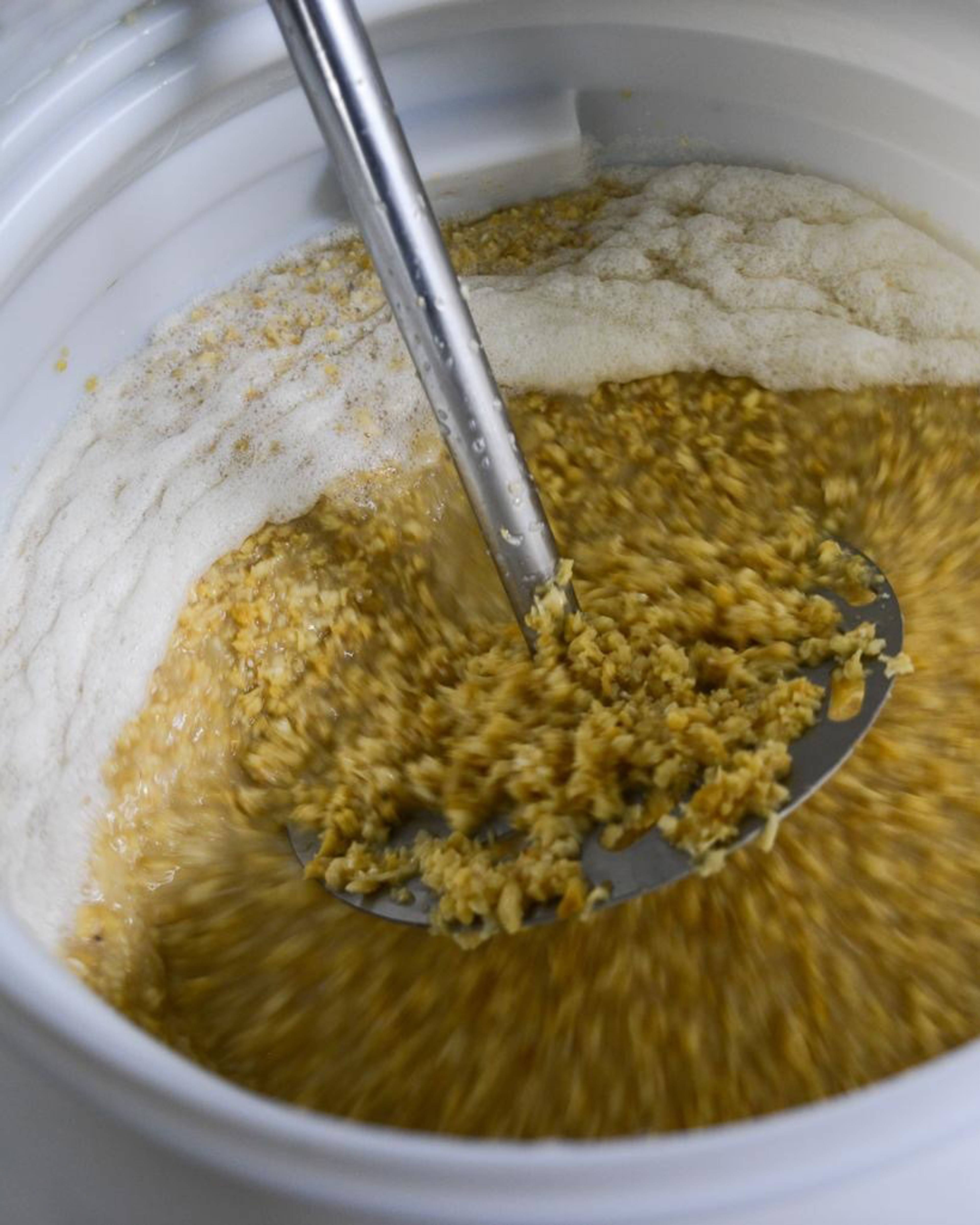
Not scraps beyond saving, but high-quality beef trimmings, surplus mushrooms and other by-products with untapped potential. Rather than accepting that waste was inevitable, they began experimenting with slow koji fermentation to transform these overlooked ingredients into deeply savoury, all-purpose seasonings.
"Enormous volumes of high-quality ingredients were being discarded every week,” Merijn explains. "So, we started experimenting as a way to turn those streams into something with real culinary value."
What began as a side project has since grown into 621 Ferments, a company dedicated to proving that the ingredients we tend to throw away can become some of the most delicious.
"In a professional kitchen like ours, you try to waste nothing and respect an ingredient at every stage of its life, not just at its peak."
MERIJN VAN BERLO
This philosophy of respect, along with Merijn and Maarten’s shared passion for sustainability, defines 621 Ferments and the unique products they create, with every bottle beginning with the same two questions. What would otherwise be wasted and what can fermentation turn it into?
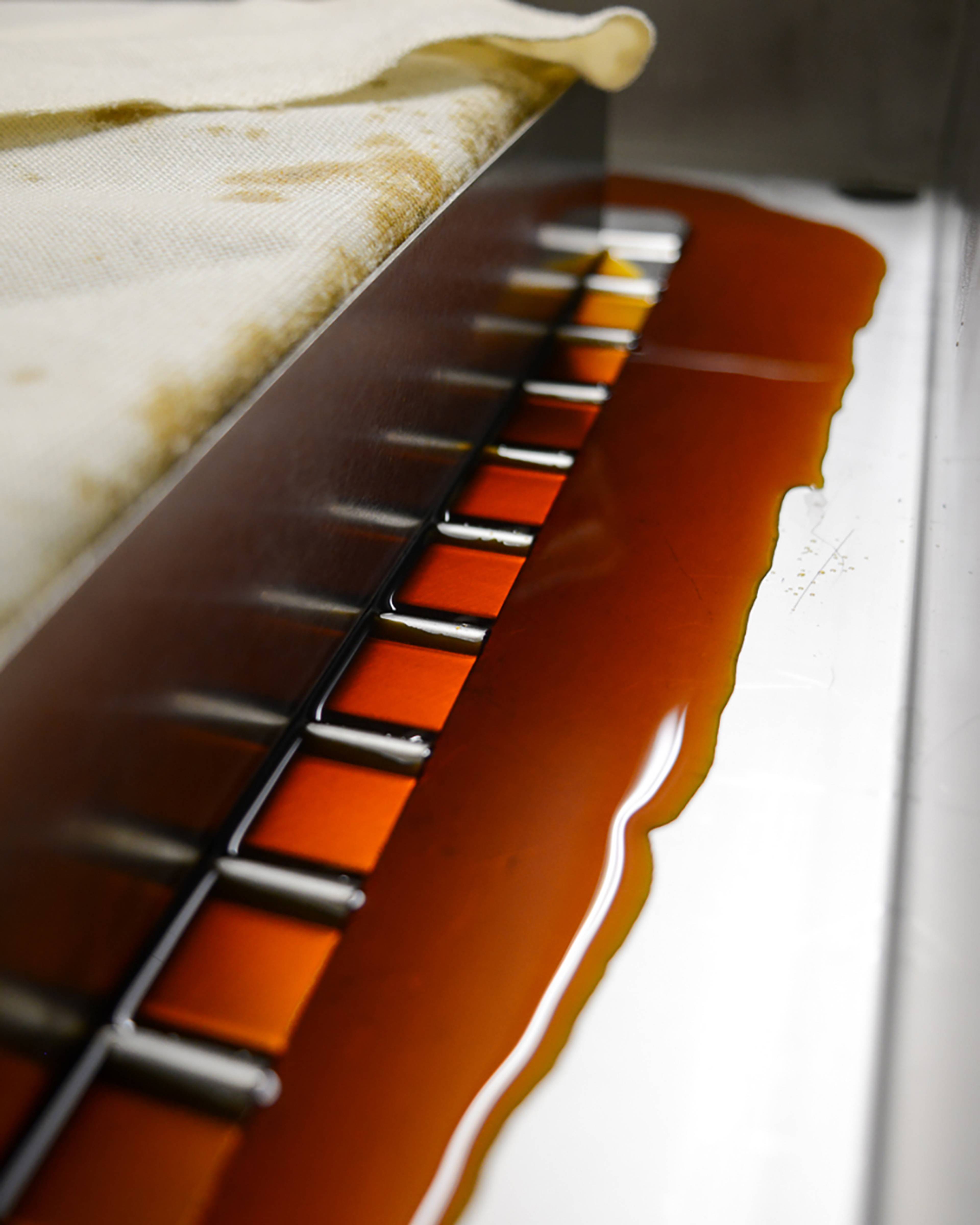
By combining traditional fermentation techniques with leftover ingredients, they produce natural flavour enhancers, known as garums, that add depth to everything from vegetables to meat, while reducing waste along the way.
Garum, the SEASONING of ancient Rome
It’s likely you’ve heard of fermented foods like miso, kimchi, kefir and kombucha.
But what about garum?
Less familiar than its counterparts, garum has quietly been adding depth and umami to dishes for centuries. In fact, you've likely tasted something similar before, even if you didn't know it.
“People are often surprised that garum has such a long culinary history, tracing back to Roman times, and how versatile it is once they realise it’s not a one note condiment.”
Garum has been prized as a seasoning for thousands of years. In fact, along with other similar fish-based sauces, it was essentially the ketchup of the ancient world, mass produced in factories by the Romans and sprinkled on almost anything savoury.
Traditionally, it was made by fermenting fish with salt, allowing naturally occurring enzymes to break down proteins into amino acids and create an intensely savoury liquid rich in umami (that rich, meaty, and mouth-filling fifth flavour that lingers on the tongue).
Modern fermentation has expanded on the process, and today, producers like 621 Ferments are pioneering new and exciting amalgamations.
Their range reflects this same spirit of experimentation. Beef Garum, for example, comes from the silverskin and connective trim of dry aged Gasconne beef. Then there’s the Smoked Chicken Garum, made using the carcasses of Oranje Hoen chickens, smoked over birch wood for real depth of smoke. Meanwhile, the Roasted Chicken, Leek and Tarragon Garum was developed together with Joris Bijdendijk of restaurant Rijks. Shrimp Garum, on the other hand, is made from the heads of North Sea shrimp that haven’t been sulfited, keeping the process as clean as the ingredient itself.
The result is the same principle that made garum a beloved cooking staple all those years ago. Concentrated flavour, produced through patience and fermentation.
How to use garum in the kitchen
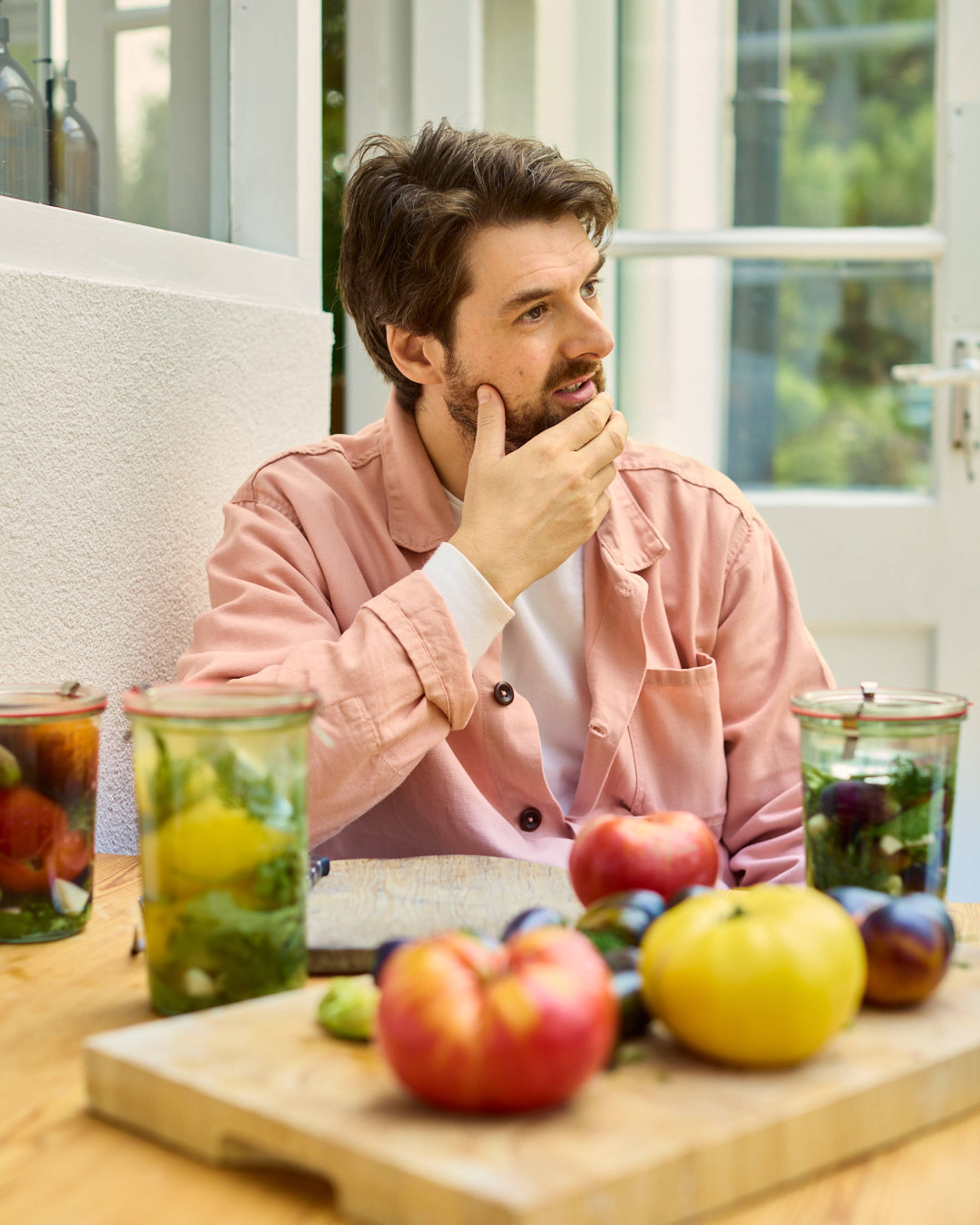
Merijn’s advice for using it at home is to start simply. "A few drops on eggs, roasted vegetables or a bowl of rice will show what it does immediately. It's an easy substitute anywhere you'd normally reach for soy sauce or fish sauce, just used more sparingly."
Unlike a finishing sauce, garum works more like salt. A small amount is enough to deepen flavours, balance dishes and bring savoury complexity without overpowering the ingredients.
"In home cooking, time is often the biggest challenge," Merijn says. "Our garums are a simple way to build flavour naturally, without adding anything unnecessary."
Whether stirred into soups and stews, whisked into dressings or added to roasted vegetables, a few drops are often all that's needed to transform a dish.
IN CONVERSATION WITH MERIJN van BERLO OF 621 FERMENTS
Is there a story behind the name ‘621 Ferments’?
Yes, and it’s central to what we do. 621 is the E number for MSG. We have nothing against MSG itself, but we wanted to prove that the same umami depth can be reached in a completely natural way, with no additives and no E numbers at all. The name is a statement: everything we make is built purely on fermentation and natural ingredients. Nothing else. That same idea carries through to how the product looks. The bottles and label are designed to resemble a perfume bottle – think Chanel No 5 – because we wanted the presentation to reflect what’s inside: something premium and refined, not a rough kitchen condiment.
Sustainability isn’t just a feature of your business, it’s the foundation. What does that philosophy mean in practice, and how does it influence everything from sourcing ingredients to developing new products?
For us, this isn’t a marketing angle, it determines what we make before we even think about flavour. We start from what streams are being wasted locally and build the product around that, rather than sourcing ingredients to fit a product we already had in mind. It shapes sourcing, it shapes which partners we work with, and it shapes new product development. If something can’t be built with a waste stream in its core, it’s not a 621 product.
Could you introduce us to some of your core products? We’d love to hear how they’re made, the ingredients that go into them, and the distinct flavour profiles they bring to the table.
Every garum we make at 621 starts from a waste stream that would otherwise be discarded, transformed through slow koji fermentation. Mushroom garum is made from the trim of king oyster mushrooms, the parts normally cut away and thrown out. Beef garum comes from the silverskin and connective trim of dry aged Gasconne beef. Our black garlic is fermented in house using residual heat from our fermentation process, nothing goes to waste even in the way we generate warmth for it. Smoked chicken garum uses the carcasses of Oranje Hoen chickens, smoked over birch wood for real depth of smoke. Roasted chicken, leek and tarragon garum was developed together with Joris Bijdendijk of restaurant Rijks. And shrimp garum is made from the heads of North Sea shrimp that haven’t been sulfited, keeping the process as clean as the ingredient itself.
Garum has a fascinating culinary history, yet it’s still quite unfamiliar outside professional kitchens. What are some of the most common questions or misconceptions you hear when people first encounter your garums?
Most people’s first association is fish sauce, so we spend time explaining that garum is a much broader category and that ours is built from different waste streams, not just fish. People are often surprised it has such a long culinary history going back to Roman times, and also surprised by how versatile it is once they realise it’s not a one note condiment.
For chefs using your products for the first time, what advice would you give? Are there particular dishes, ingredients or techniques that best showcase what they can do?
Treat it like you would salt: a seasoning tool, not a sauce to pour on. A small amount goes a long way in building depth in a dish. It works especially well finishing proteins, vegetables, and in marinades where you want umami depth without adding sweetness or heaviness.
Just be open to trying new things and experiment a bit. Soon you’ll find out it goes with anything, even ice cream.
What do you hope chefs and home cooks take away from working with your products?
That food waste and high quality flavour aren’t opposites, they can be the same thing. We want chefs and home cooks to think differently about what waste means in a kitchen.
Finally, what’s next for 621? Are there any new products, projects or ideas you’re particularly excited to explore?
We’re now applying the same principle to our own waste streams, the byproducts of our own fermentation process. We’re developing an umami salt, a Dutch style curry paste, and a trassi (fermented shrimp paste), all built from what’s left over once the garums are made, closing the loop even further on our own production. Alongside that, we’re working on a vegetable garum, and a collaboration with three star restaurant De Librije on a crayfish garum. Plenty still to come in the near future.
Stories
See all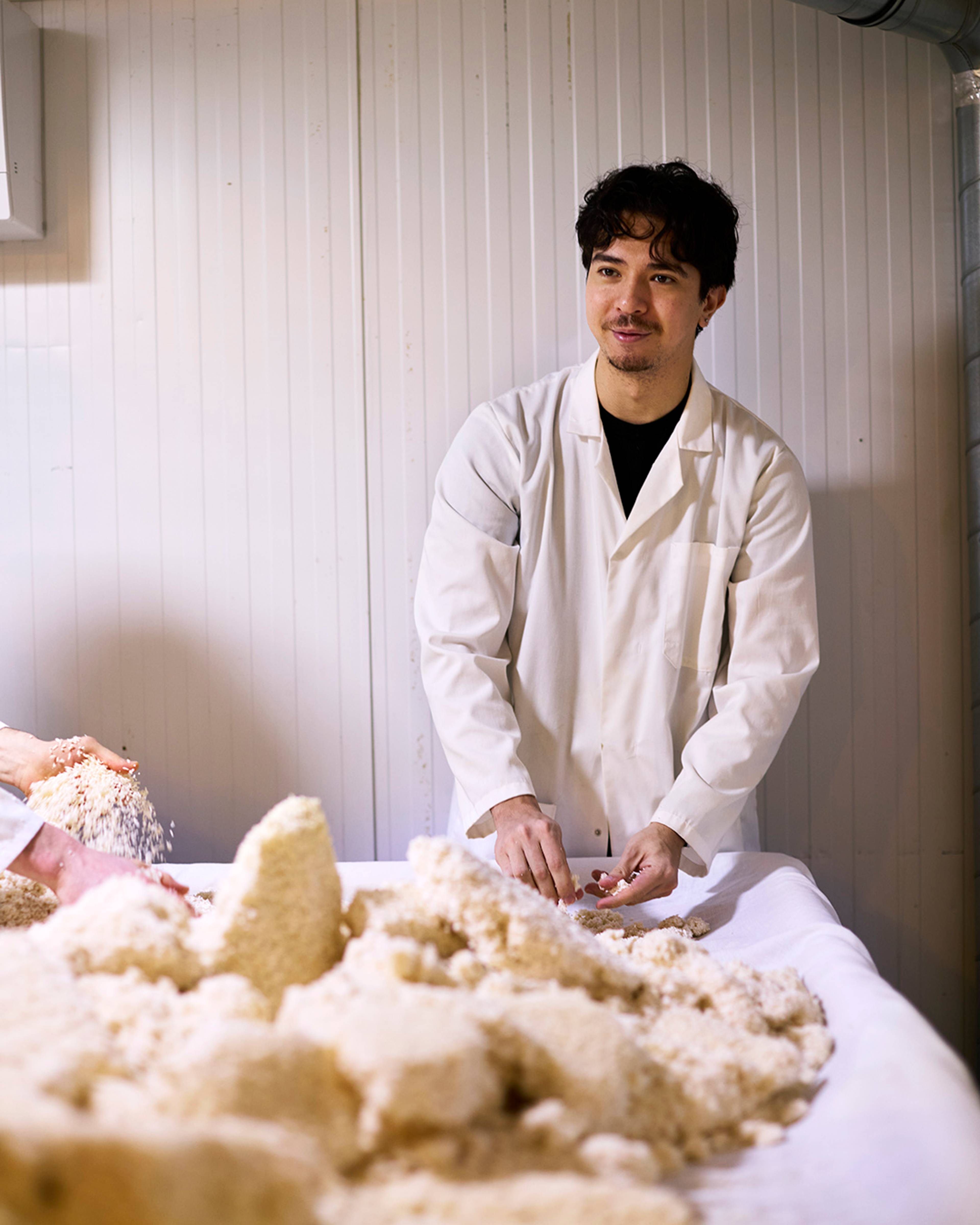
We exist to fix the food system.
People are more cut off from the origins of their food than ever. This makes flavour, nutrition and farming practices that protect the planet, almost impossible to find.
By working directly with growers, we create a more sustainable way forward for farming. By giving everyone the tools to understand the power of our food choices, we empower everybody to become drivers of change.
Now is the time for action. Join the food system revolution.

Go beyond four seasons
Each fruit and vegetable has its own season, with subtle shifts which happen every day. Follow their microseasons to unlock flavour at every stage.
WHAT’S IN SEASON?

Know where your food comes from
We know the name of the people behind everything we source. Recognise their growing artistry to find out exactly where your food comes from (and why that matters).
MEET THE GROWERS

Make your diet diverse
Our growers work with varieties chosen for quality and nutrition, not yield. By selecting their crops you keep heritage seeds in play, add to ecosystem biodiversity and preserve unique flavours.
PEAK SEASON BOX
United Kingdom
© 2026 Natoora Ltd.