RADICCHIO, NOT ROSES 2026
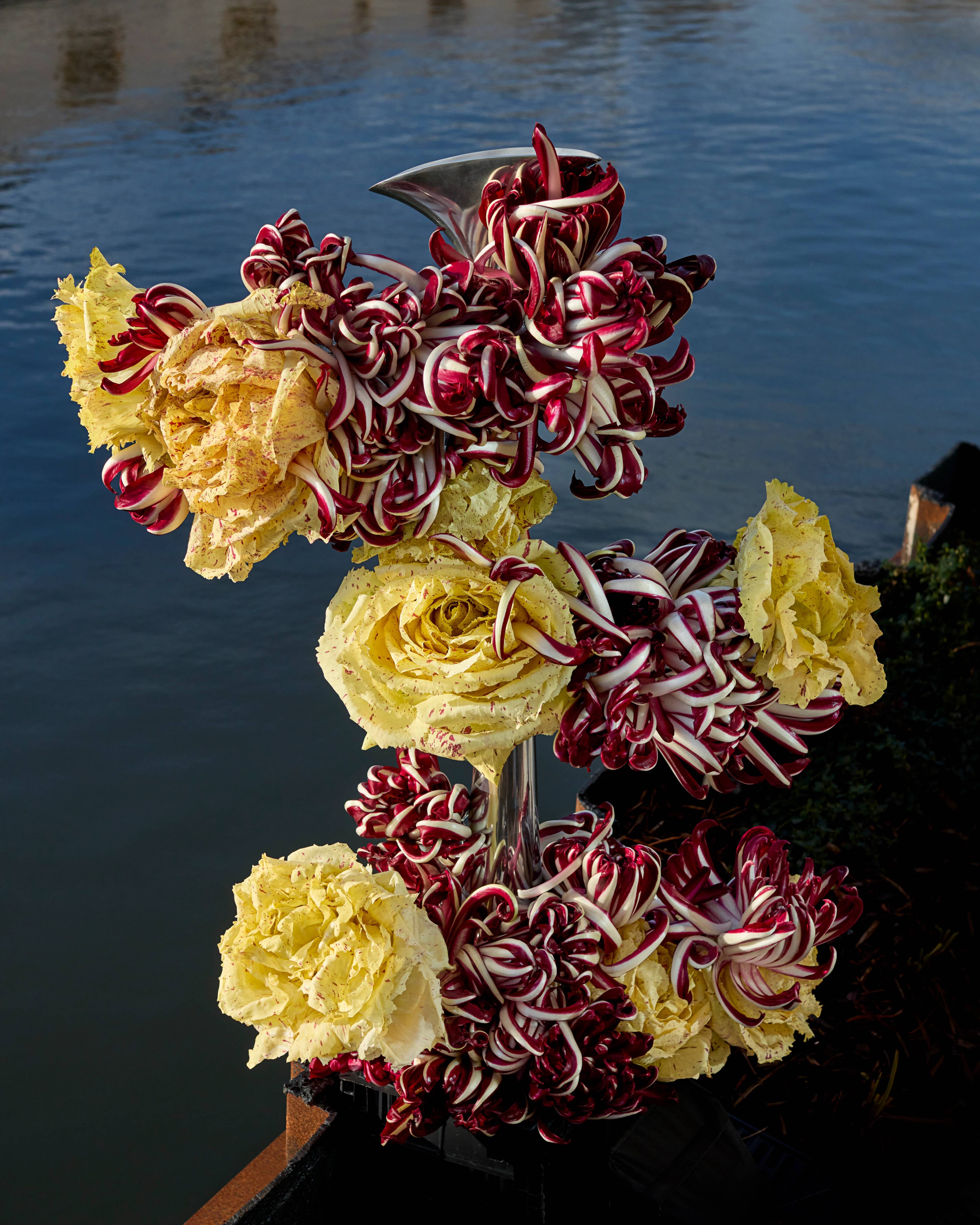
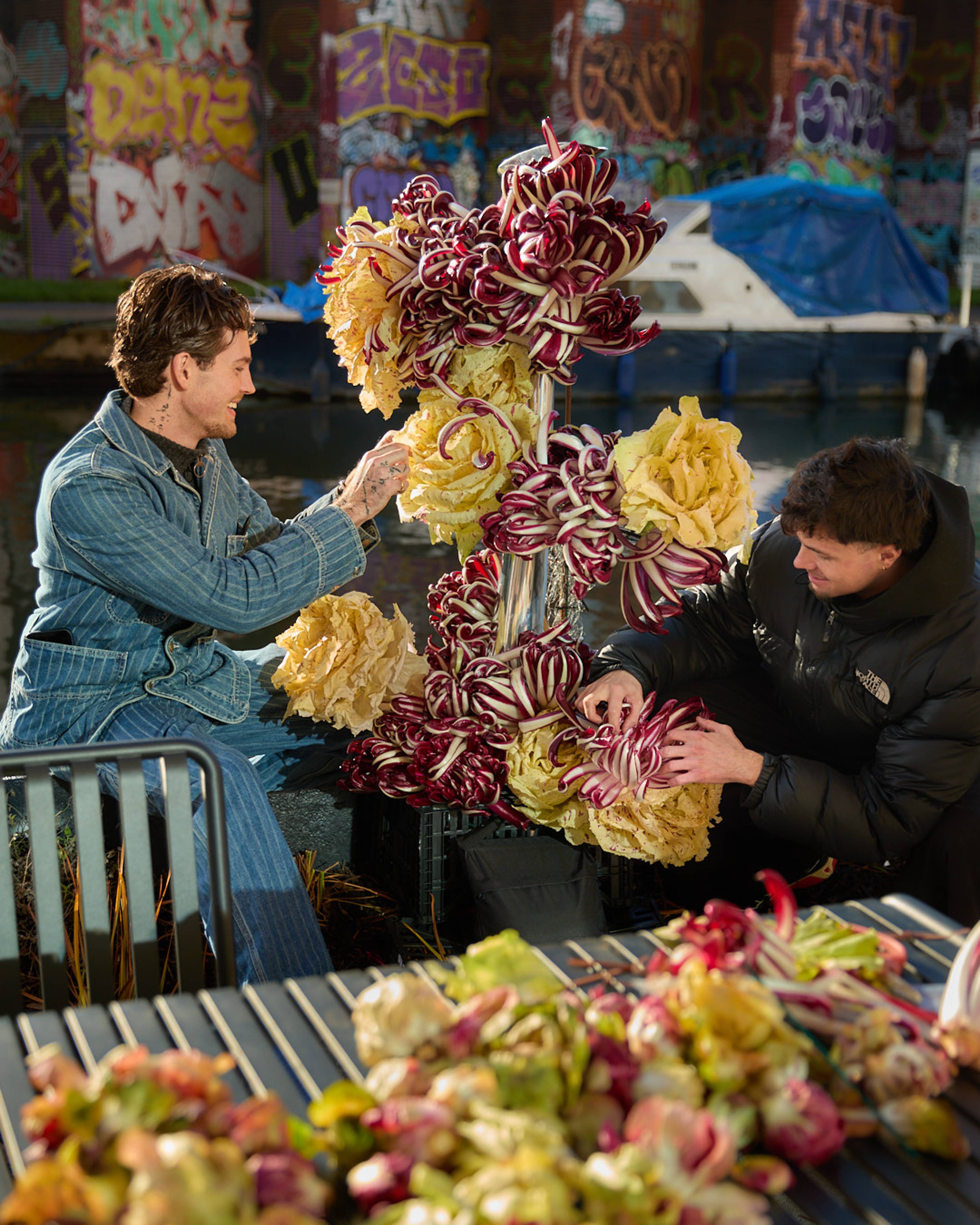
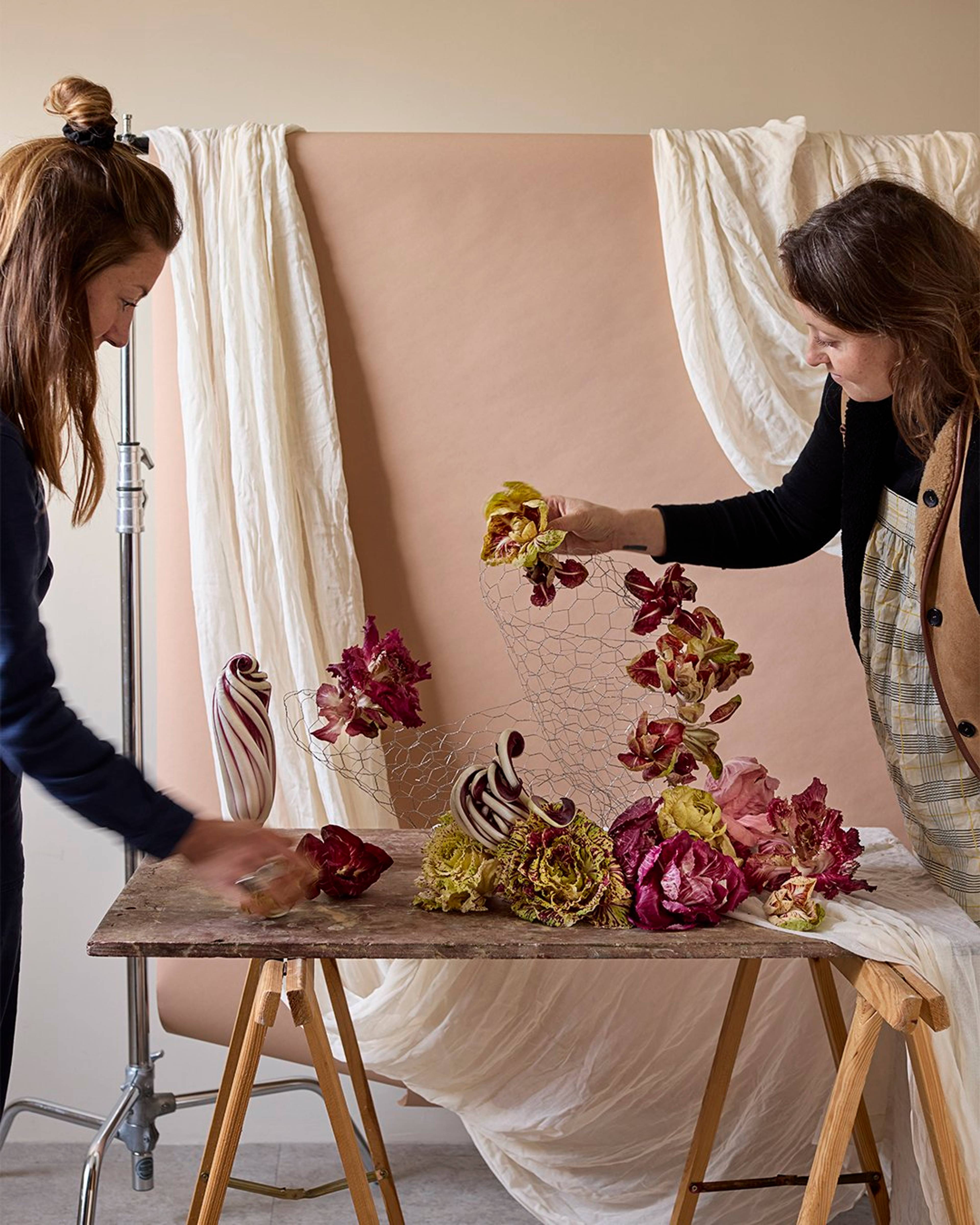
Radicchio arranged by Hamish Powell at Canal Restaurant, London.
Around 570 tonnes of roses are imported into the UK for Valentine’s Day – grown out of their natural season and often discarded within days. This year, fall for what’s growing. Choose Radicchio, not Roses.
We’re championing seasonality by inviting you to choose an alternative to roses. Radicchio. A better kind of bouquet, one you can admire and eat.
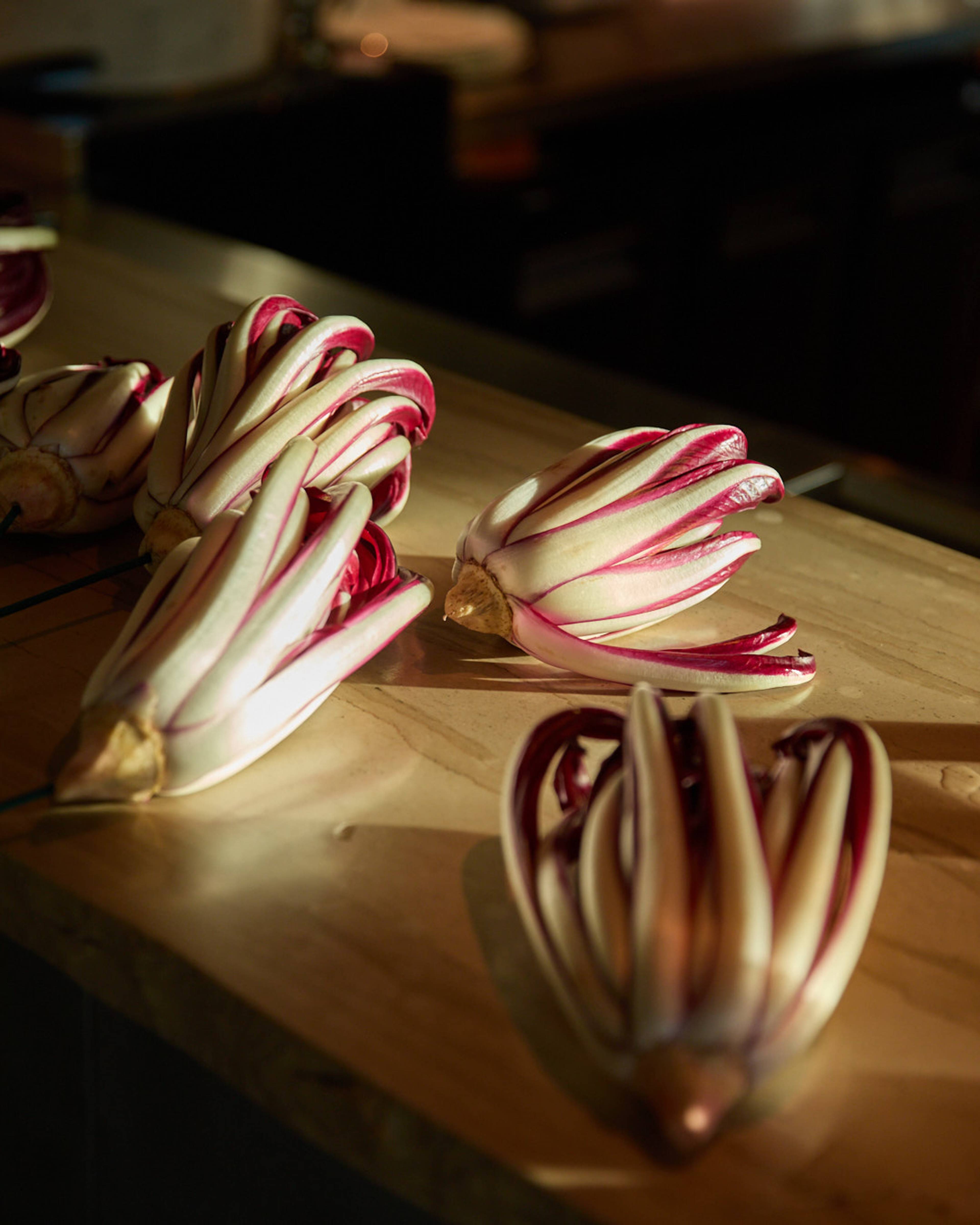
Hand-grown in Veneto, northeastern Italy, Radicchio is at its peak right now. This nutrient-rich member of the chicory family is loved as much for its beauty as for its flavour.
Worthy of admiration and delicious on the plate.
WORKING WITH NATURE, NOT AGAINST IT
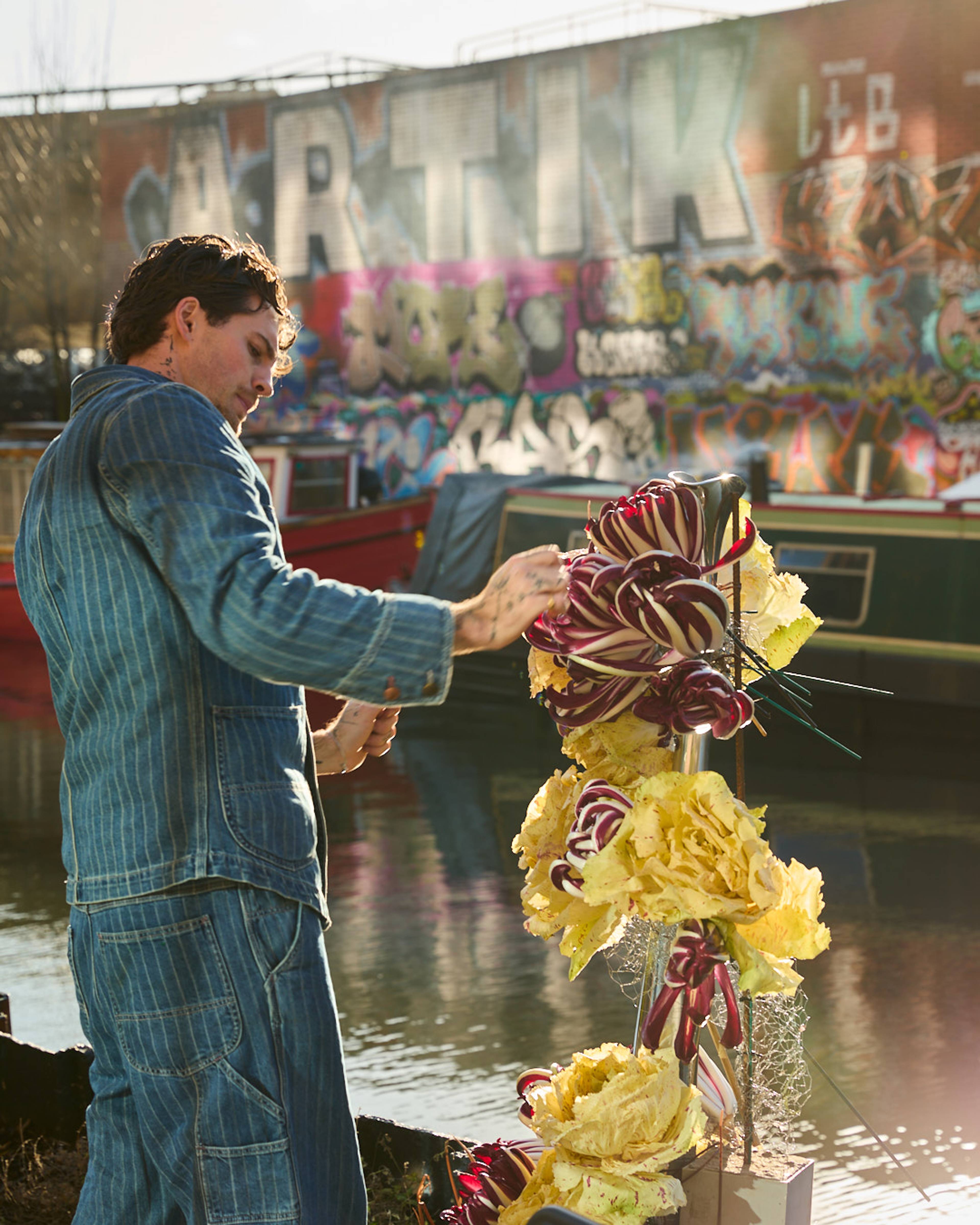
Partnering with floral artist Hamish Powell and Lewis de Haas, executive chef at the London-based HAM restaurants group, this year’s campaign explores the beauty of working with nature rather than against it. On a bright winter’s day, Hamish transformed seasonal Radicchio into a striking sculptural installation, both inside Canal Restaurant and along the water’s edge outside.
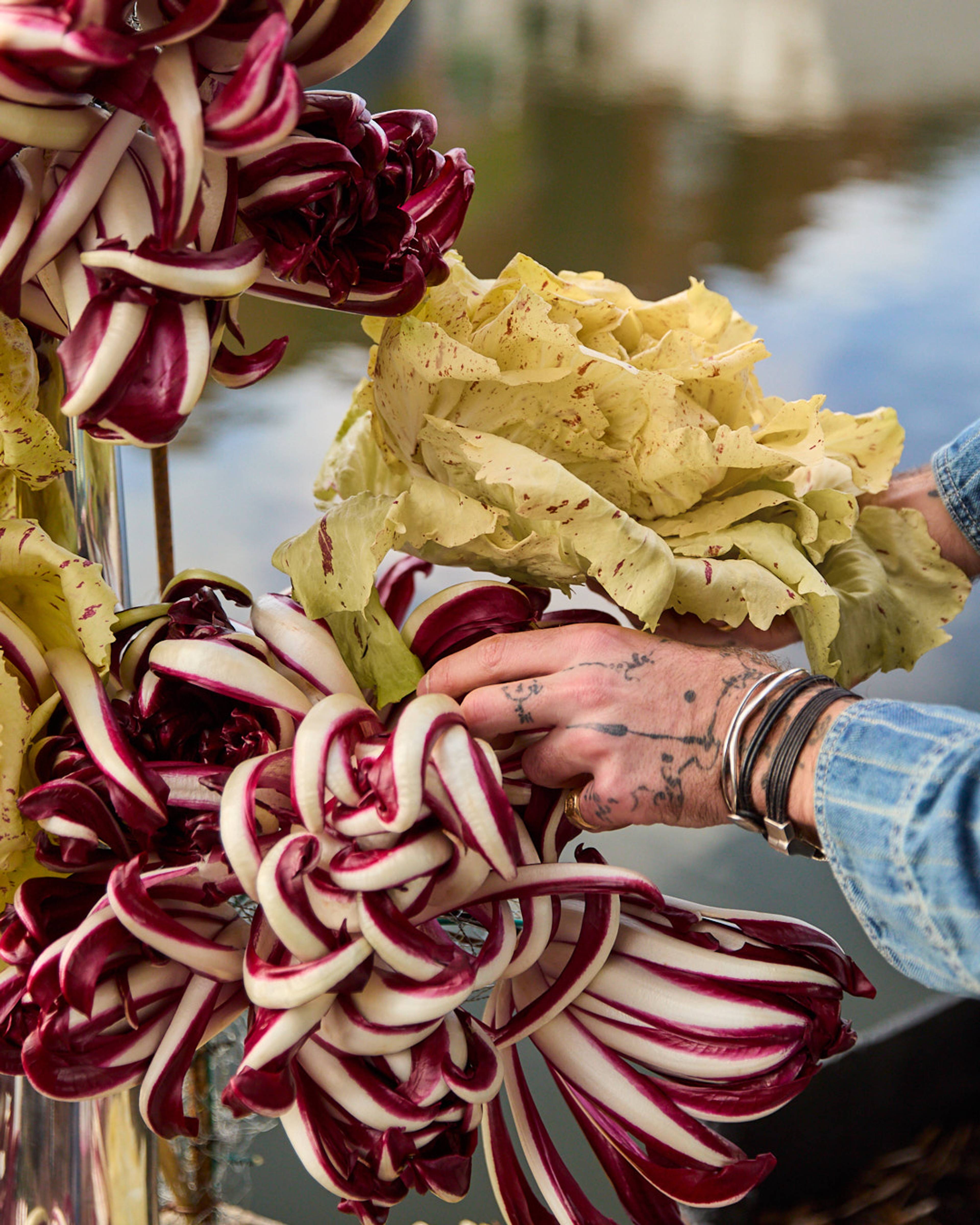
From Luca’s red-speckled Castelfranco, Damiano and Stefano’s elegantly curved Tardivo, Graziano’s variegated Grumolo, to Antonello’s Pink Radicchio, each variety is distinct in character and form. You’ll find them together in our Radicchio, not Roses Box, available to buy now.
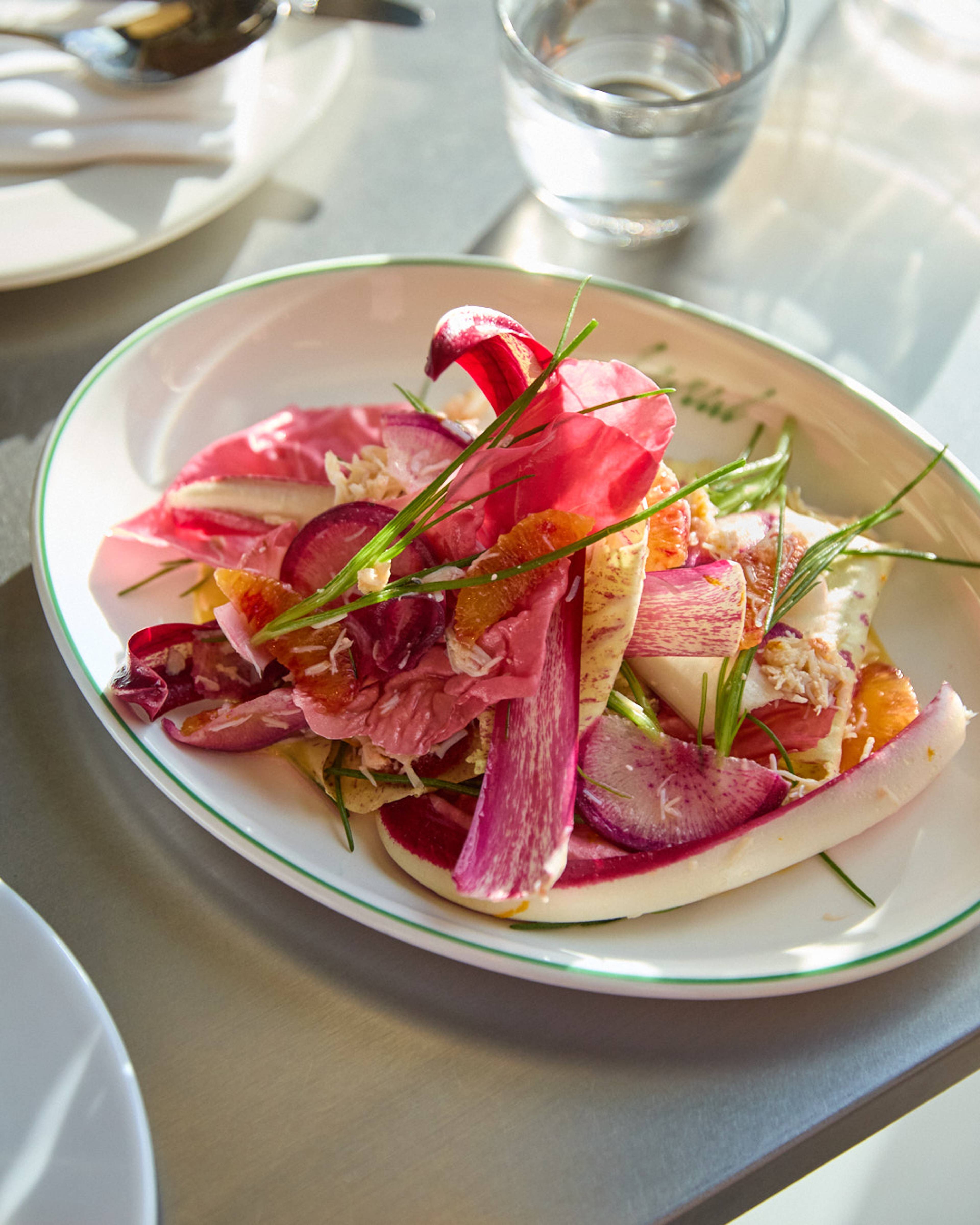
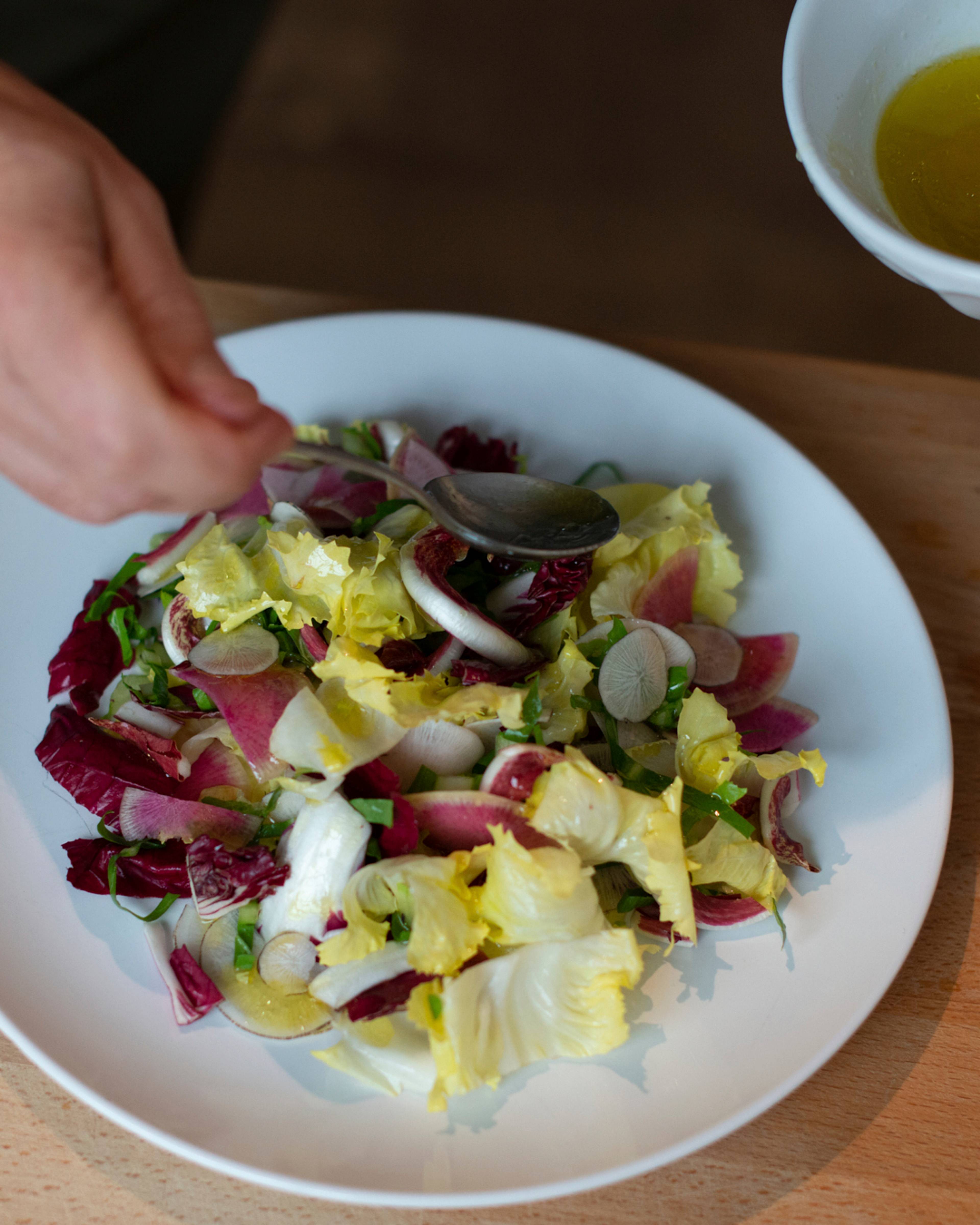
Each box includes a recipe card featuring a dish by Lewis, designed to help you cook a beautiful meal at home, alongside a complimentary postcard to share with someone you love.
THE ROOTS OF ROSES ON VALENTINE’S DAY
Flowers have long been able to express what we cannot put into words. They communicate kindness, care, appreciation and love during some of life’s most significant moments.
The red rose in particular has been a powerful emblem of love for centuries, deeply rooted in ancient mythology, history and cultural tradition [1]. Today, it remains a dominant symbol of romance, with the British Florist Association estimating that 250 million flowers are produced globally for Valentine's Day, with one-third of which being roses [2].
Blooms are big business, especially on major calendar dates. This is something that’s largely driven by enduring and carefully marketed traditions [3].
The beauty of these bouquets, however, come at a cost.
THE HIDDEN COST
Just as with food, flowers have seasons.
“Like a mince pie in summer, a rose in winter feels out of place,” writes florist and grower Olivia Wilson of Wetherly flower studio in an interview with House & Garden.
Indeed, roses bloom in Britain between May and October, with peak flowering generally occurring between June and August. This means that despite their connection with Valentine’s Day, there’s nothing seasonal about a rose in February.
In order to meet demand, roses are grown outside of their usual time. Some come from countries with developing economies, where it is warm enough for them to grow naturally. According to a report by Christian Aid [4], these countries mainly include Kenya, Ecuador, Colombia, Ethiopia and Uganda. However, the large-scale monoculture plantations that dominate rose production in these regions have significant social and environmental consequences.
Each stem, for example, requires 10 litres of water to reach full size, contributing to high water use and chemical runoff. Depleting resources, some claim that drought-stricken Lake Naivasha in Kenya has seen half of its water drawn off for use in nearby greenhouses [5].
To survive long-distance transport, stems are heavily treated. Many are sprayed with chemicals, refrigerated, and wrapped in plastic before travelling up to 6,000 miles [6]. Transported at speed, emissions are intensified, with an imported mixed bouquet producing up to ten times more carbon emissions than a British-grown alternative
Meanwhile, around 20% of roses are imported from the Netherlands [2], where they are grown under artificial heat and light [7]. As a result, Dutch-grown roses can carry three times the carbon footprint of those grown in Ecuador [8].
To put this into perspective, according to The Guardian, the carbon footprint for a mixed bouquet of 11 Kenyan and Dutch stems equates to 30kg of CO2. By comparison, a locally grown bouquet using 15 stems of outdoor grown flowers produces just 1.71kg of CO2 [6].
WHY CHOOSE RADICCHIO?
Radicchio isn’t just beautiful. It’s a living expression of seasonality, skill and place.
For centuries, Veneto in northeastern Italy has been home to wild chicory, thriving in mineral-rich soils and winters cold enough to shape its character. Over time, growers refined these plants into something extraordinary, developing fiercely local varieties, named after towns like Treviso, Chioggia and Castelfranco, and an intricate growing method known as forcing.
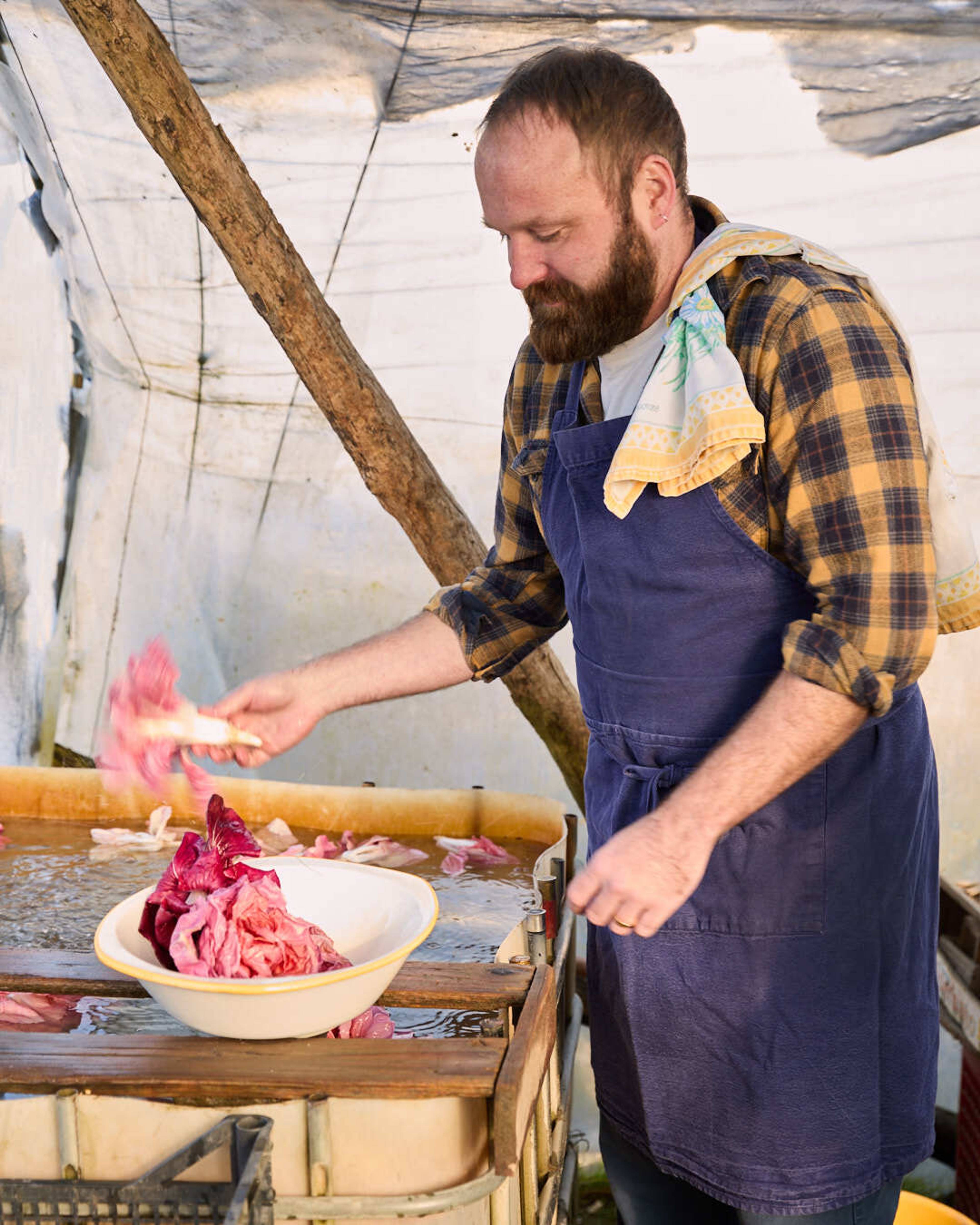
After growing outdoors, the plants are replanted in darkness, their roots immersed in soil, sand or spring water. Deprived of light, they’re triggered into a final, concentrated burst of growth. The result is radicchio at its best: firm, nutrient-rich, delicately bitter and striking in form. By the early 1900s, these qualities were celebrated across the region.
Today, that tradition is under threat. Modern, high-yield varieties have largely replaced forced radicchio, producing larger crops but flatter flavour. Climate change is adding further pressure: warmer winters mean the deep frosts essential to traditional cultivation are arriving later, or not at all.
We work with a small group of growers – Antonello, Luca, Damiano, Torre and Simone – who continue to practice this endangered craft against the odds. Choosing radicchio is a way to support their artistry, protect biodiversity, and celebrate food that’s grown with nature, not forced against it.
References
- TIME Magazine: Here’s why we give roses on Valentine’s Day – and what the flower really means
- British Florist Association: Valentine’s Day – Everything you need to know
- Daily Nation: The rise and rise of the anti-valentine’s movement
- The Guardian: Roses are dead… how to choose a more ethical and original bouquet for Valentine’s Day
- Circle of Blue: Blooming Controversy: What Is Killing the Wildlife in Kenya’s Lake Naivasha?
- Flowers from the farm: The carbon footprint of flowers
- Christian Aid: Roses are dead, lovers are blue: The climate threat to Valentine’s Day roses
- TED: The environmental impact of cut flowers? Not so rosy
Additional resources
- SSAW: Why not buy roses in February?
- Gardens Illustrated: The flower industry is hiding some uncomfortable truths and Valentine’s Day demonstrates just what’s wrong
- The New York Times Opinions Podcast: Please, don’t buy flowers for Valentine's Day
- Eater: Consider the vegetable bouquet
- House & Garden: Why you should think beyond roses this Valentine’s Day
- House & Garden: Florists on the seasonal British flowers to champion for Valentine's Day
- The Guardian: The best Valentine’s Day gifts – 34 thoughtful ideas they’ll actually want
- The Architectural Review: War of the roses – the exploitation of the flower industry
Stories
Voir tout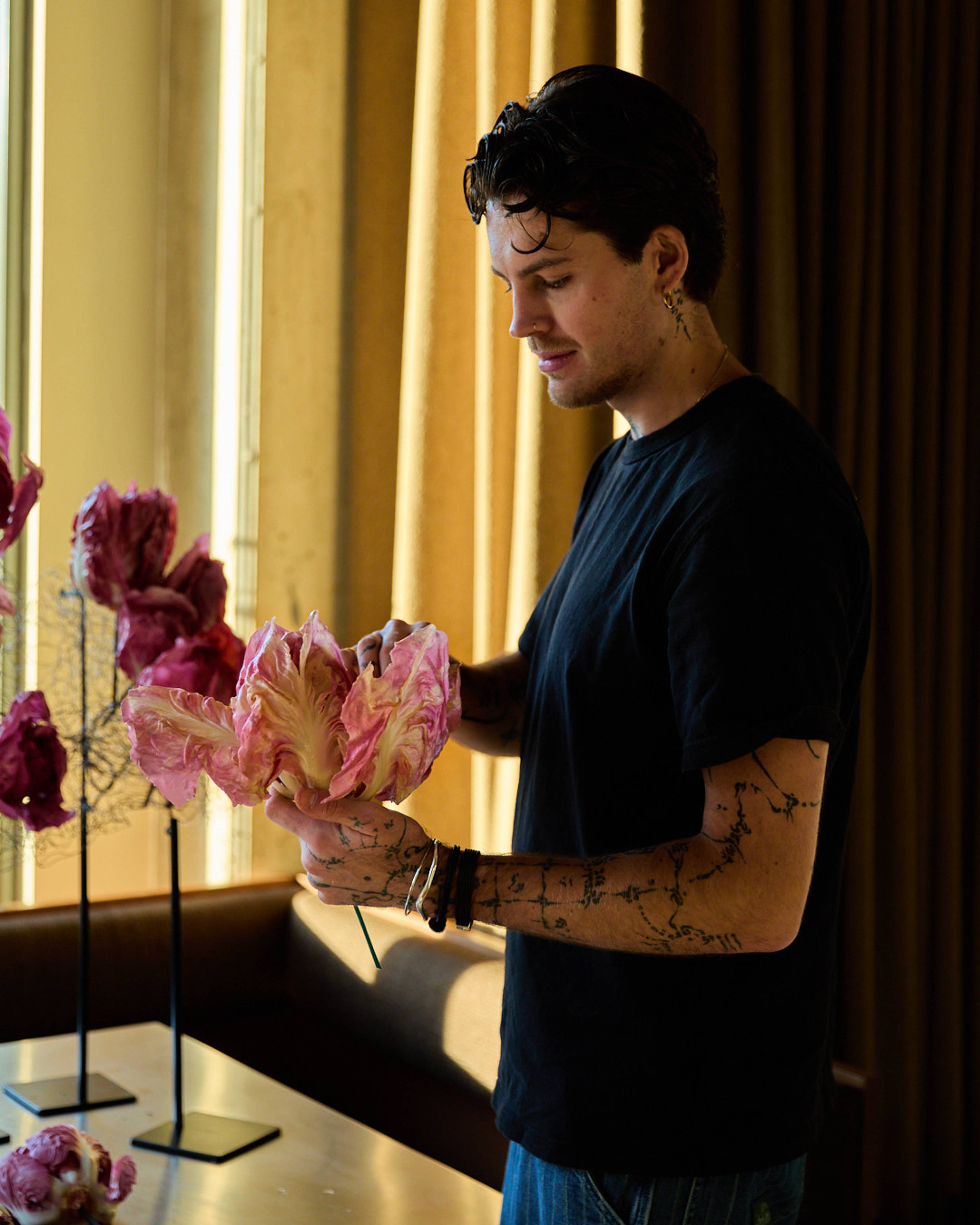
We exist to fix the food system.
People are more cut off from the origins of their food than ever. This makes flavour, nutrition and farming practices that protect the planet, almost impossible to find.
By working directly with growers, we create a more sustainable way forward for farming. By giving everyone the tools to understand the power of our food choices, we empower everybody to become drivers of change.
Now is the time for action. Join the food system revolution.

Go beyond four seasons
Each fruit and vegetable has its own season, with subtle shifts which happen every day. Follow their microseasons to unlock flavour at every stage.
WHAT’S IN SEASON?

Know where your food comes from
We know the name of the people behind everything we source. Recognise their growing artistry to find out exactly where your food comes from (and why that matters).
MEET THE GROWERS

Make your diet diverse
Our growers work with varieties chosen for quality and nutrition, not yield. By selecting their crops you keep heritage seeds in play, add to ecosystem biodiversity and preserve unique flavours.
PEAK SEASON BOX
United Kingdom
© 2026 Natoora Ltd.