IS FERMENTATION THE GOLDEN GATEWAY TO ZERO WASTE?
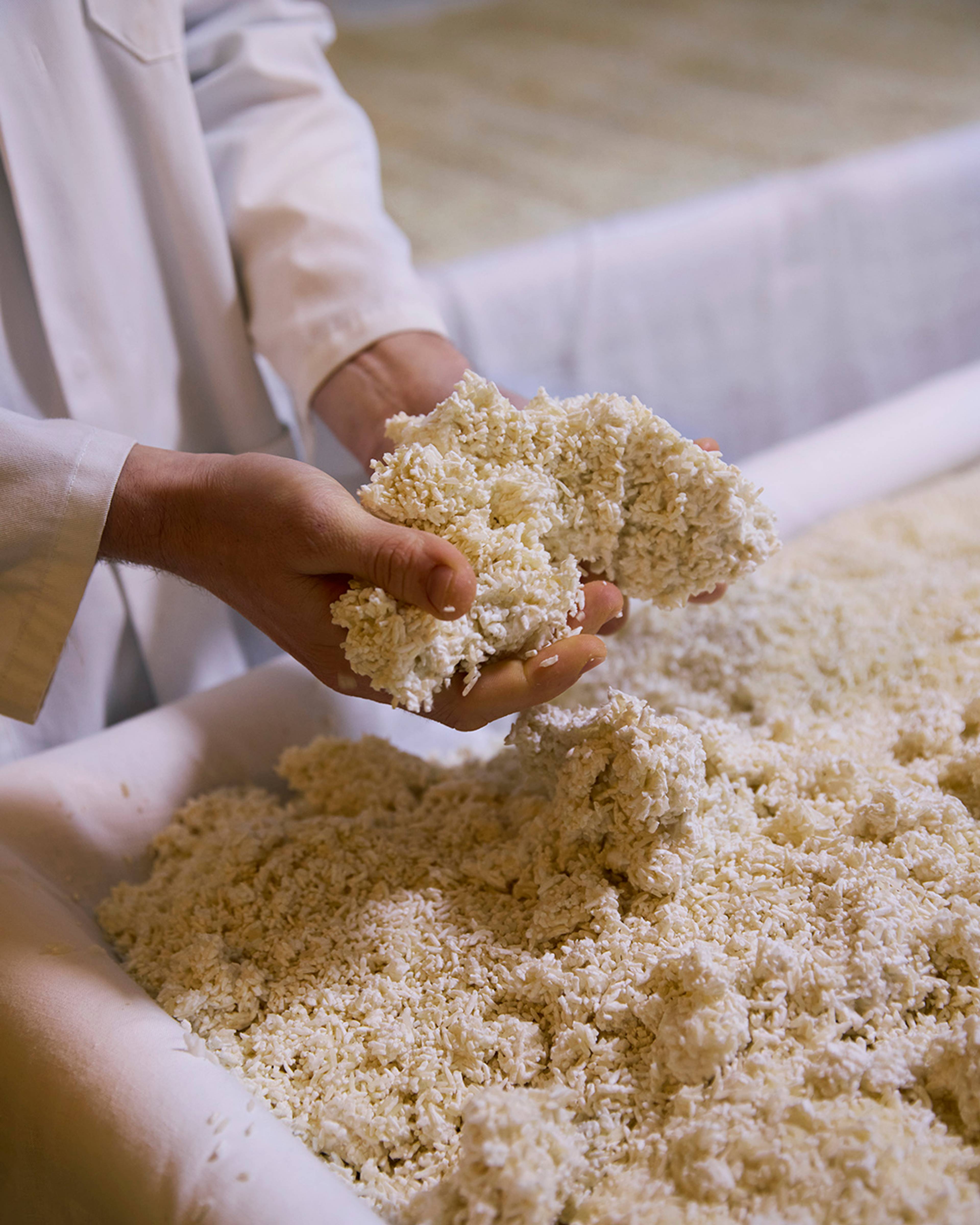
Inside FLUX’s Hackney Wick fermentation factory, where koji is quietly reshaping the food system.
The aroma hits first. Thick and fragrant. It greets us as we walk through the doors of the former East London nightclub. “Your senses adapt to it as the day goes on,” production manager Caspar tells us, pulling on a white lab coat, hair net and shoe covers.
What we’re smelling is koji, a Japanese culinary mold grown on grains such as rice and soybeans. For thousands of years, it’s underpinned staples like soy sauce, miso, sake and mirin.
Koji is a powerful fermentation starter. As it grows, it releases enzymes that break down starches and proteins into sugars and amino acids, creating deep, savoury umami flavour. It transforms raw ingredients into something richer, more complex and far more delicious.
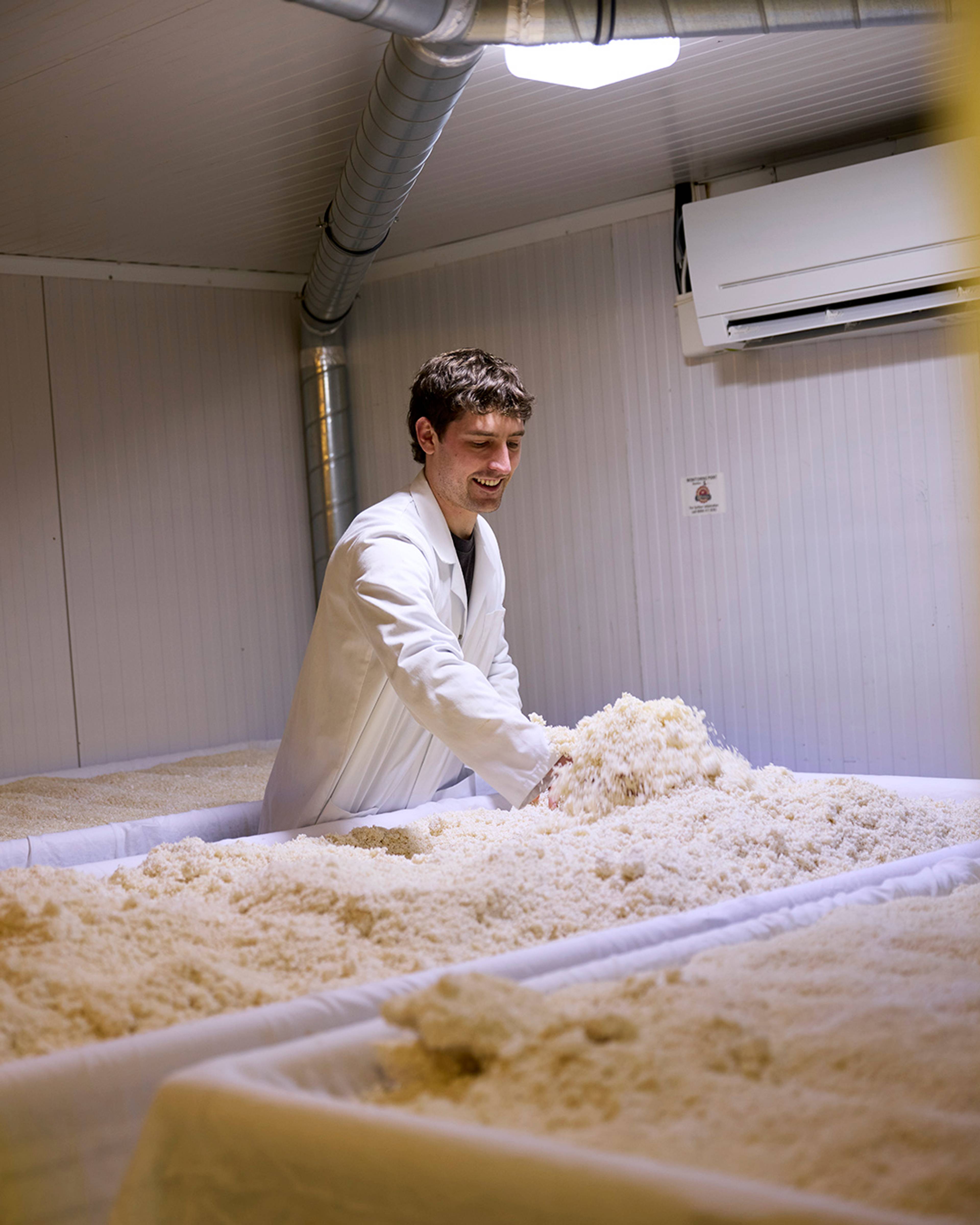
It's not what you'd expect, the scent.
“When people think of mold growing, they don’t think of it positively. This is the antidote to that,” says Ryan, head of fermentation and development.
It's sweet and nutty with notes of stone fruit (think apricot and peach). The NOMA Guide to Fermentation even compares it to apple blossom. Then, as the process develops, the aroma deepens, shifting towards earthy, mushroom tones.
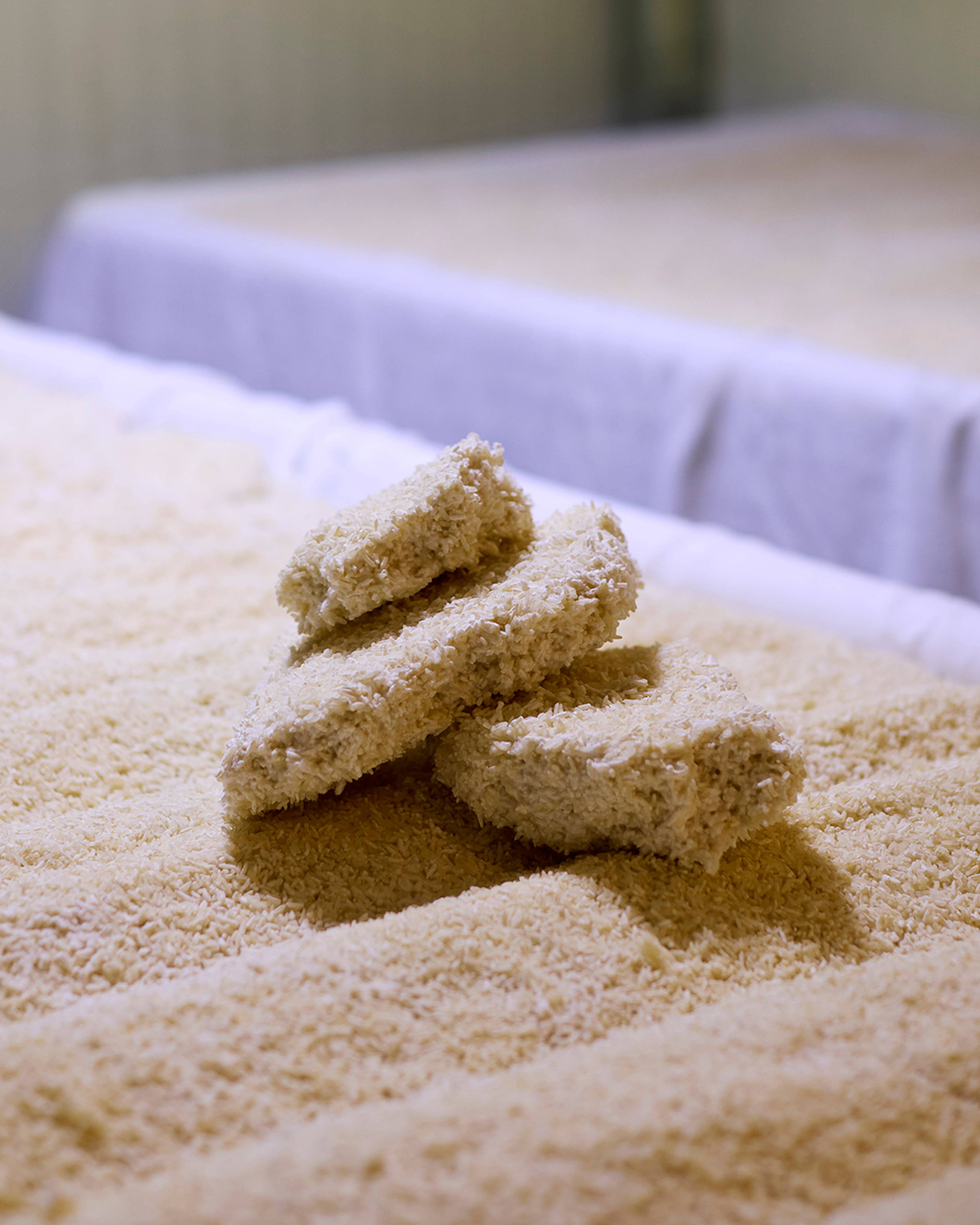
We move further into the factory, then we see it. Koji. Lots of koji resting in linen-lined beds. At first glance, it looks like grains of cream-coloured sand.
Fermentation may be ancient, but here it is treated with both reverence and precision.
We’re told that few producers outside Japan have sold koji at this scale while maintaining traditional methods. And here, tradition is taken seriously. The process is meticulous. Temperature and humidity must be closely monitored; even slight fluctuations can affect growth. Every batch is nurtured, adjusted and checked by hand. Fermentation may be ancient, but here it is treated with both reverence and precision.
Traditional koji-making requires a mixing and resting cycle until it’s fully bloomed and grown deeply into each grain of rice.
Each morning, after the rice has rested in the sheets overnight, it’s broken up by hand (a process known in Japan as kirikaeshi). This critical step, usually performed every 12 to 24 hours, regulates heat, oxygen and moisture levels. In Japan, some fermenters are said to sleep beside their rice, waking throughout the night to turn it and maintain a steady flow of oxygen.
Here in Hackney Wick, Caspar and Ryan pick up handfuls and crumble it in their hands, working methodically across the tray. It is labour-intensive work, especially considering FLUX now produces up to a few tonnes of koji each month, alongside Shio Koji and their own Zero-Soy Sauce (a London-grown soy sauce made without soy).
They are exploring ways to streamline the process as they scale, but for now, kirikaeshi remains resolutely manual.
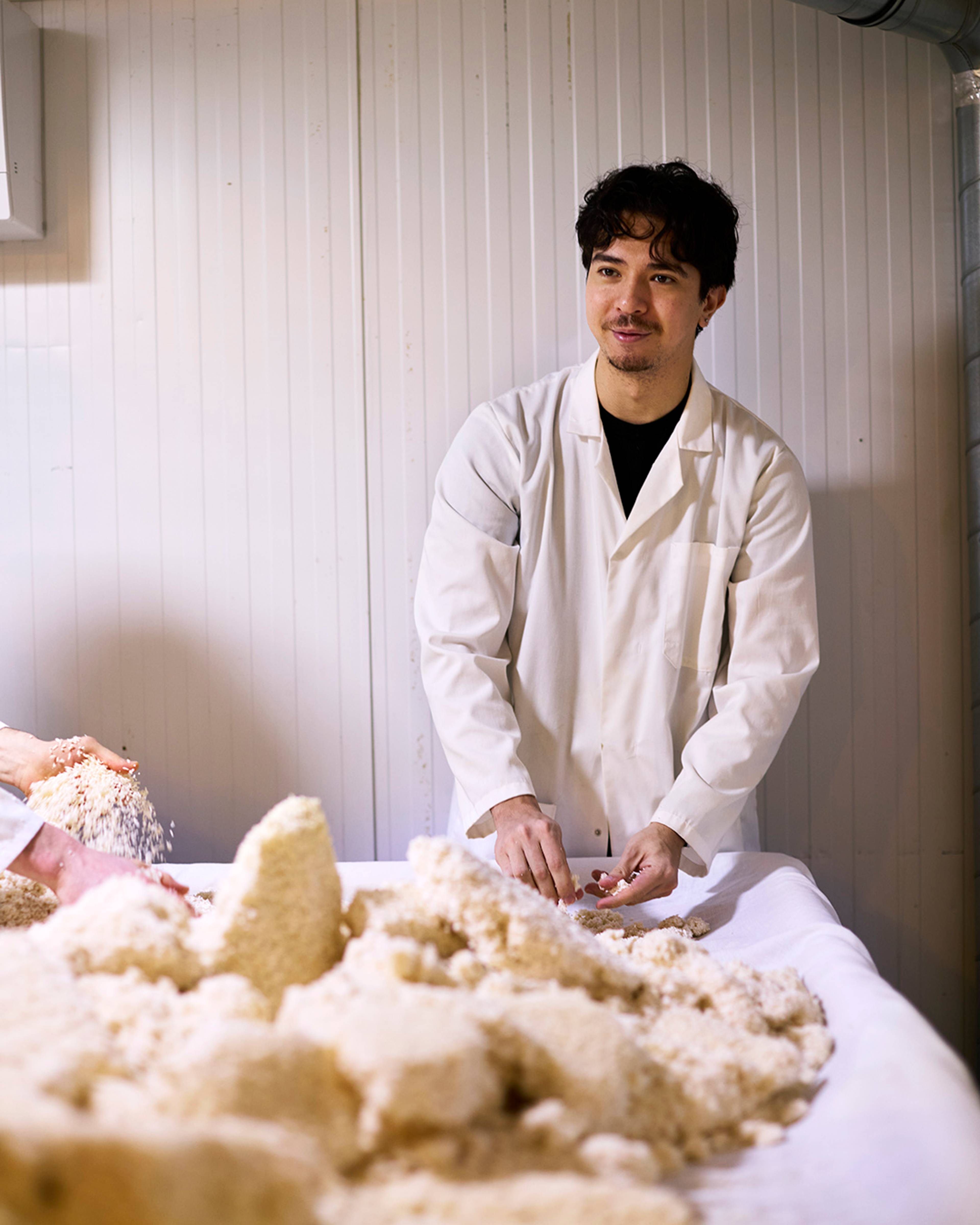
FLUX Fermentation emerged from the world’s first zero-waste restaurant, Silo, around two years ago.
“At the time, a lot of research and development was happening for the menu,” Ryan explains. “The first Zero Soy Sauce was made at Silo. It was also the first restaurant in the UK to really utilise koji in the way that it did.” It came to define the restaurant’s flavour palette.
The restaurant was producing 20 to 30 kilos at a time in the back of the kitchen, and it was never enough. They began searching for a dedicated supplier, ideally one working within a zero-waste philosophy.
“FLUX became that outsource for Silo,” Ryan says. “We delivered them koji every week and it evolved from there.”
How then, is fermentation, or more specifically koji, an agent for change in the wider food system?
It’s an idea that echoes back to Silo’s founder, Douglas McMaster, who has described fermentation as “the golden gateway to zero waste.” At the restaurant, fermentation wasn’t simply about flavour, it was infrastructure. A way of preserving surplus, extending seasons and transforming byproducts into something valuable.
According to Douglas, fermentation changes the very definition of waste. When ingredients begin to lose their freshness, they don’t have to be discarded, they can be redirected. Vegetable trim becomes miso. Surplus bread becomes koji. The byproduct becomes seasoning, or in some instances, the centrepiece.
Fermentation doesn’t require industrial processing or heavy packaging, it relies on biology. Koji in particular accelerates this transformation. Its enzymes unlock flavour from ingredients that might otherwise be overlooked.
In that sense, fermentation isn’t just preservation, it’s redesign. It reduces reliance on imported flavourings and allows kitchens to operate more circularly.
Seen this way, the plentiful trays of koji in Hackney Wick are more than ingredients resting under linen sheets. They are tools for rethinking how food flows through a system and how value can be created rather than discarded.
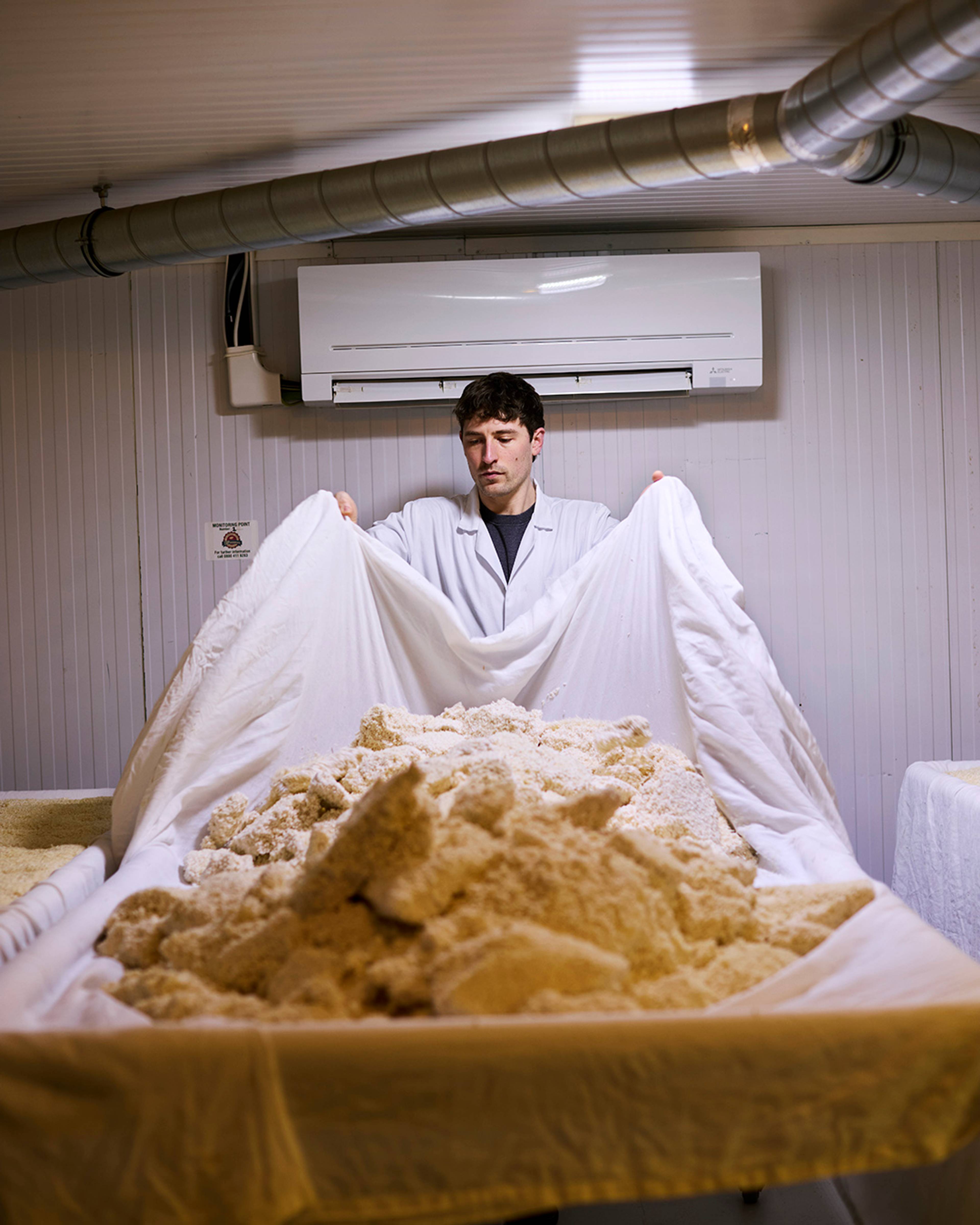
IN CONVERSATION WITH CASPAR & RYAN OF FLUX FERMENTATION
The word “flux” means continuous change. Is there a story behind the name, and how does it reflect your philosophy?
It’s very much a literal name. In the early days, we were in a state of flux with the business – how we wanted to approach things and what direction we wanted to take. Fermentation in kitchens has changed so much, and Silo changed how it could be used. The aim with FLUX is to change the food system, and the name reflects that constant evolution.
Silo is widely known as the world’s first zero-waste restaurant, and you’ve championed fermentation as a powerful tool within a zero-waste food system. How does FLUX continue and expand on that ethos at scale?
For Silo, yes, there was always a zero waste element. But really it was about flavour potential. We could unlock flavour potential in waste streams – that was the profound part for us.
With FLUX, we’re highlighting that you can create something super premium from what’s considered a side stream. When you boil ingredients down to their fundamentals, it doesn’t matter whether they’re a sidestream or a conventional product.
At scale, what we’re finding is that waste isn’t always about people not caring, but rather it’s often legislation and logistics. So, we're trying to address both environmental and social sustainability. Social sustainability is often overlooked in food systems and the focus is usually on food waste, CO₂ or methane. We work with suppliers who reinvest profits into farms to tackle waste at harvest level and improve livelihoods.
Walk us through your core products.
We start with koji grown on different substrates. One example is rice koji made with Hom Mali rice from Thailand. When you grow koji on it, it creates a nutty, aromatic rice flavour. It’s essentially a precursor to the flavours found in sake – cucumber, melon, floral notes. In its raw form, it’s fresh and fragrant.
From that we make shio koji, which is simply koji mixed with water and salt. It’s great for marinating and tenderising meat, but also for seasoning. The enzymes make things sweeter and more savoury at the same time. It’s fresh, young in flavour, very versatile and a good alternative to simply using salt.
Then there’s Zero-Soy Sauce. It shouldn’t be too dissimilar from a good off-the-shelf soy sauce. That’s the goal. We’re not trying to mimic something industrial. Instead, we’re creating a premium product that can be used liberally.
It’s made from regenerative marrowfat peas and broken rice. Soy isn’t something we grow particularly well in the UK, so we wanted a geographically appropriate alternative. The flavour is nutty, malty, umami. Nothing crazy, just a good soy sauce not made from soy.
Taking your Zero-Soy Sauce as an example, would you describe it as a substitute for soy sauce, or an entirely new product with its own identity?
We wanted it to be familiar enough that you can use it one-for-one in a recipe. You can substitute it entirely and still get the characteristics you expect like saltiness, depth and umami.
It’s in the soy sauce family, but it’s special. It has its own identity.
What do you hope chefs take away from working with your products, both practically and philosophically?
We want chefs to realise how versatile these products are.
Home cooks have been using umami boosters for years (think Marmite in Bolognese, fish sauce in ragù, soy sauce in stews). It’s the same principle. You can elevate everyday dishes with a small amount of these ingredients.
Philosophically, it’s about flavour first. If you put it in ice cream, it doesn’t taste like soy sauce, it tastes like cream with savouriness. We want chefs to play with it. Because it’s not an expensive, precious product, you can experiment.
In what ways do you think these products could transform professional kitchens?
They allow chefs to unlock flavour from ingredients that might otherwise be overlooked. It’s about unlocking the ability to play and using fermentation not as a niche technique but as a foundational seasoning tool.
Tell us about the producers you work with. How important are those relationships to the integrity of what you do?
We use Premium Jasmine (Hom Mali) rice from Paddi, grown in Thailand’s mountain highlands. It’s aromatic, nutrient-dense, and sourced through a regenerative supply chain. Paddi reinvests 20% of profits to empower farmers and fight rice waste.
We use broken rice that would otherwise struggle to find a market, especially for smaller farmers. It keeps our soy sauce allergen-free and utilises an underused by-product.
These relationships are crucial to us.
Stories
See all
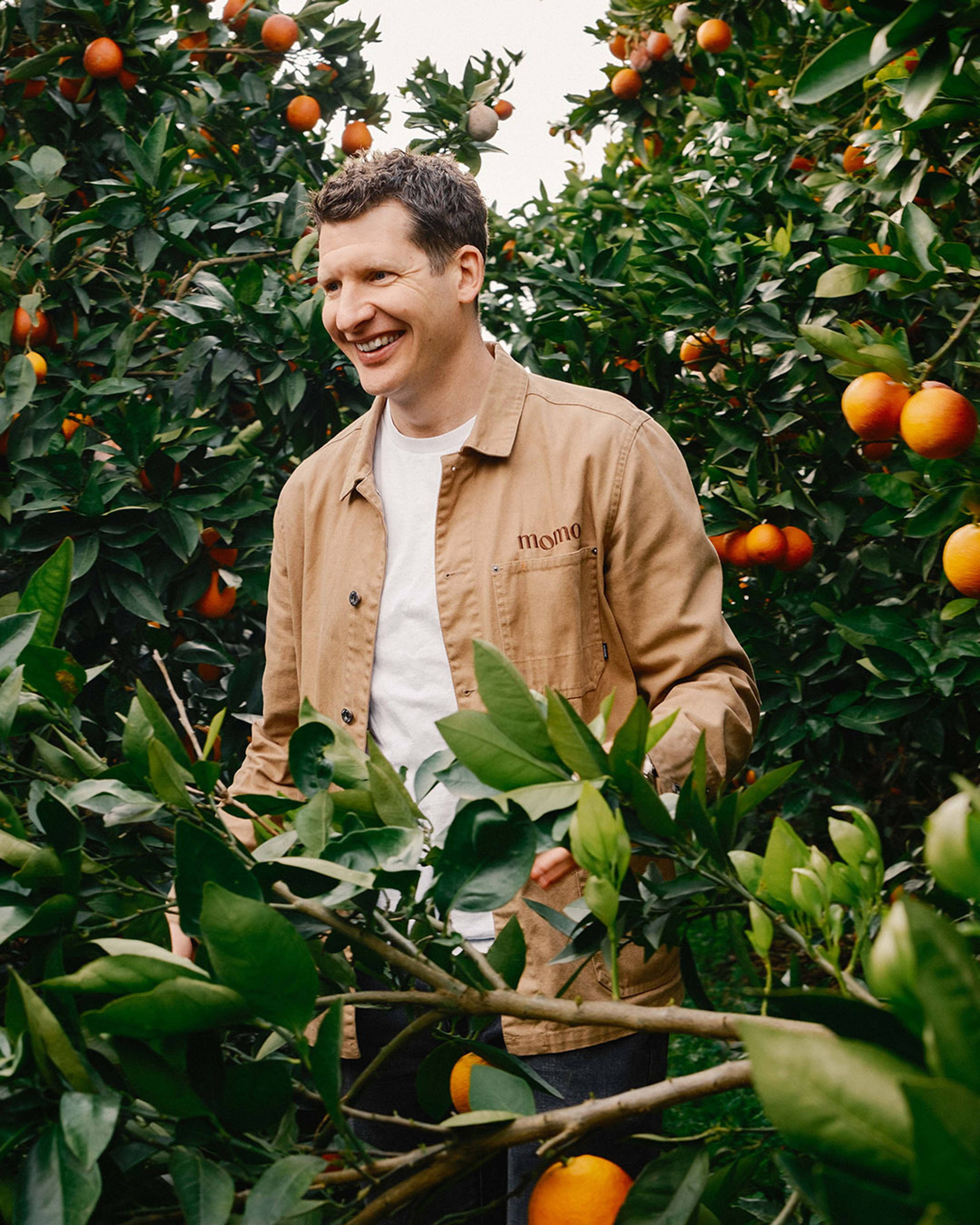
We exist to fix the food system.
People are more cut off from the origins of their food than ever. This makes flavour, nutrition and farming practices that protect the planet, almost impossible to find.
By working directly with growers, we create a more sustainable way forward for farming. By giving everyone the tools to understand the power of our food choices, we empower everybody to become drivers of change.
Now is the time for action. Join the food system revolution.

Go beyond four seasons
Each fruit and vegetable has its own season, with subtle shifts which happen every day. Follow their microseasons to unlock flavour at every stage.
WHAT’S IN SEASON?

Know where your food comes from
We know the name of the people behind everything we source. Recognise their growing artistry to find out exactly where your food comes from (and why that matters).
MEET THE GROWERS

Make your diet diverse
Our growers work with varieties chosen for quality and nutrition, not yield. By selecting their crops you keep heritage seeds in play, add to ecosystem biodiversity and preserve unique flavours.
PEAK SEASON BOX
United Kingdom
© 2026 Natoora Ltd.