In Conversation with Dr. Federica Amati
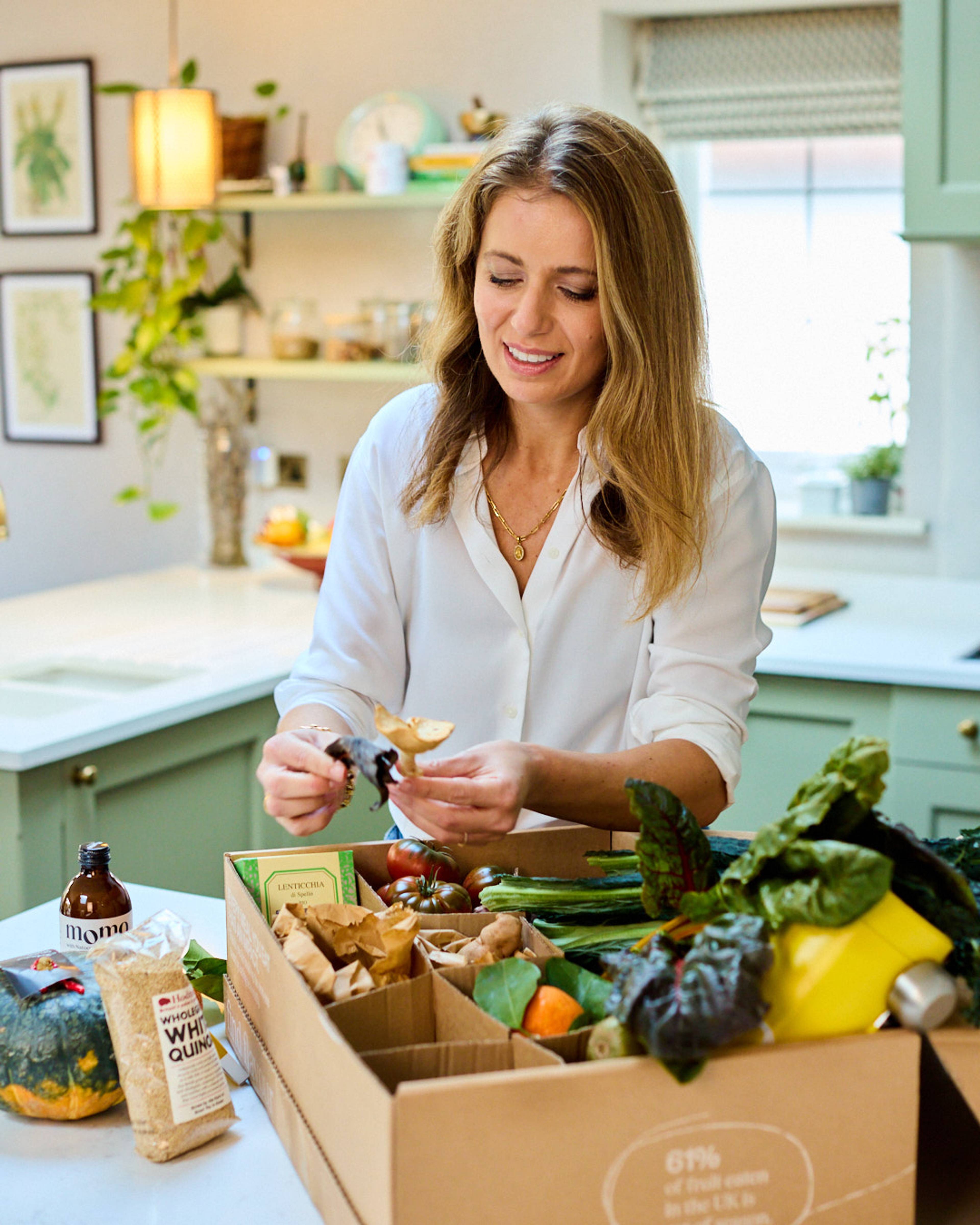
Each new year arrives with the promise of change. New resolutions. New hopes. New habits. Yet when it comes to food, that sense of renewal is often framed through restriction: a culture of cutting things out rather than adding more of what truly nourishes us. It’s time to change that narrative.
What if we approached January with abundance, diversity, and joy? What if we chose flavour and nourishment over refrain and restriction?
For Professor Tim Spector, Scientific Co‑Founder of ZOE, this shift in mindset is fundamental. As he puts it, “this is the path to real long‑term health.”
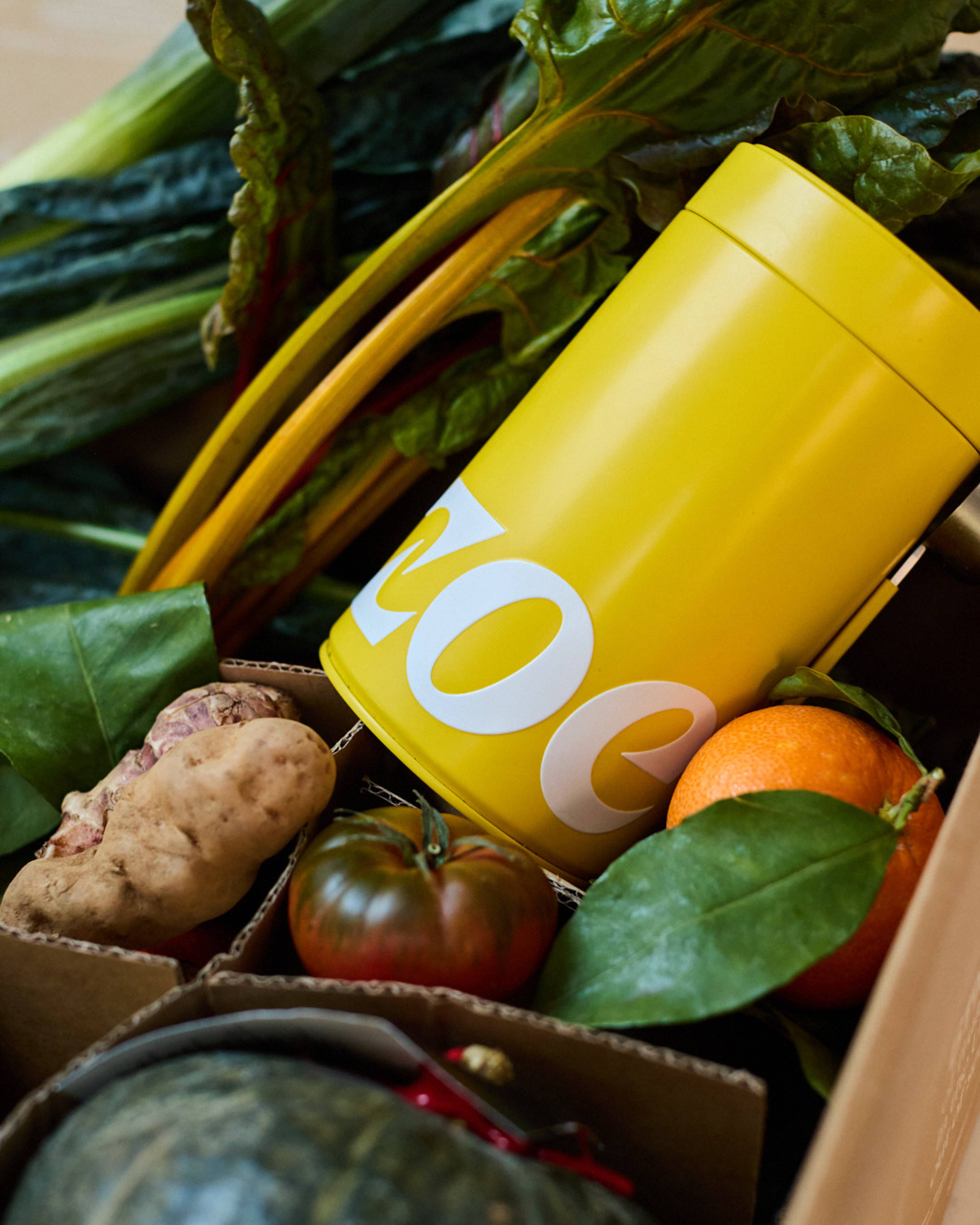
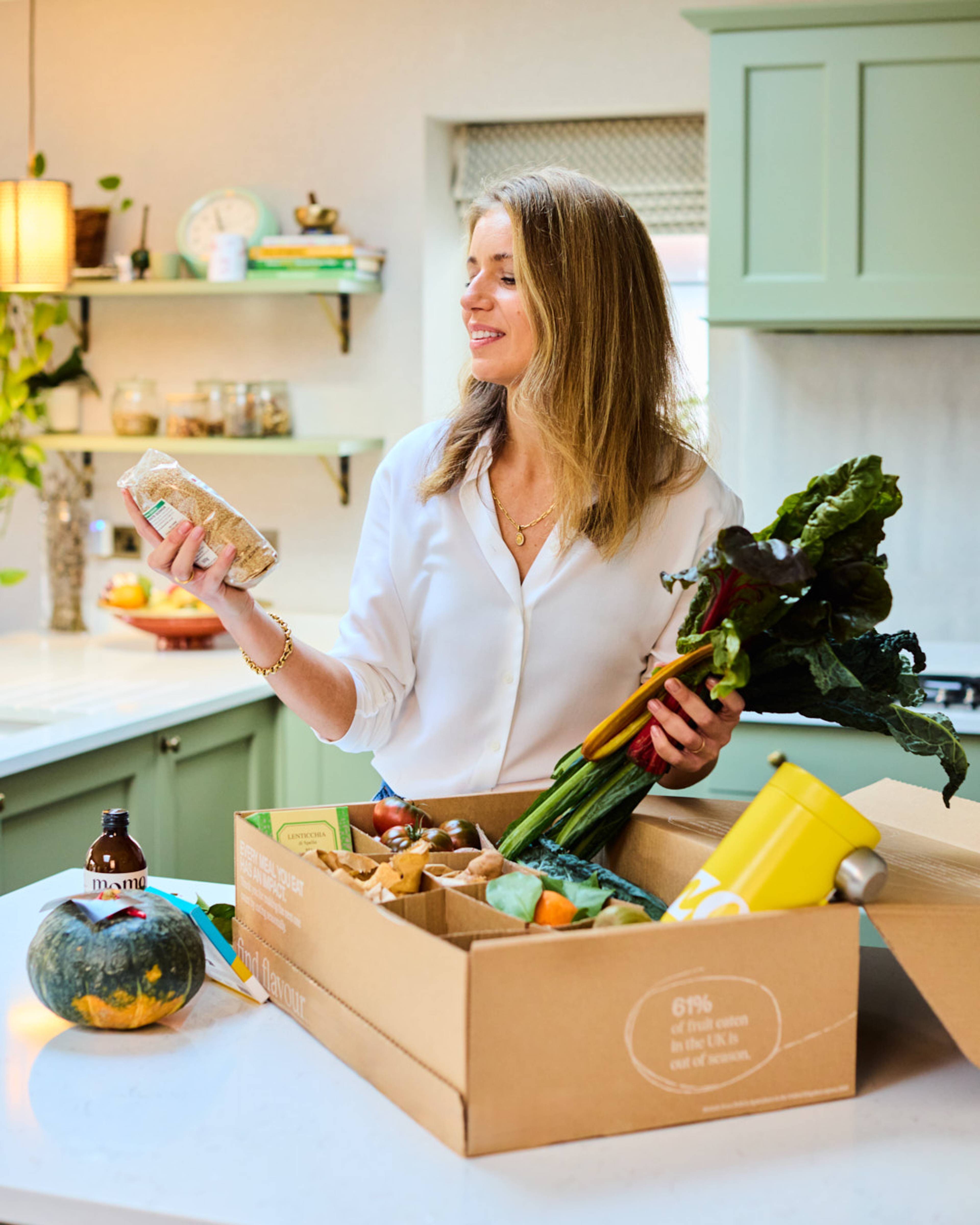
That’s why we’ve joined forces with ZOE to help you start the year well. Guided by our commitment to seasonal sourcing and ZOE’s scientific research, we’ve created a limited-edition Seasonal Gut Health Box – made not only to nourish your body, but to inspire moments of connection in the kitchen and at the table.
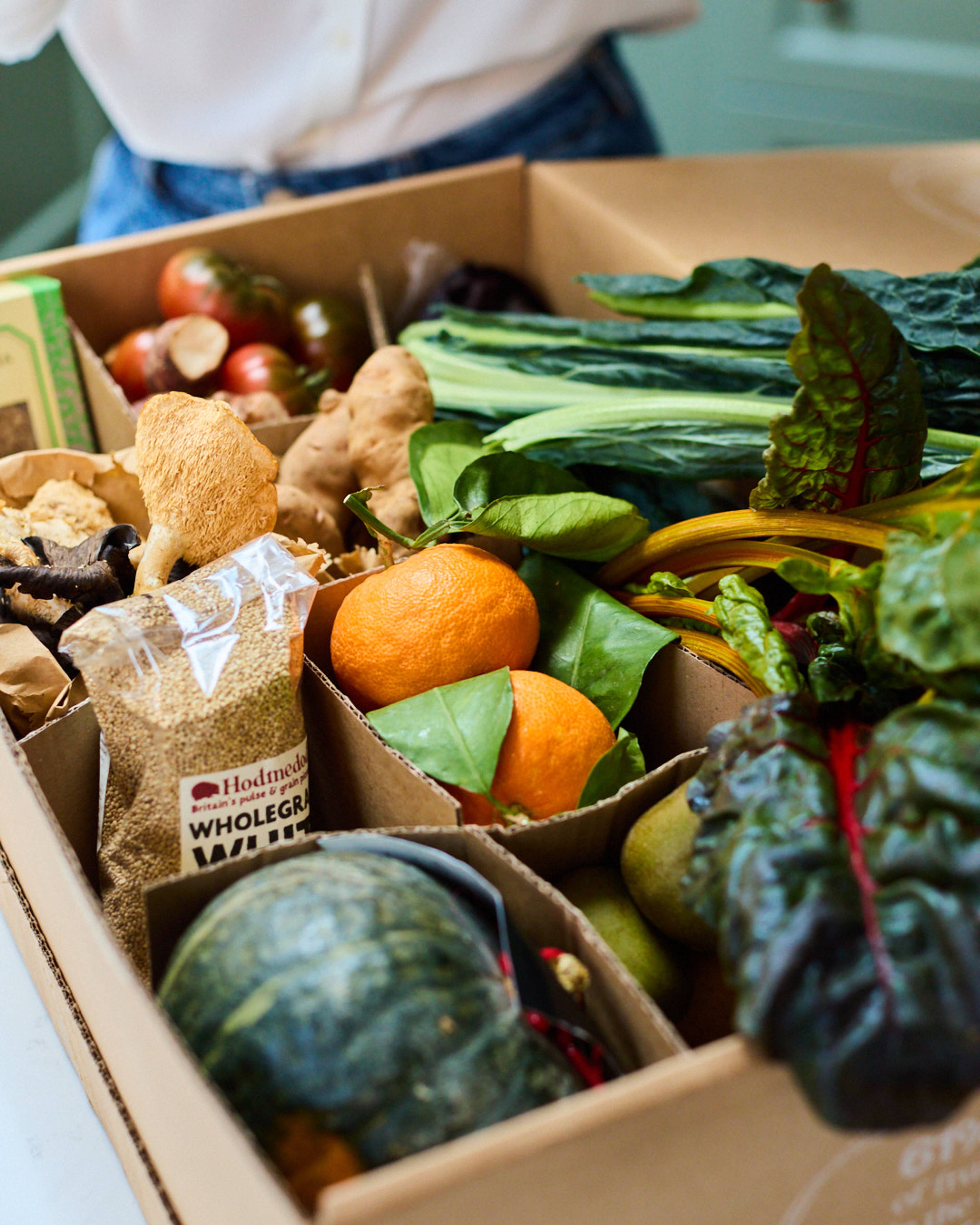
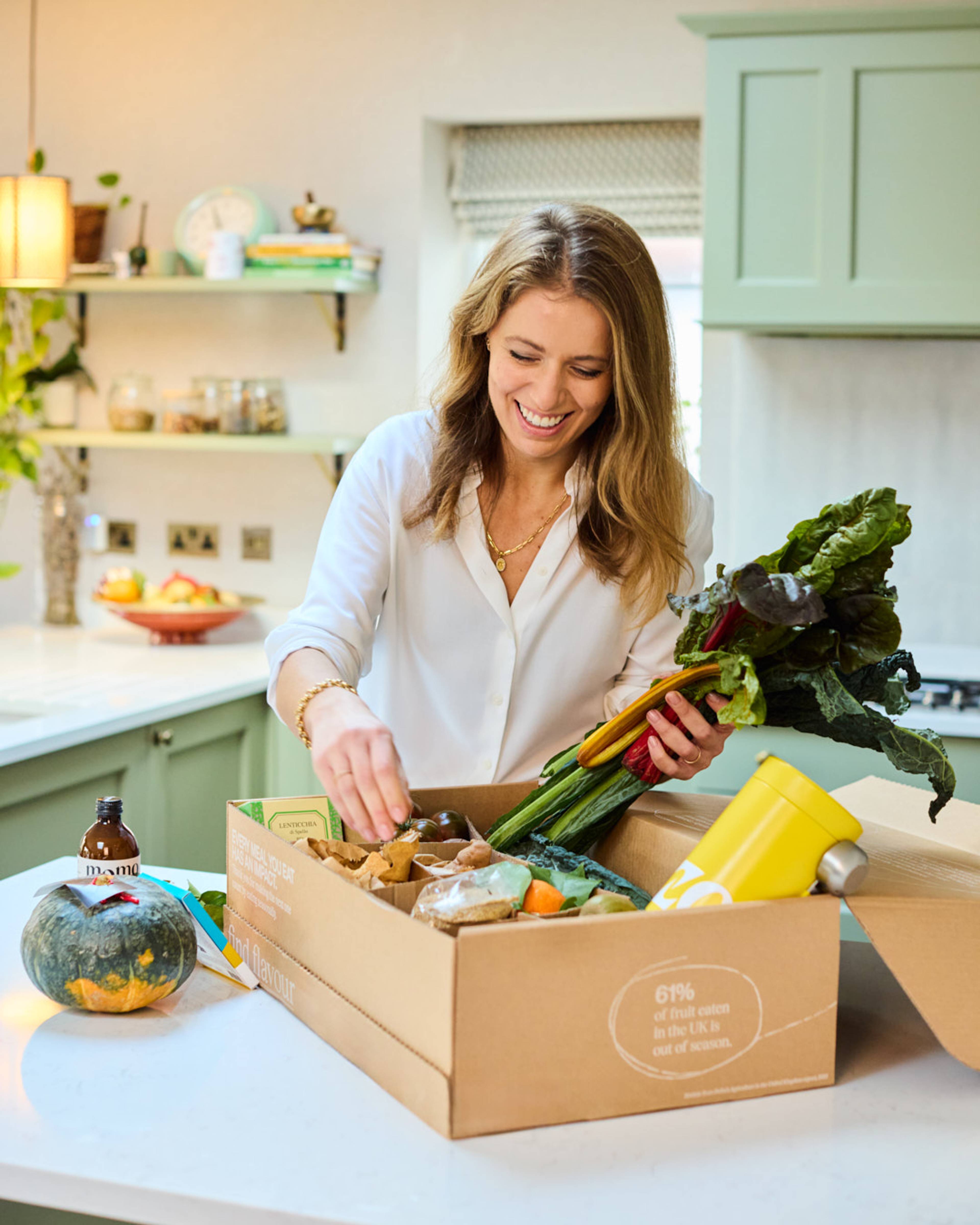
It’s a thoughtfully curated selection of ingredients chosen for both flavour and function, making it easy to cook vibrant, winter-led meals for yourself, your family, or a group of friends. Whether it’s a slow weekend lunch or a simple midweek supper, the box is an invitation to gather, cook, and enjoy good food together.
Designed by Professor Tim Spector and ZOE’s Head Nutritionist, Dr. Federica Amati, the box brings together bright winter produce, pantry staples, and craft favourites, selected for their provenance, exceptional taste, and their role in nourishing the gut microbiome.
“The more plants you eat, the more diverse and resilient your gut microbiome becomes. During winter, when we’re often eating fewer fresh foods and spending less time outside, it’s even more important to actively include foods that support gut health.”
Dr. Federica Amati
While the noise around nutrition can be overwhelming – and sometimes, contradictory – we’re proud to be partnering with experts in their field.
ZOE is at the forefront of the gut‑health revolution, running the world’s largest nutrition study to help people feel better now while building long‑term health through personalised, science‑backed insights.
For our founder, Franco Fubini, the collaboration is an extension of shared values:
“Working with ZOE on this Seasonal Gut Health Box is a natural alignment of our shared belief that better eating begins with diversity in our diets,” he explains. “With ZOE’s guidance on which ingredients can best support gut health, we have curated a box that is both nutritious and reflective of the season. In doing so, we’re paving the way for people to contribute to a more responsible food system.”
Here, Dr. Federica Amati tells us more about the science behind seasonal eating, how it can support your gut microbiome, and why it matters.
January is often associated with restriction and diet culture. Why are ZOE and Natoora taking a different approach with a box that’s centred on abundance and diversity?
At ZOE, we’re all about positive nutrition and focusing on what we need to eat more of. And of course, Natoora has a really strong focus on the abundance of foods that we need to be adding back to our plates – foods that are good for us, good for our gut microbes, and good for the environment when they’re grown responsibly.
The way for people to feel better in January is to focus on foods that support the gut, the liver and the body, even when it’s dark and cold outside, or after a few days of indulging. Foods that are high in fibre and rich in bioactive compounds that are naturally anti-inflammatory really support you and make you feel better. We don’t get enough of these foods in our diets, and many of the issues we see come from that lack.
So it’s about reintroducing fresh fruit, whole grains, nuts and seeds, legumes and lentils, and fresh leafy greens – not cutting food groups out.
What happens when we shift from ‘cutting things out’ to ‘adding more good things in’?
We know from our own science and from other large studies, like the American Gut Project, that the more plants you eat – the more diversity and variety – the happier your gut microbiome is.
When you drastically restrict your diet, you reduce that variety and colour, and you remove essential nutrition that your gut microbes need. When they don’t have food, their numbers go down, and you lose some of the microbes that support your health.
These microbes are like little personal pharmacies, making brilliant chemicals to support your health. If you don’t give them the base materials, they can’t do that work. When you increase abundance, you give them plenty of substrate to work with, and they can make even more helpful compounds.
We see continued health benefits as plant intake increases. 30 plants is a good target, but even 40 or 50 brings improvements. The same applies to fibre: 30 grams a day is the minimum, but higher intakes continue to show better health outcomes.
How does plant diversity support gut health, and why is this especially important during winter?
The more plants you eat, the more diverse and resilient your gut microbiome becomes. During winter, when we’re often eating fewer fresh foods and spending less time outside, it’s even more important to actively include foods that support gut health.
High-fibre foods and plants rich in bioactive compounds help support immunity, reduce inflammation and help the body feel better during the colder, darker months.
What does joyful eating look like for you?
For me, joyful eating is about flavour, colour and texture. How food looks is a really important part of experiencing it. Having lots of colour, lots of different textures, and a real variety of flavours makes food exciting.
When ingredients come from seasonal, small-scale farmers, you get incredible flavour variation. For example, apples that taste completely different from one another.
Joyful eating is also about creativity. When you eat seasonally, your ingredients change all the time, which forces you to get creative – figuring out what to do with a pumpkin, celery or pears in season. Cooking also makes you slow down and concentrate on what you’re doing, and we can all do with more of that.
For someone new to thinking about gut health, what’s one simple habit they can start this year?
One simple thing is to think ‘fibre first’. When you’re planning a meal or a snack, ask yourself what’s bringing fibre to the plate.
The foods highest in fibre are nuts and seeds, legumes like beans, peas and lentils, and whole grains. If you can include one or more of these regularly, you’ll really improve your fibre intake.
It can be as simple as an apple with a handful of almonds as a snack.
How can people use this box to build gut-friendly meals throughout the week?
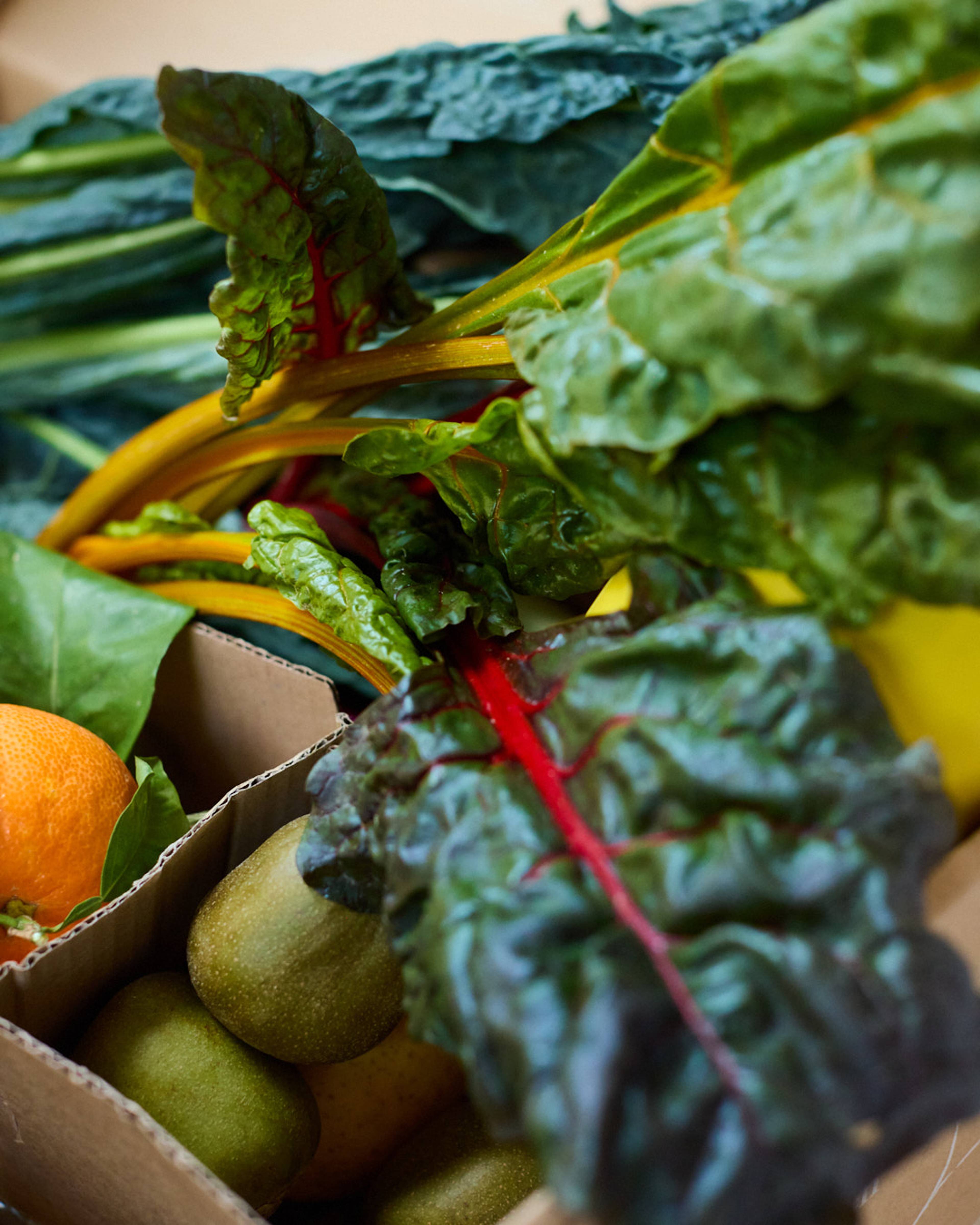
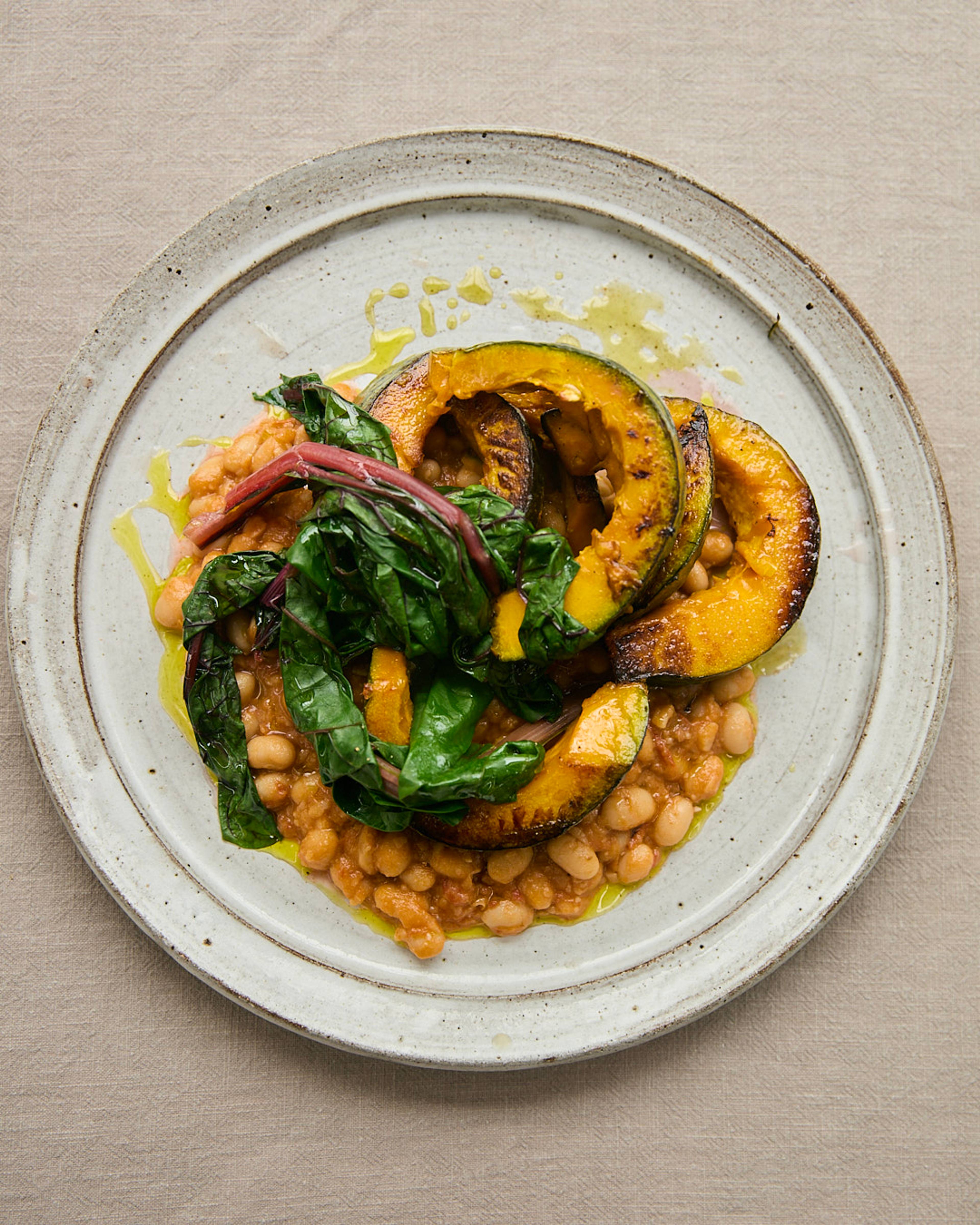
Soups and stews are a great place to start, but there’s so much flexibility. Leafy greens like Cavolo Nero or Chard are best cooked gently with extra virgin olive oil and garlic over a low heat, adding a little water and letting them steam. That way you retain nutrients, flavour and texture.
You can eat them as a side, stir them into pasta, add them to a frittata, or blitz them into a pesto with herbs and nuts.
For vegetables like Jerusalem Artichokes, Delica Pumpkin and Pink Fir Potatoes, roasting them whole with the skins on brings out amazing flavour and adds extra fibre. Mushrooms benefit from being dry-fried on a hot pan, then combined with beans, garlic and chilli – a brilliant combination.
Simple techniques let the ingredients shine and make it easy to build gut-friendly meals all week.
What do you hope people will take away from this box about seasonality, gut health and long-term wellbeing?
The hope is that by bringing beautiful whole plants to life and showing how flavourful seasonal produce can be, we encourage more people to cook from scratch at home and invest in really special ingredients.
It doesn’t have to be hard, and you don’t need to hunt through farmers’ markets if you don’t have time. Reconnecting with whole foods, cooking together, and getting children involved in washing, chopping and tasting is incredibly important.
Learning about seasonality, comparing flavours and understanding where food comes from is a powerful education. Ultimately, the message is how joyful, fun and delicious eating this way can be.
Do you have a favourite ingredient in the box?
It really depends on the day. I love the Delica Pumpkin, and I love mushrooms. We chose the box, so I like all the ingredients!
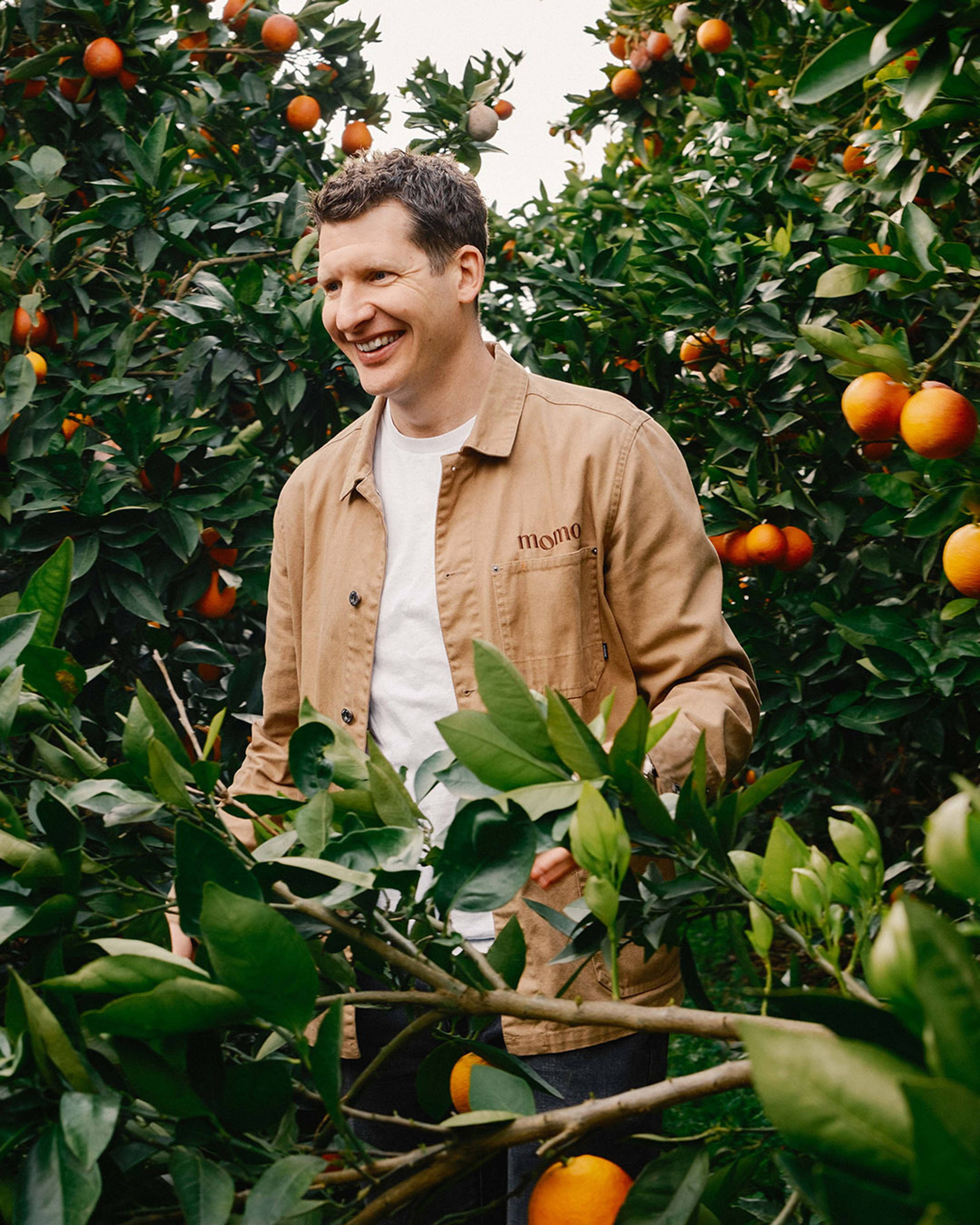
But I do have a soft spot for Blood Oranges. I ate a lot of them growing up in Italy, so they remind me of home. My kids call them ‘dragon oranges’, and they love them too.
Honestly, the box itself is my favourite. All of it.
Stories
See all
We exist to fix the food system.
People are more cut off from the origins of their food than ever. This makes flavour, nutrition and farming practices that protect the planet, almost impossible to find.
By working directly with growers, we create a more sustainable way forward for farming. By giving everyone the tools to understand the power of our food choices, we empower everybody to become drivers of change.
Now is the time for action. Join the food system revolution.

Go beyond four seasons
Each fruit and vegetable has its own season, with subtle shifts which happen every day. Follow their microseasons to unlock flavour at every stage.
WHAT’S IN SEASON?

Know where your food comes from
We know the name of the people behind everything we source. Recognise their growing artistry to find out exactly where your food comes from (and why that matters).
MEET THE GROWERS

Make your diet diverse
Our growers work with varieties chosen for quality and nutrition, not yield. By selecting their crops you keep heritage seeds in play, add to ecosystem biodiversity and preserve unique flavours.
PEAK SEASON BOX
United Kingdom
© 2026 Natoora Ltd.